What Does an Arborist Do? Tree Care Explained
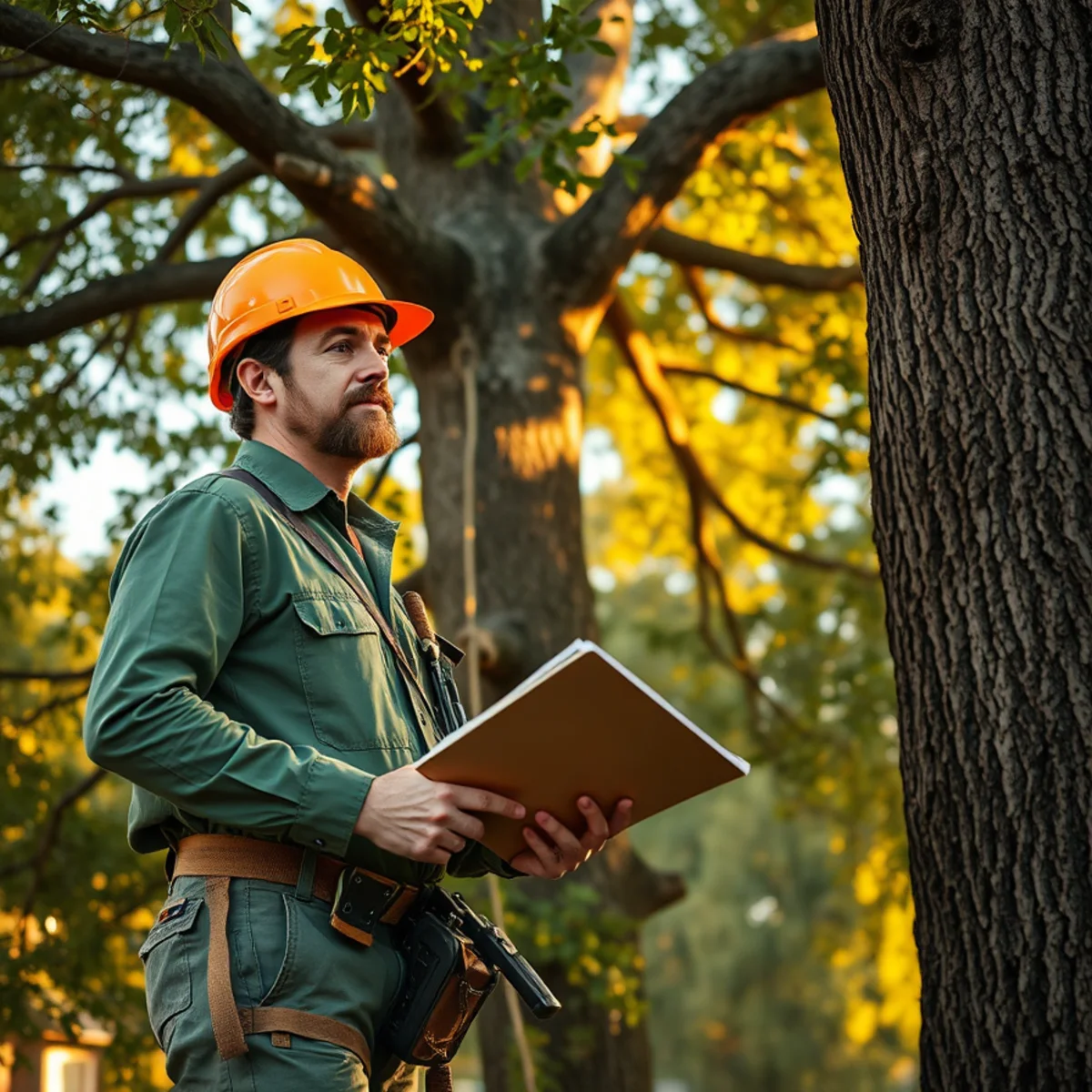
"Arborist" gets used loosely, but it has a real meaning. An arborist is a tree-care professional trained in the biology, structure, and health of trees, not just someone with a chainsaw and a truck. The difference shows up in the work: a knowledgeable arborist can spot a hazard you'd never notice, make a cut that helps a tree instead of harming it, and tell you when a tree can be saved versus when it has to come down.
If you own property anywhere in Fort Worth or the wider DFW metroplex, your trees face a specific set of stresses, expansive clay soil, drought, summer heat, spring storms, and diseases like oak wilt. Here's what an arborist actually does day to day, and why that expertise matters for the trees in your yard.
Assessing tree health and structure
Almost every job starts with an assessment. An arborist walks the property and reads each tree like a doctor reads a patient, looking at the whole picture before recommending anything. A good evaluation looks at several things at once:
- Canopy condition, including thin spots, dead branches, and discolored or undersized leaves
- The trunk and bark for cracks, cavities, oozing, fungal growth, or included bark in branch unions
- Root flare and surrounding soil, since girdling roots and compacted clay are common problems here
- Lean, weight distribution, and any branches growing toward the house, driveway, or power lines
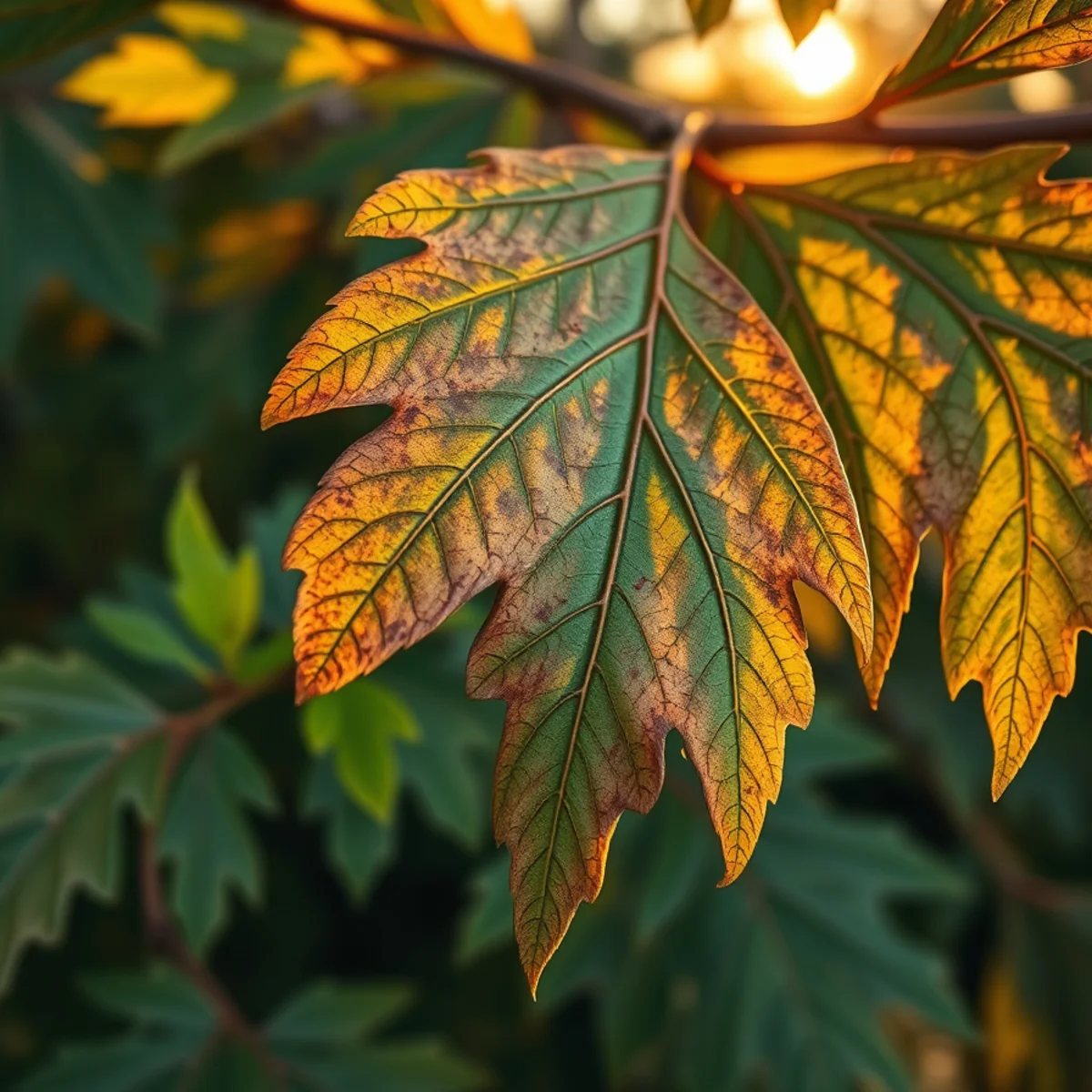
- Signs of pests, disease, or environmental stress like drought scorch or freeze damage
That last point matters in North Texas. Many trees in the area are still carrying damage from the February 2021 freeze, and drought-stressed post oaks, cedar elms, and pecans show symptoms that a trained eye separates from normal seasonal change.
Pruning with a reason, not just a saw
Anyone can cut a branch. An arborist prunes to a goal, and understands how the tree will respond. Trees compartmentalize wounds rather than heal them like skin, so where and how you cut directly affects whether a tree seals over cleanly or invites decay.
Proper pruning protects the branch collar, avoids leaving stubs, and removes only what's necessary. Common, legitimate reasons to prune include:
- Removing dead, broken, or diseased wood to reduce hazard and improve health
- Clearing branches off the roof, gutters, and structures
- Raising the canopy for clearance over driveways and walkways
- Thinning selectively to reduce wind resistance before storm season
- Training young trees with good structure early, which prevents costly problems later
It also means knowing what not to do. "Topping" a tree, cutting the main limbs back to stubs, is one of the most damaging things you can do, yet it's still common. It forces weak, fast-growing regrowth and leaves large wounds that rot. A reputable arborist will steer you away from it.
Diagnosing problems and treating disease
When a tree looks sick, the symptom is rarely the whole story. Diagnosis is where training really pays off, because the same wilting leaves can point to a dozen different causes. An arborist works backward from symptoms to a root cause, then recommends a realistic plan.
In the DFW area, a few issues come up again and again. Oak wilt is the big one. It's a lethal fungal disease that spreads through interconnected root systems and through beetles attracted to fresh wounds. Because of how it spreads, the timing of pruning is critical, which leads directly to the next point.
Why timing matters for oaks
As a general rule in North Texas, you should not prune oaks from roughly February through June, the period when the beetles that carry oak wilt are most active and the disease spreads fastest. An arborist plans oak work around this window, and paints any unavoidable fresh cuts on oaks right away. That single piece of knowledge can be the difference between a healthy tree and a neighborhood-wide infection.
Evaluating risk before something fails
A large limb or a whole tree coming down can damage a roof, a car, a fence, or worse. Risk assessment is about catching that before it happens. An arborist weighs how likely a part of the tree is to fail, and what it would hit if it did, then recommends action proportionate to the actual risk.
That assessment becomes especially important before spring storm season, when hail, straight-line winds, and saturated clay soil combine to bring down trees that looked fine the week before. A pre-season check on large trees near the house is one of the most practical things a homeowner can do.
Preserving trees, not just removing them
A common misconception is that tree services only take trees down. A genuine arborist's instinct is the opposite, to preserve a healthy, well-placed tree whenever it's reasonable to do so. Mature live oaks, bur oaks, and pecans take decades to grow and add real value and shade to a property, so removal should be the last resort, not the default.
Preservation work can include soil care, deep root watering during drought, mulching correctly, protecting roots during nearby construction, and structural pruning that keeps a tree sound for years. Removal is sometimes the right call, when a tree is dead, structurally failing, or a clear hazard, but an honest professional will tell you the difference rather than recommend removal by default.
Why expertise and the ISA matter
The phrase "certified arborist" usually refers to certification through the International Society of Arboriculture (ISA), a respected professional body in the tree-care field. ISA certification involves passing an exam covering tree biology, pruning, diagnosis, safety, and proper practices, and staying current through continuing education.
For you as a homeowner, that background signals a few practical things:
- The work follows recognized standards instead of guesswork
- Safety is taken seriously, which matters around power lines, roofs, and people
- You get straight answers about whether a tree should be treated, pruned, or removed
- Recommendations are based on tree biology, not on selling you the biggest possible job
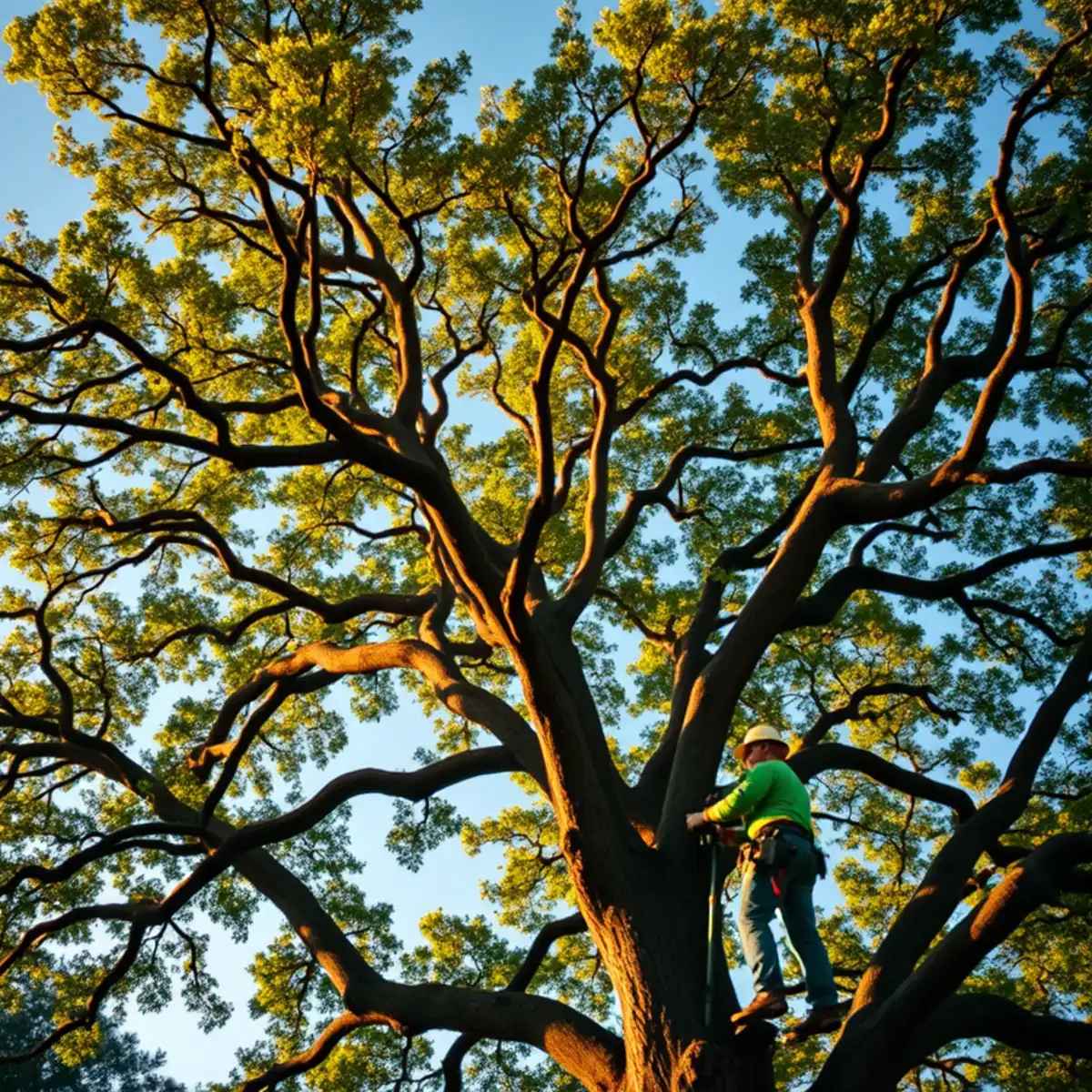
Expertise also shows up in execution, trained climbers, well-maintained equipment, and a crew that cleans up and hauls away every branch so it looks like they were never there. Knowing the right thing to do and doing it safely are two different skills, and good tree care needs both.
Get a professional look at your trees
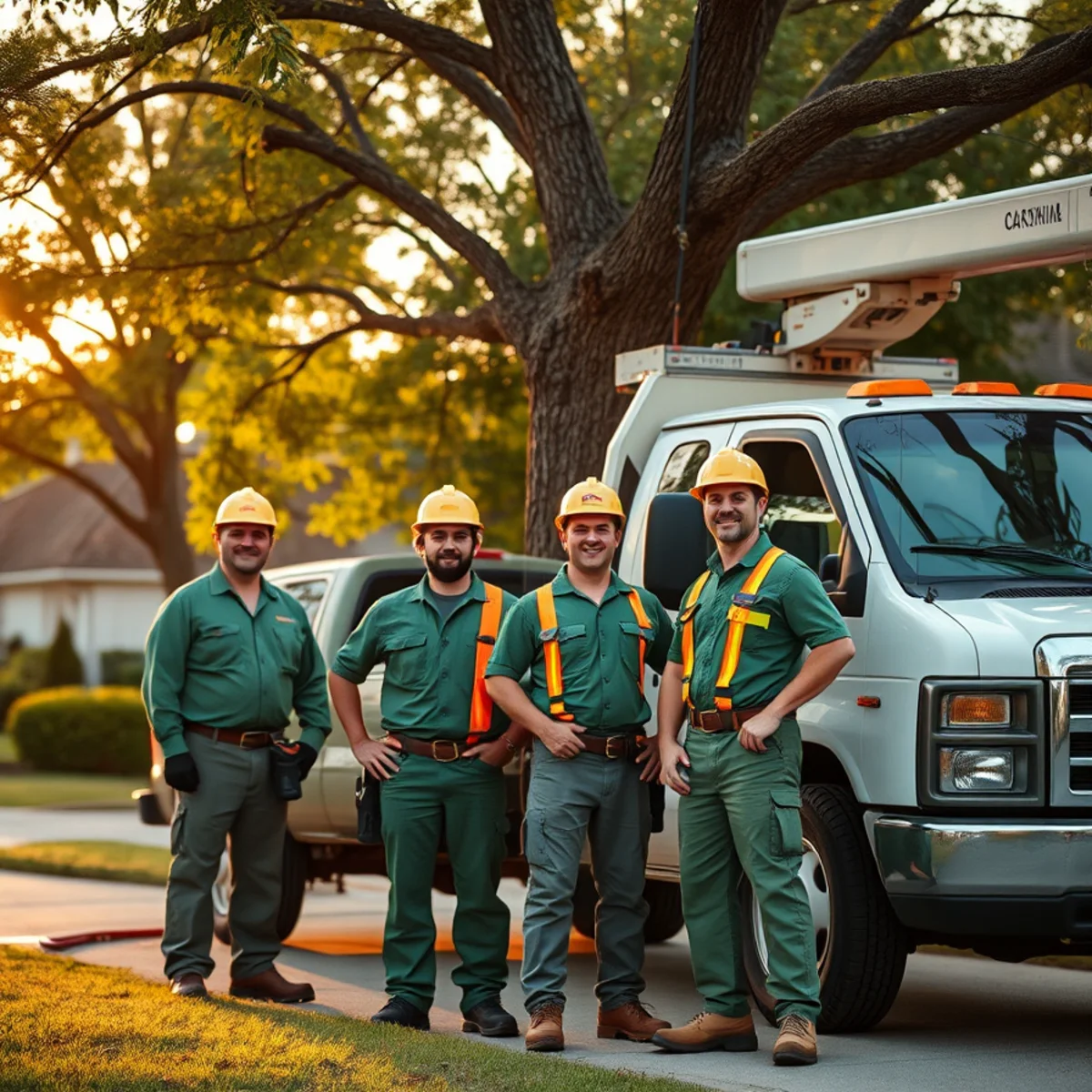
Whether you have a struggling oak, a limb leaning over the roof, or you just want to know if a tree is safe before storm season, a professional assessment takes the guesswork out of it. Sion Tree Service is a locally owned, licensed and insured tree care company serving Fort Worth and the DFW metroplex, with honest pricing where the quote is the final number and clean, complete haul-away on every job. Call us at (208) 635-2100 for a free estimate, and we'll give you a straight answer about what your trees actually need.
The paperwork side: reports, appraisals, and permits
A lot of an arborist's value never involves a chainsaw at all. When a tree becomes a question on paper, an insurance claim, a real estate deal, a dispute with a neighbor, or a city permit, someone has to put the tree's condition into writing in a way that holds up. That documentation is its own skill, and it's where the difference between a crew and a trained arborist shows most clearly.
A written arborist assessment typically records the species, size, and health of each tree, notes defects like cracks or decay, and lays out a recommendation with the reasoning behind it. Around Fort Worth and the wider DFW area, the situations that call for that kind of documentation come up more often than people expect:
- Storm and hail claims, where an insurer wants a professional opinion on whether a tree was healthy before wind or a derecho brought it down
- Real estate transactions, where a buyer wants the big live oak or pecan evaluated before closing
- City permitting, since Fort Worth requires a permit to remove many trees over a certain trunk size and treats larger significant and heritage trees more strictly
- Disputes over a shared or boundary tree, where a neutral written assessment settles the question
- Establishing a tree's appraised value, which follows recognized industry guidelines rather than a guess
You do not need a formal report for routine pruning or a clearly dead tree on a typical single-family lot. But when money, a sale, or the city is involved, having the condition documented by someone who understands tree biology protects you, and it often answers the question faster than a back-and-forth with an adjuster or an inspector ever would.
Protecting trees through a DFW construction project
With how much building, remodeling, and pool work happens across Tarrant and the surrounding counties, one of the most overlooked arborist jobs is keeping a mature tree alive through construction next to it. Most trees that die after a build don't die from a visible wound. They die slowly, over two or three years, from damage done to the roots during the work, and by the time the canopy thins it's usually too late to reverse.
The zone that matters is the critical root zone, the area of soil around the trunk where the roots that feed and anchor the tree actually live. It reaches well past the trunk, often out near the edge of the canopy or beyond. Three things inside that zone do the real harm:
- Soil compaction from trucks, skid steers, and stacked materials, which crushes the air pockets roots need to breathe, a problem made worse by our heavy Blackland clay
- Trenching for utilities, irrigation, or footings, which can sever a large share of a tree's roots in a single afternoon
- Grade changes, where even a few inches of fill or clay piled over the root zone can smother roots and slowly suffocate the tree
An arborist's role here is preventive and concrete: set protective fencing at the edge of the root zone before equipment ever arrives, keep storage and traffic out of it, and call for hand-digging or tunneling under roots instead of trenching straight through them when a line has to cross. For oaks, the work also has to respect the February-through-June caution on fresh cuts. The cheapest time to protect a tree is before the first load of gravel shows up, not after the leaves start dropping.
FAQs
An arborist is trained in tree biology, health, diagnosis, and proper pruning, not just cutting and removal. That training means better assessments, safer work, and advice aimed at the long-term health of your trees rather than just the quickest job. At Sion Tree Service we bring that knowledgeable approach to every job across Fort Worth and DFW.
As a general rule, avoid pruning oaks from about February through June, when the beetles that spread oak wilt are most active and the disease spreads fastest. If a cut is unavoidable, it should be sealed right away. We plan oak work around this window to protect your trees and your neighbors' trees.
Cost depends on factors like the number and size of trees, access, and the type of work needed, so a single flat figure isn't realistic. Sion Tree Service provides free estimates and honest, quoted-equals-final pricing, so you'll know the cost before any work begins. Call (208) 635-2100 to set one up.
It depends on the tree and the property. Fort Worth requires a permit to remove many trees above a certain trunk size, with stricter rules for large significant and heritage trees, though a single-family lot under an acre can generally remove a dead, dying, or clearly hazardous tree without one. We can tell you which category your tree falls into and help you handle the documentation if a permit is needed.
Yes. A written assessment documenting a tree's species, size, condition, and the cause of any failure is often exactly what an insurance adjuster or a home buyer is looking for. Having it come from someone trained in tree biology carries more weight than a general opinion and frequently moves the process along faster.
The key is protecting the critical root zone, the soil area around the trunk where the feeding roots live, before any equipment arrives. That means fencing it off, keeping trucks and material storage out of it, avoiding piling clay or fill over the roots, and hand-digging or tunneling for utilities instead of trenching through them. A quick assessment before the project starts is far cheaper than trying to save a declining tree afterward.