
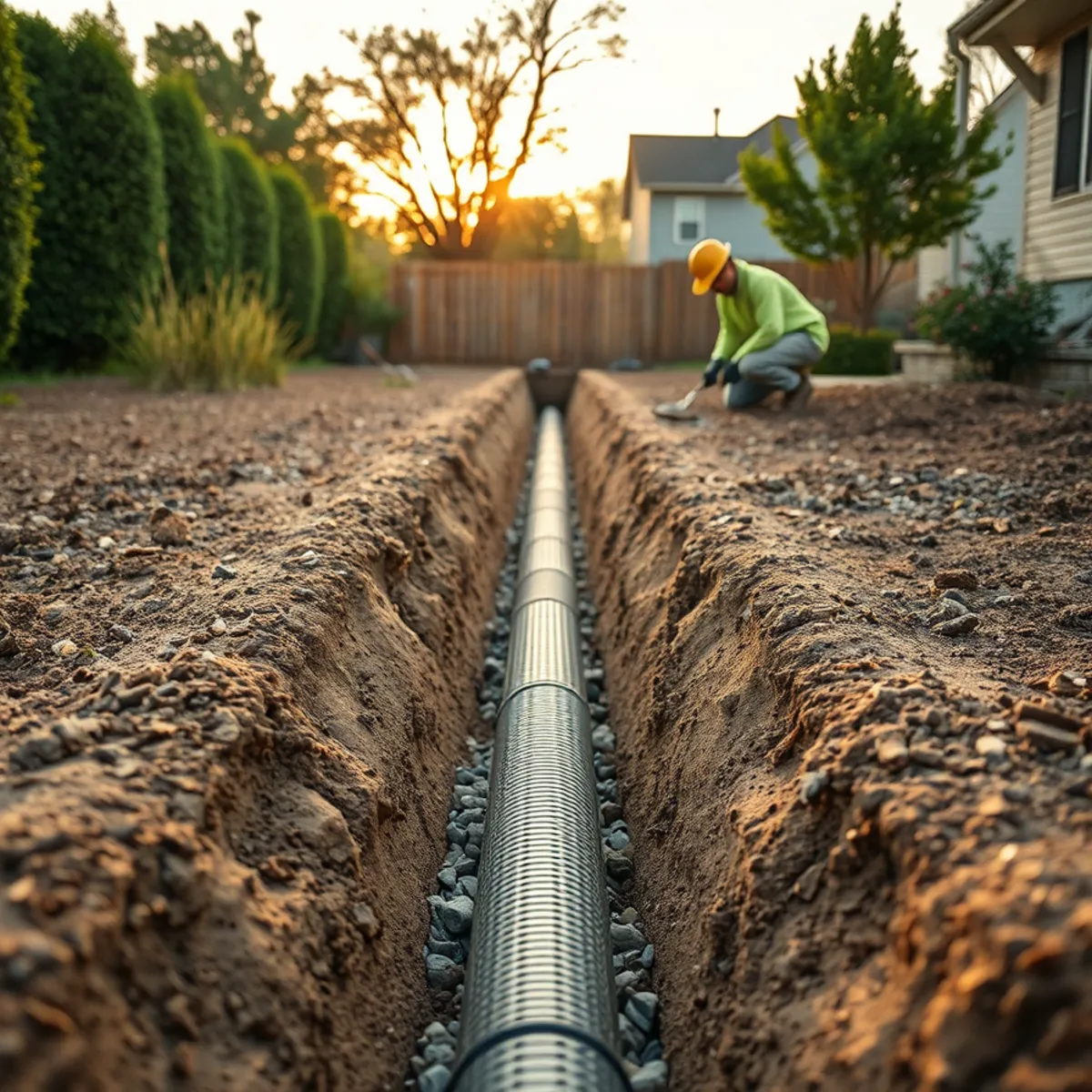
French Drain Installation in Fort Worth, TX
French Drain Installation in Fort Worth keeps water moving away from the places it does the most damage: your foundation, your flower beds, and the low spots that turn into mud after every spring storm. Sion Tree Service designs and installs gravel-and-pipe drainage systems that quietly carry runoff to a safe outlet, so your yard stays usable and your slab stays protected through North Texas rain, hail, and the long dry stretches in between.
French Drain Installation in Fort Worth keeps water moving away from the places it does the most damage: your foundation, your flower beds, and the low spots that turn into mud after every spring storm. Sion Tree Service designs and installs gravel-and-pipe drainage systems that quietly carry runoff to a safe outlet, so your yard stays usable and your slab stays protected through North Texas rain, hail, and the long dry stretches in between.
We do more than dig a trench and drop in pipe. We read how water actually moves across your lot, account for the expansive clay soil that shifts under DFW homes, and build a system with the right slope, fabric, and outlet so it keeps draining for years. Every job ends with the same clean-up we are known for, so the only thing you notice is that the water is finally gone.
What's Included
- On-site drainage assessment to find the source of standing water and map how runoff moves across your property
- Marked utility locates and a layout plan with proper slope toward a safe discharge point
- Trenching to the correct depth and grade, sized for your soil and water volume
- Non-woven filter fabric lining the trench to keep clay and silt from clogging the system
- Clean drainage gravel bedding around the pipe for maximum flow and longevity
- Perforated drain pipe set at the right pitch to carry water away from the foundation
- A proper outlet, pop-up emitter, or daylight discharge that releases water where it will not pool again
- Backfill, grading, and turf or gravel restoration so the surface looks finished, plus full haul-away of spoil and debris
- Catch basins and channel grates tied into downspouts so roof runoff feeds the drain instead of dumping against the slab
- Rigid clean-out risers at the head and turns of the run so the pipe can be flushed and camera-inspected years later without re-digging
- A documented slope check (target roughly 1 inch of fall per 10 feet) verified with a level or laser before the trench is closed
- Root deflection along the run where the line passes near established pecans, live oaks, or crepe myrtles so feeder roots do not invade the perforations
- A choice between a fabric-lined trench packed with washed stone and a separate filter, sized to your soil, rather than a cheap sock-wrapped pipe that blinds over in clay
When to Call for French Drain Installation
- Water pools in the yard or against the house and takes days to drain after a Fort Worth storm
- You see water collecting along the foundation, in a crawl space, or seeping toward the slab
- Low spots stay muddy, smell musty, or grow moss while the rest of the lawn dries out
- Downspouts and gutters dump water into beds or against the wall with nowhere to go
- Erosion, dying shrubs, or a soggy slope between your home and a neighbor's signal that runoff has no clear path
- A foundation company recommended drainage as part of a slab repair or pier job and you need the perimeter water handled before or alongside that work
- Your downspouts and gutters were recently extended but water still sheets back toward the house or pools at the corners
- A neighbor's runoff, a new patio, or a regraded lot upslope is now pushing water onto your property that was never there before
- You already have an older French drain that has stopped draining, smells, or backs up, and you suspect silt, a collapsed sock, or root intrusion
Why French Drain Installation Pays Off
Protect your foundation
Standing water against a slab is one of the worst things for expansive clay soil, which swells and shrinks as moisture changes. A French drain pulls that water away before it can push, crack, or heave your foundation.
Dry, usable yard
No more soggy turf, mosquito-breeding puddles, or muddy paths after every rain. A properly sloped drain moves water off your lawn so you can mow, play, and plant without sinking in.
Built for clay soil
DFW clay does not absorb water the way sandy soils do, so surface runoff lingers. We size the gravel, pipe, and outlet for our local soil so the system actually keeps up during heavy spring storms.
Saves your landscaping
Constant wet feet rot roots and drown shrubs, beds, and trees. Redirecting water protects your existing plantings and the new ones you want to add.
Hidden, low-maintenance system
Once it is in and backfilled, a French drain disappears under gravel or turf. With filter fabric and quality perforated pipe, it keeps working with little to no upkeep.
Honest, quoted-equals-final pricing
We walk the property, explain what your yard needs, and give you a clear number. The price we quote is the price you pay, with no surprise add-ons after we start digging.
How Our French Drain Installation Works
Free on-site estimate
We come out, walk the wet areas with you, and trace where the water comes from and where it needs to go. You get a clear, written quote and a plan before any work begins.
Layout and trenching
After utility locates are marked, we lay out the run and trench to the proper depth and slope. Getting the grade right is what makes the system drain instead of just holding water underground.
Fabric, gravel, and pipe
We line the trench with filter fabric, bed it in clean gravel, set the perforated pipe at the correct pitch, and connect it to a tested outlet that carries water safely away from your foundation.
Backfill and clean-up
We backfill, restore the surface with turf or gravel, and confirm flow. Then we haul away every bit of spoil and debris so your yard is left clean and finished.
What Drives Your French Drain Installation Cost in Fort Worth
The biggest factors are the length and depth of the drain run, how hard the clay digging is, the number of outlets, and how far water has to travel to a safe discharge point. Surface restoration, access for equipment, and tie-ins from downspouts or sump lines also affect the total. We give honest quotes after seeing your yard, and estimates are always free.
Length and depth of the run
Price scales with linear feet, and a deep foundation-perimeter trench costs far more per foot than a shallow surface drain because of the extra excavation, stone, and spoil to haul.
Clay hardness and hidden rock
Dry North Texas clay digs like concrete and limestone seams or old construction rubble can stop a trencher cold, both of which add labor and equipment time.
Distance to a legal outlet
If the only gravity-fed discharge is far from the wet area, or sits across the lot, the longer carry and added pipe raise the total.
Number of inlets and tie-ins
Connecting multiple downspouts, catch basins, or an existing sump line means more fittings, basins, and grading than a single straight run.
Surface restoration
Replacing established sod, flower beds, decorative gravel, or hardscape over the trench costs more than restoring plain turf.
Site access for equipment
A narrow gate, fence, or tight side yard that forces hand-digging instead of a compact loader or trencher increases the labor on the job.
The local details most companies skip — what every Fort Worth homeowner should understand about french drain installation before the work begins.
Why Expansive Clay Soil Makes Drainage a Foundation Issue in Fort Worth
The Blackland and clay soils under much of Tarrant, Parker, and Johnson County behave like a sponge with a temper. After a spring storm they swell and hold water for days, then in the August drought they shrink and pull back from the slab, leaving gaps. That constant swell-and-shrink cycle, driven by where water collects, is what cracks slabs, sticks doors, and separates brick, which is why drainage and foundation health are the same conversation here.
Surface water versus subsurface moisture
There are two problems to solve, and they call for different drains. Surface ponding ruins turf and breeds mosquitoes, while subsurface moisture migrating under the foundation is the quiet one that moves your slab. A shallow drain dries the lawn; a deeper perimeter drain intercepts the water heading for the foundation before it gets there.
- Doors and windows that stick in one season and swing free in another often track soil moisture, not the door
- Diagonal cracks from window and door corners can follow seasonal wet-dry swings in the clay
- A musty smell or efflorescence at the base of a wall points to moisture sitting against the structure
- Beds and turf that stay soggy on one side of the house concentrate water exactly where you least want it
Because we work on these lots as tree and landscape crews, we read how water actually crosses your property, including how mature roots and old beds channel it, instead of dropping a generic trench and hoping.
How a French Drain Is Built to Last in North Texas Soil (and How They Fail)
Most failed French drains we are called to replace did not wear out, they were built wrong for clay. The pipe-sock that gets wrapped on at the big-box store is the usual culprit: in silty clay the fabric sits on the holes, fines blind it over, and within a couple of seasons the line stores water instead of moving it. A trench lined with non-woven fabric and packed with washed angular stone gives the water far more surface to enter and lasts for decades.
The details that separate a 20-year drain from a 2-year one
- Non-woven geotextile lining the whole trench, never a woven weed barrier that sheds water
- Washed, angular drainage stone around the pipe instead of fines or pea gravel that pack tight
- Verified slope of roughly an inch of fall per ten feet so gravity, not luck, moves the water
- Clean-out risers at the head and turns so the pipe can be flushed and camera-checked later
- An outlet that daylights or pops up at a point lower than the rest of the run
Roots are the other silent killer
A French drain is dark, damp, and full of air, which is exactly what a thirsty root wants in a dry Texas summer. Pecans, live oaks, willows, and even some shrubs send feeders straight into the gravel and perforations. As arborists we know which species near the run are a threat and deflect roots before they invade, something a drainage-only crew rarely considers. We also keep the line clear of structural roots so the drain does not become a reason to harm a tree you want to keep.
Permits, Legal Discharge, and Hiring a Drainage Contractor in Fort Worth
Where your water ends up is not just an engineering question, it is a legal one. Concentrating runoff and sending it onto a neighbor's lot can create real liability in Texas, and tying into a public curb, inlet, or anything in a floodplain can require approval from the City of Fort Worth Development Services Department. We plan a legal, gravity-fed outlet first, then design the rest of the system back from it.
How to vet any drainage or tree company before you dig
- Confirm the company is licensed and insured and ask to see the certificate before work begins, not after
- Get the discharge point and slope in writing so you know the water has a legal place to go
- Make sure utility locates are called in before any trenching near gas, electric, or irrigation lines
- Ask whether they install clean-outs and use non-woven fabric, two answers that separate pros from price-cutters
- Read recent local reviews, since a crew that returns calls and stands behind the grade is worth more than the cheapest bid
Sion Tree Service is a locally owned, licensed and insured crew led by Edgar, backed by 146 real Google reviews and a roughly 4.9-star rating across the DFW metroplex. We give free on-site estimates, quote the whole job up front, and finish with the immaculate cleanup and full haul-away we are known for, so the only change you notice is that the standing water is gone.
Smart Homeowner Tips Before You Hire Anyone
A few habits that protect your wallet, your property, and your insurance claim — whether you hire us or not.
Insist on non-woven filter fabric lining the trench, not a woven weed-barrier and not a sock sitting on the pipe holes, because in clay a sock blinds over and the drain quits.
Ask any contractor to show you the planned outlet and confirm it is lower than the rest of the run, since a drain with no daylight or gravity fall just stores water underground.
Require clean-out risers at the start and at every turn so the line can be flushed or camera-inspected later without tearing the yard apart again.
Get the discharge point in writing, because draining onto a neighbor's lot or an unapproved curb tie-in can put the liability on you, not the installer.
Have the crew bed the perforated pipe in washed, angular drainage stone rather than fines or pea gravel that pack tight and choke flow in our heavy soil.
Verify your contractor is licensed and insured and ask for the certificate before digging, the same way you would vet any company working around your foundation.
French Drain Installation Across Fort Worth & DFW
Serving Fort Worth and the surrounding Dallas–Fort Worth metroplex, seven days a week.
Fort Worth neighborhoods we work in often:
Trusted by Local Homeowners
“Sion Tree Service did an outstanding job trimming the trees at my home. The crew of 6 came in and quickly removed all the dead limbs and trees that needed to come out. Their cleanup was amazing! Highly recommend them!”
“Very fast work, arrived right on time, workers very professional and cleaned up before leaving. The price was what was quoted. I'd recommend them to anyone needing tree trimming. I'll be using them again!”
“Great communication and super responsive. Squeezed me in the next day and did an awesome job removing and grinding a large tree that had fallen in a storm. Have used them twice with great service both times.”
French Drain Installation FAQs
If water stands in your yard for hours or days after rain, pools against the foundation, or keeps low spots muddy while the rest dries out, a French drain is usually the fix. We come out, find the source, and tell you honestly whether a drain, regrading, or a downspout extension is the right call. The estimate is free either way.
Much of DFW sits on expansive clay soil that swells when wet and shrinks when dry, which puts stress on foundations and can crack slabs. Clay also drains slowly, so surface water lingers instead of soaking in. Moving that water away with a properly sloped French drain helps keep soil moisture more stable around your home.
It needs a safe outlet, lower than the rest of the run, so it keeps flowing by gravity. Depending on your lot, that may be a pop-up emitter in the yard, a daylight discharge on a slope, or a tie-in to existing drainage. We plan the outlet so water releases where it will not pool again or run onto a neighbor's property.
There is trenching involved, but we keep the footprint as tight as the job allows and restore the surface with turf or gravel when we finish. Our crews are known for immaculate clean-up and full haul-away, so when we leave it looks like we were never there, just without the standing water.
Most residential systems are completed in one to two days, depending on the length of the run, how hard the clay is, and how many outlets are needed. We give you a realistic timeline with your free estimate so you know what to expect before we start.
A simple yard drain that discharges on your own property usually does not require a permit, but anything tied into the public storm system, a curb, or located in a floodplain can. The City of Fort Worth Development Services Department (817-392-2222) is the authority on your specific lot, and we factor any required locates or approvals into the plan before we dig. We never connect to a public inlet or alter a drainage easement without confirming it is allowed.
No. Concentrating runoff and pushing it onto an adjacent lot can create real civil liability in Texas, even if the low point naturally sits that direction. We design the outlet to release water at your property's own discharge point, a drainage easement, or a curb where permitted, so you stay clear of disputes. Part of our on-site assessment is finding a legal, gravity-fed place for the water to go.
The two most common killers in North Texas clay are fine silt blinding off a sock-wrapped pipe and tree roots growing into the perforations. We avoid the cheap sock, line the trench with non-woven filter fabric, bed the pipe in washed stone, and add clean-outs so the system can be flushed. Where the run passes near mature trees we deflect roots, because we are arborists and know which species send feeders toward damp gravel.
Local drainage runs commonly fall in a per-linear-foot range, with shallow surface drains at the lower end and deep foundation-perimeter drains costing more because the trench is harder and the spoil greater. Hard clay digging, long carries to a legal outlet, rock, tie-ins to downspouts, and turf restoration all move the number. We quote the whole job after walking your lot, and the price we quote is the price you pay.
A shallow drain, usually under a foot deep, is meant to dry out a soggy flat lawn or low spot quickly so the turf is usable again. A deeper perimeter drain intercepts subsurface moisture before it reaches the slab, which matters most on expansive clay that swells and shrinks against the foundation. Many DFW homes need one, the other, or both, and we tell you honestly which your situation calls for.
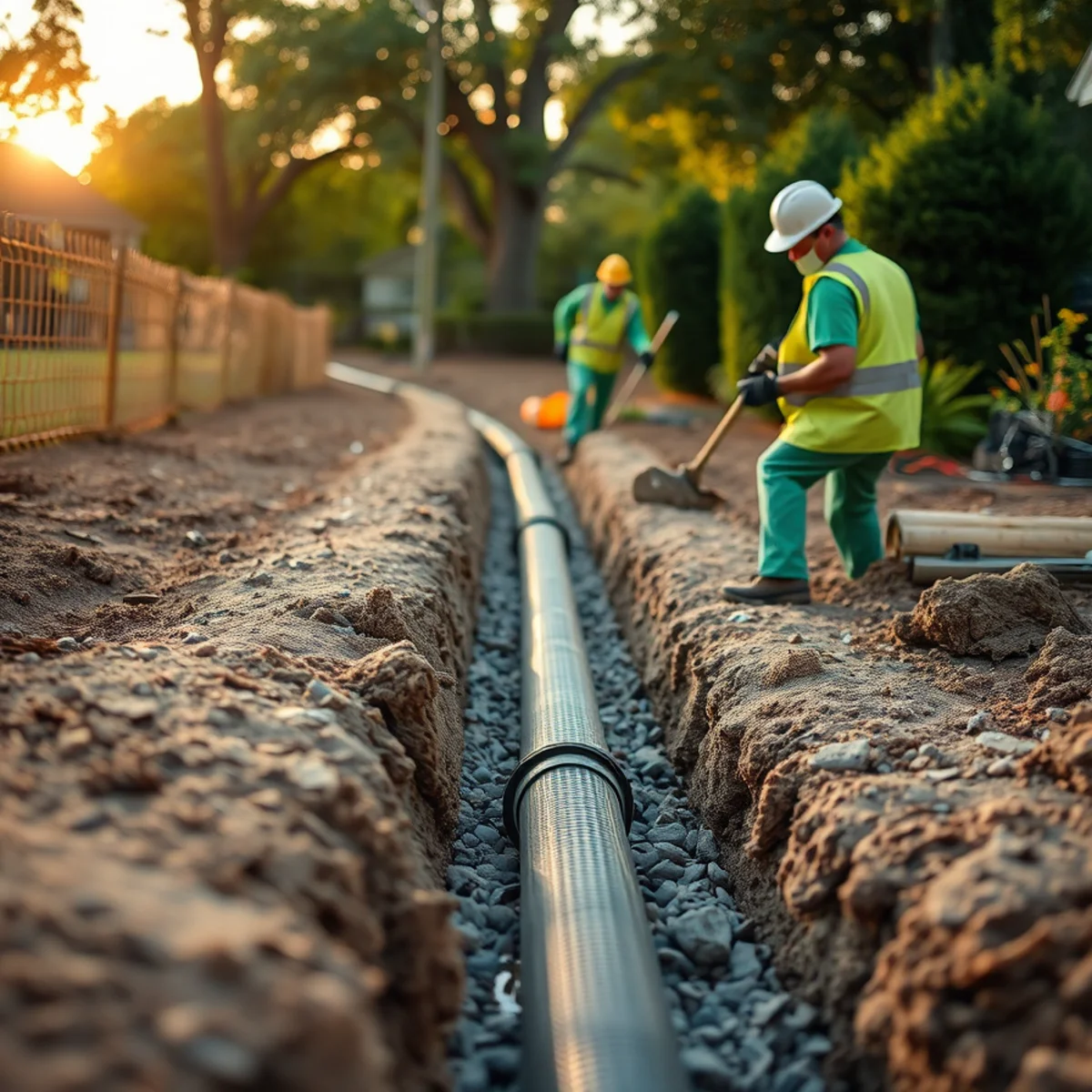
Related Tree & Yard Services
Ready for French Drain Installation in Fort Worth?
Call Sion Tree Service for french drain installation done safely, affordably, and cleanly — with a free, no-obligation estimate.
Open daily 6 AM–7 PM · Serving Fort Worth & the DFW metroplex