Oak Wilt in North Texas: Identification and Treatment
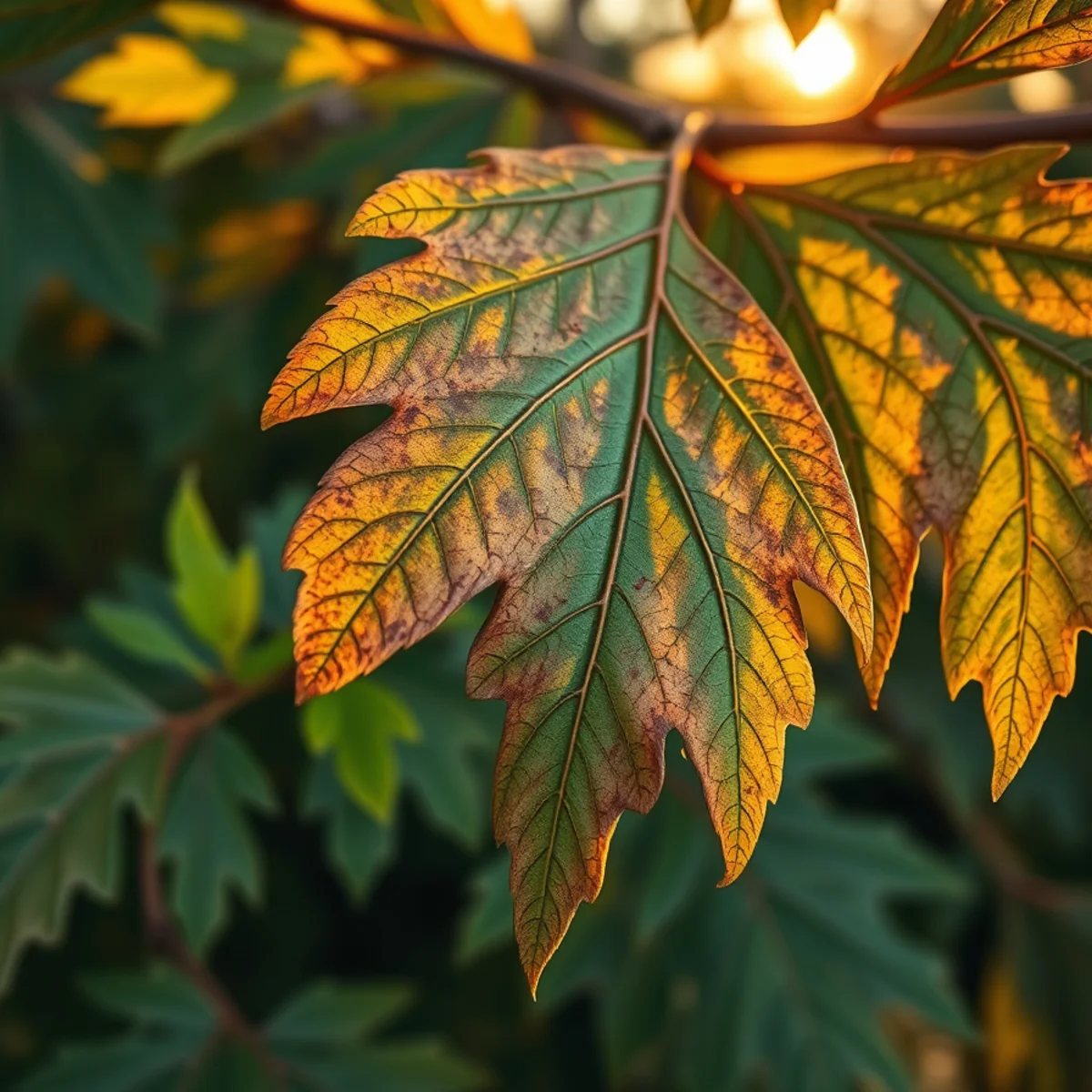
Oak wilt is one of the most destructive tree diseases in North Texas, and it hits our region especially hard because live oaks and red oaks dominate so many DFW landscapes. Caused by a fungus called Bretziella fagacearum, the disease clogs the water-conducting tissue inside an oak, slowly starving the canopy of moisture. Once it takes hold in a stand of trees, it can move from one oak to the next through the soil, taking out entire pockets of a neighborhood over a few seasons.
The good news is that informed homeowners can do a lot to protect their oaks. Early identification, careful pruning habits, and timely professional treatment all make a real difference. Below we walk through what oak wilt looks like, how it spreads through Fort Worth and the surrounding DFW area, and the steps you can take to give your trees the best possible chance.
What Oak Wilt Is and Why It Matters
Oak wilt is a vascular disease. The fungus invades the xylem, the network of tiny tubes that carry water from the roots up into the leaves. In response, the tree tries to wall off the infection, but in doing so it blocks its own plumbing. The result is wilting, browning, and rapid canopy decline. Live oaks and red oaks are the two groups that matter most here, and they respond very differently, which is why correct identification is so important before any treatment decision is made.
How to Identify the Symptoms
Symptoms vary by oak type, and recognizing the pattern early can be the difference between saving a tree and losing a whole group of them. On live oaks, the classic sign is veinal necrosis, where the veins of a leaf turn yellow and then brown while parts of the leaf stay green. Affected live oaks often drop large amounts of leaves out of season and decline gradually over several months. Red oaks tend to go fast, wilting and browning from the top down, sometimes in just a few weeks during the heat of summer.
One feature unique to red oaks is the fungal mat. Under the bark of a recently killed red oak, the fungus can form a spore-producing pad that pushes the bark outward, sometimes cracking it open and giving off a sweet, fermented odor. These mats are how the disease produces the spores that attract insects and start new infection centers, which is why dead red oaks need to be handled with real care.
- Live oaks: yellow to brown veins on leaves while surrounding tissue stays green (veinal necrosis)
- Live oaks: heavy off-season leaf drop and gradual thinning of the canopy
- Red oaks: rapid wilting and browning from the top of the tree downward
- Red oaks: fungal mats under the bark with a sweet, fermented smell
- Either type: sudden decline that spreads outward to neighboring oaks over time
How Oak Wilt Spreads in DFW
There are two main ways the disease moves, and both are common in North Texas. The first is overland, by insects. Small sap-feeding beetles are drawn to the fungal mats on dead red oaks, pick up spores, and then fly to fresh wounds on healthy oaks, such as recent pruning cuts or storm damage. The second, and the most aggressive in our area, is underground through interconnected root systems. Live oaks in particular grow in clusters whose roots naturally fuse together, forming root grafts. Once one tree in that network is infected, the fungus can travel root to root and kill tree after tree along the chain.
Firewood is a third, often overlooked, pathway. Logs cut from an infected red oak can carry live fungal mats, so moving or storing untreated oak firewood from a diseased tree can introduce the disease to a new property. Because so many DFW yards are planted with the same live oak and red oak species, often in tight rows or shared property lines, the conditions for spread are everywhere once an infection center appears.
Prevention: Your Best Defense
Prevention is far more reliable than any cure, and most of it comes down to timing and good wound care. The single most important rule is to avoid pruning oaks during the high-risk window from February through June, when the sap beetles are most active and fresh fungal mats are most common. If a storm breaks a limb during that period and you must cut, the wound should be sealed right away.
- Avoid pruning or cutting oaks from February through June whenever possible
- Paint every oak wound and pruning cut immediately, within minutes, with wound dressing or latex paint
- Disinfect pruning tools between trees with rubbing alcohol or a bleach solution
- Do not move or store firewood from oaks that died of unknown causes; cover or burn suspect wood
- Plant a diversity of species rather than rows of identical oaks to limit root-graft spread
- Schedule any necessary oak work for the cooler, lower-risk months of the year
Oak Wilt Treatment Options
Once oak wilt is confirmed, treatment focuses on stopping spread and protecting the trees that can still be saved. There is no simple spray that cures an infected oak, and no responsible arborist will promise a guaranteed cure. Instead, effective oak wilt treatment usually combines two approaches. The first is trenching, where a machine cuts a deep trench, often four feet or more, around the infection center to sever the root grafts and stop the fungus from traveling underground to healthy oaks nearby.
The second is fungicide injection. A professional can inject propiconazole directly into the vascular system of high-value, not-yet-severely-affected oaks. This treatment can slow or suppress symptoms in live oaks and is often used as a preventive measure for healthy trees near an active infection center. Injections require proper diagnosis, the right dosage, and clean technique, so they should always be performed by a trained, licensed professional rather than attempted with over-the-counter products. Removing and properly disposing of dead red oaks, especially those forming fungal mats, is also part of a complete plan.
When to Call a Professional
If you see veinal necrosis, sudden canopy browning, off-season leaf drop, or several oaks declining in the same area, it is time to bring in an expert. Oak wilt looks similar to drought stress, root damage, and other diseases, so an accurate diagnosis matters before you spend money on treatment or remove a tree. A professional can confirm the problem, map out where the disease is heading, and recommend the right mix of trenching, injections, and removals for your property.
Sion Tree Service is a licensed and insured, family-run tree care company based in Fort Worth and serving the entire DFW area, open daily from 6 AM to 7 PM. Owner Edgar and our team can assess your oaks, explain your options in plain language, and help you protect the trees that give your yard its character. If you are worried about oak wilt or just want a healthy-tree check-up, contact us for a free estimate and let us take a careful look before the problem spreads.
Ruling Out the Look-Alikes Before You Treat
Plenty of struggling oaks in Fort Worth get pinned on oak wilt when something else is the real culprit. In our Blackland and cross-timbers soils, drought scorch, root suffocation from over-mulching or new construction grade changes, herbicide drift off the lawn, and hypoxylon canker all mimic the browning and dieback people associate with the disease. Hypoxylon is the sneakiest one here because it also kills from the top down, but it is an opportunist that colonizes oaks already weakened by drought or root damage rather than a pathogen that jumps from tree to tree. Its telltale sign is a silver-gray to brown crusty fungal layer that sloughs off the bark, which is a very different thing from the spore mats that form under the bark of an oak-wilt-killed red oak.
The pattern across a yard is the best free clue. Oak wilt tends to radiate outward through a connected group of the same species, so a widening pocket of declining live oaks along a shared property line points one direction, while a single isolated tree failing after a hot dry summer points another. When the stakes are high, a lab isolation settles it. A certified arborist pulls sapwood from the transition zone between living and dying tissue, ships it cold to a plant diagnostic lab, and waits two to three weeks for the fungus to grow out in culture.
- Oak wilt: veinal necrosis on live oaks, fungal mats under red oak bark, and spread to neighboring same-species oaks over time
- Hypoxylon canker: gray-brown crusty bark layer that flakes off, almost always on trees already stressed by drought or root injury
- Drought and root stress: uniform marginal leaf scorch, often tied to recent construction, trenching for utilities, or a grade change over the roots
- Herbicide injury: twisted, cupped, or strap-shaped new growth, frequently on the lawn-facing side of the canopy
- Why it matters: trenching and propiconazole injections are expensive and pointless if the problem is not actually oak wilt
Replanting After Oak Wilt in a North Texas Yard
One of the most common worries we hear after a removal is that the ground itself is now poisoned. It is not. The oak wilt fungus needs living oak tissue to survive and does not linger in the soil waiting to infect whatever you plant next, so there is no mandatory dead zone or waiting period before you put a new tree in the same hole. The only ongoing risk to a replanted oak is fresh insect-carried spread from an active infection center still nearby, which is why timing any new oak wounds away from the February-through-June window still matters even on young replacements.
That said, replanting the exact same live oaks back into a tight row recreates the root-graft setup that let the disease spread in the first place. The smarter move for DFW yards is to break up the monoculture and lean on species that are either resistant or simply not oaks. Bur oak, chinkapin oak, and other white-oak-group trees shrug off the fungus far better than live oaks and red oaks, and several non-oak natives thrive in our clay and heat without inviting the problem back.
- Resistant oaks for the white-oak group: bur oak and chinkapin oak handle the fungus and our clay soils well
- Tough non-oak natives: cedar elm, Chinese pistache, Mexican white oak alternatives, bald cypress, and crepe myrtle all do well across Tarrant and Parker counties
- Space new oaks farther apart so their roots do not fuse into a single connected network
- Keep new plantings watered through their first North Texas summers, since drought-stressed trees are the ones that fall to secondary problems like hypoxylon
- Have any nearby surviving oaks evaluated before you replant, so you know whether an active center is still feeding spores into the area
FAQs
There is no guaranteed cure for an infected oak. Treatment focuses on slowing the disease and protecting nearby trees through trenching to sever root grafts and professional propiconazole injections. Live oaks injected early have the best odds, while severely affected red oaks usually cannot be saved.
Avoid pruning oaks from February through June, when sap beetles are most active and the risk of spreading oak wilt is highest. The safest time is during the cooler months. Whenever you do cut an oak, including emergency storm cuts, paint the wound immediately to seal it.
It varies. Through interconnected live oak root systems the fungus can move steadily from tree to tree over months to a couple of years, killing oaks in an expanding pocket. Red oaks often die within weeks of showing symptoms. Because spread is hard to reverse, early diagnosis and prompt action are key.
Look at the pattern: oak wilt usually spreads outward through a group of same-species oaks, while drought scorch and hypoxylon canker tend to hit isolated, already-stressed trees. Hypoxylon leaves a gray-brown crusty layer that flakes off the bark, which oak wilt does not. For certainty, an arborist can collect a sapwood sample for a lab to culture, with results in about two to three weeks.
Yes. The fungus needs living oak tissue and does not survive in the soil after the tree dies, so there is no required waiting period and the ground is not contaminated. The only real risk is insect spread from an active infection center still in the area, so it is worth having nearby oaks checked first.
Favor diversity and resistant species. Bur oak and chinkapin oak resist the fungus, and non-oak natives like cedar elm, Chinese pistache, bald cypress, and crepe myrtle thrive in our clay soil and heat. Spacing trees farther apart also keeps their roots from fusing into the connected network that lets oak wilt spread.