
Tree Trimming in Fort Worth, TX
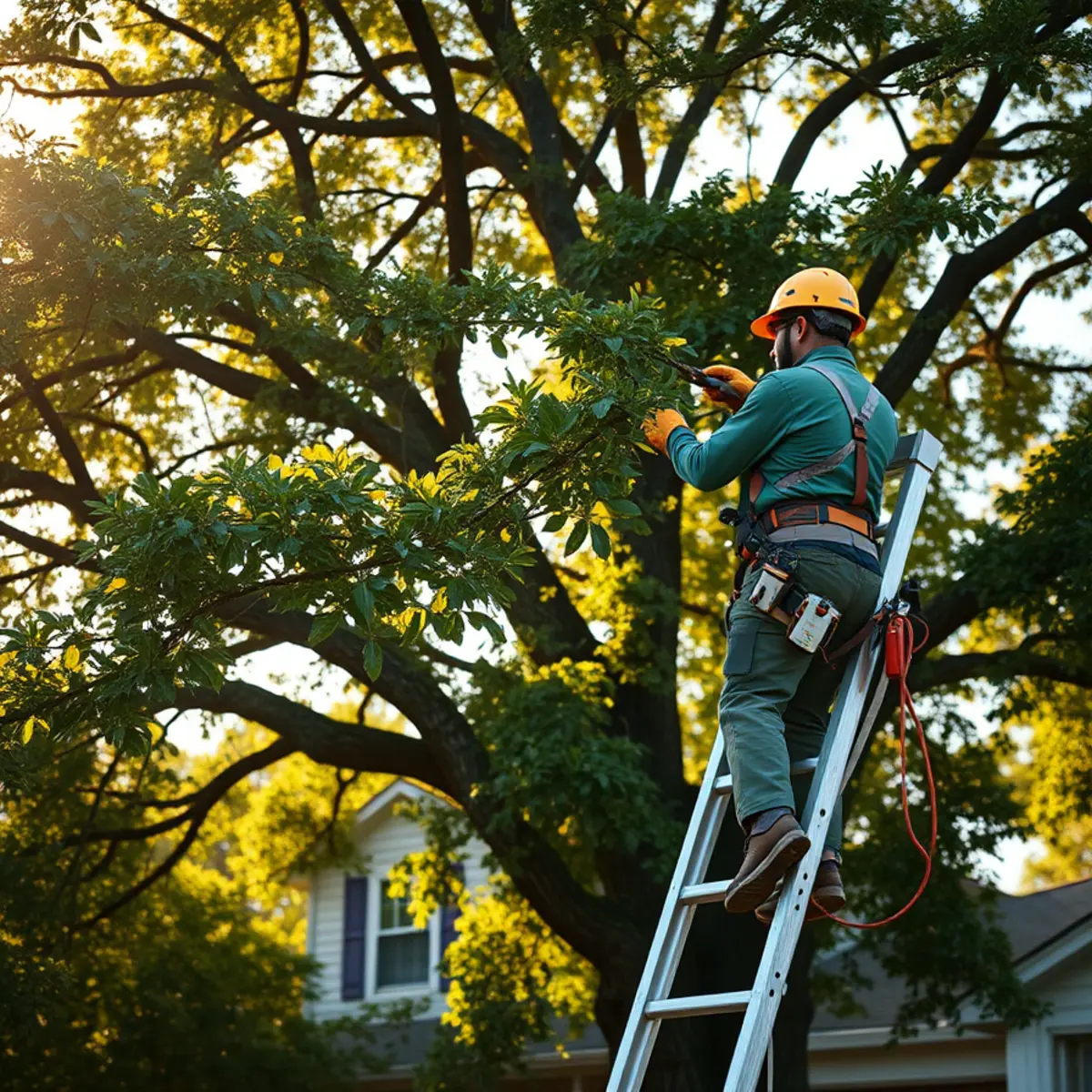
Tree trimming in Fort Worth keeps your trees healthy, safe, and looking their best, and it is one of the most requested services we handle across the DFW metroplex. At Sion Tree Service, our trained climbers shape post oak, live oak, cedar elm, pecan, and crepe myrtle the right way, removing only what should come off so each tree responds with stronger, healthier growth.
Tree trimming in Fort Worth keeps your trees healthy, safe, and looking their best, and it is one of the most requested services we handle across the DFW metroplex. At Sion Tree Service, our trained climbers shape post oak, live oak, cedar elm, pecan, and crepe myrtle the right way, removing only what should come off so each tree responds with stronger, healthier growth.
Done well, trimming is part art and part science. We open up dense canopies, lift low branches off roofs and driveways, clear deadwood, and reshape storm-damaged limbs, all while making proper cuts that protect the tree's long-term structure. When we are finished, every chip and limb is hauled away and the site is left immaculate, like we were never there.
What's Included
- Crown thinning to improve airflow, light penetration, and reduce wind load
- Crown raising to lift low limbs off roofs, driveways, walkways, and lawns
- Crown reduction to bring oversized or overextended canopies back into balance
- Deadwood removal to clear dead, dying, and hazardous limbs from the canopy
- Clearance pruning away from roofs, fences, power-line approaches, and structures
- Structural shaping and selective thinning to guide young trees and correct form
- Storm-prep thinning to reduce breakage risk before spring wind and hail season
- Full cleanup and haul-away of all limbs, brush, and chips when the job is done
- Subordination pruning of co-dominant leaders and included-bark unions to head off future splits on young live oaks, cedar elms, and Bradford pears
- Selective end-weight reduction on long, overextended lateral limbs to ease leverage over driveways, pools, and rooflines without lion-tailing the branch
- Vista and sightline pruning to open a view or clear stop-sign and security-light visibility while keeping the canopy balanced
- Wound dressing applied immediately to every fresh oak cut during oak-wilt season as a precaution, per Texas A&M Forest Service guidance
- On-site debris chipping and clearing of brush away from fence lines and AC condensers so cleanup does not leave fuel against the structure
When to Call for Tree Trimming
- Branches are touching or hanging over your roof, gutters, or driveway
- The canopy is so dense that little light or air reaches the interior
- You see dead, broken, or hanging limbs after a storm or high winds
- Limbs are crowding power-line approaches, fences, or the corner of the house
- Your tree looks lopsided, overgrown, or has not been pruned in several years
- You are buying or selling a DFW home and the inspection flagged limbs over the roof or a leaning, codominant trunk
- A neighbor's limbs or your own are encroaching across a property line and you want them cut cleanly back to the line, not torn
- An Oncor crew did a rough utility clearance and left your tree lopsided or with stubbed, ripped cuts that need correcting
- You planted young post oaks, live oaks, or red oaks in the last few years and want structural training before bad form sets in
Why Tree Trimming Pays Off
Healthier, stronger trees
Selective trimming removes dead, weak, and crossing limbs so your tree puts energy into healthy growth. Better airflow and light through the canopy also reduce fungal problems common in North Texas humidity.
Improved curb appeal
Balanced, well-shaped trees frame your home and lift the look of the whole property. Thoughtful shaping keeps your live oaks and crepe myrtles full and natural, never butchered or topped.
Storm and safety protection
Thinning dense canopies and removing deadwood lowers the wind load that snaps limbs during spring storms. Fewer hanging or weak branches means less risk to your roof, vehicles, and family.
Clearance where you need it
We lift and trim branches back from roofs, fences, driveways, and power-line approaches so structures stay protected and pathways stay clear. Proper clearance also slows roof and gutter damage from rubbing limbs.
Better fruit and flowering
Crepe myrtles, pecans, and fruit trees produce more reliably when light reaches the interior canopy. Correct pruning encourages blooms and fruit instead of leggy, shaded growth.
Honest, tidy service
You get a clear quote up front, and the price we quote is the price you pay. We clean up and haul away every branch and chip so your yard looks better the day we leave than the day we arrived.
How Our Tree Trimming Works
Free on-site estimate
We walk your property, assess each tree's health and structure, and listen to your goals. You get a clear, written quote with no pressure and no surprise add-ons.
Plan and schedule
We agree on exactly what will be trimmed and how, then book a time that works for you. For oaks, we time the work to protect against oak wilt and avoid risky pruning windows.
Careful, skilled trimming
Our climbers make proper cuts that support the tree's long-term health, removing only what should come off. We protect your lawn, beds, and structures throughout the job.
Cleanup and walkthrough
We haul away every limb and chip, rake the area, and leave the site spotless. Before we go, we walk it with you to make sure you are completely satisfied.
What Drives Your Tree Trimming Cost in Fort Worth
The price of tree trimming depends on the size and species of the tree, how much canopy work is needed, how easy the tree is to access, and proximity to structures or power lines. A large live oak with heavy deadwood naturally takes more time than shaping a young crepe myrtle. We give honest, all-in quotes after seeing the tree in person, and estimates are always free.
Tree size and DBH
Trunk diameter at breast height and overall height drive the rigging, climb time, and crew size needed. A mature bur oak or pecan is a multi-hour job next to a quick crepe myrtle shaping.
Canopy condition and scope
A light clearance trim costs far less than a full crown clean, deadwood removal, and reduction on a tree neglected for years. The more selective cuts required, the more skilled time the job takes.
Access and drop zone
A tree in an open front yard prunes faster than one boxed in by a pool, fence, shed, or tight side yard where every limb must be roped down piece by piece. Limited access adds rigging time.
Proximity to structures and Oncor lines
Branches hanging over a roof or near energized lines call for careful lowering instead of free dropping, which is slower and demands a more experienced climber. That precision raises the price.
Oak-wilt-safe timing
Oak work scheduled in the safe dormant window can be planned efficiently, while an emergency oak cut during the February-to-June risk period requires immediate wound sealing and added caution.
Debris volume and haul-away
A heavy reduction generates far more brush and chips to chip, load, and haul than a light thinning. Total green-waste volume and how far it must be carried to the truck factor into the quote.
The local details most companies skip — what every Fort Worth homeowner should understand about tree trimming before the work begins.
ANSI A300 Pruning Standards: What a Correct Cut Looks Like in Fort Worth
ANSI A300 is the national standard that defines how professional pruning should be done, and it is the difference between a trim that strengthens your tree and one that slowly kills it. In plain terms, the standard says cuts are made just outside the branch collar (the swollen ring where a limb meets the trunk), never flush to the bark and never leaving a long stub. That collar holds the tree's natural defense chemistry, so a clean cut just past it lets the wound seal over instead of rotting inward.
The same standard sets the dose. On a healthy, established tree, a single pruning should remove no more than about a quarter of the live crown, and a mature post oak or live oak should get considerably less. Across DFW we see trees ruined not by neglect but by over-trimming, where a crew strips so much foliage that the bark sunburns in the Texas heat and the tree answers with a thicket of weak watersprouts the next spring.
The bad practices to refuse
- Topping: cutting big limbs back to blunt stubs, which forces weak, fast regrowth and opens the trunk to decay.
- Lion-tailing: gutting a limb's interior and leaving only a tuft of leaves at the tip, which throws all the weight to the end and makes the branch far more likely to snap in a storm.
- Flush cuts: slicing into the branch collar, which removes the tissue the tree needs to seal the wound.
- Over-thinning: taking too much canopy at once, starving the tree and exposing bark to sun scald.
A crew that prunes to A300 works to a written objective (thin, raise, reduce, or clear) and removes only what serves that goal. That is the standard our climbers hold to on every cut.
Oak-Wilt Timing, Wound Paint, and Fort Worth Tree Rules
North Texas sits in oak-wilt country, and the fungus spreads fastest when sap-feeding beetles are active. The Texas A&M Forest Service and local groups urge homeowners to avoid pruning oaks from February 1 through June 30. Fresh cuts in that window are an open invitation; a wound made in the dormant months of mid-summer through winter is far safer. Live oaks and red oaks are the most vulnerable, and oak wilt can move tree to tree through grafted roots, so one careless cut can put a whole street's oaks at risk.
How we protect your oaks
- Schedule oak pruning in the safe window, roughly July through January, whenever the work is not an emergency.
- Paint every fresh oak cut immediately during the risk period, per Texas A&M Forest Service guidance, since any wound dressing applied right away helps block infection.
- Disinfect saws between trees when working in an area with known oak wilt to avoid carrying spores.
- Watch for warning signs such as wilting, browning leaf veins, and rapid canopy thinning, and flag them for you.
Permits and the city's tree rules
For everyday trimming of a healthy tree on a single-family lot, Fort Worth generally does not require an urban forestry permit. The city's protections and penalties focus on the removal of larger protected trees, work tied to development, and trees in right-of-way or easements, and Fort Worth strengthened those removal rules in 2025. Because the line between maintenance and a regulated removal is not always obvious, we tell you up front if your job would trigger City of Fort Worth Urban Forestry review rather than letting you find out later.
Seasonal Trimming and Species-Specific Care Across DFW
The right time and touch depend on the tree. North Texas runs from hard freezes like February 2021 to hail-and-wind storm season in spring and brutal summer drought, and each species responds differently to the calendar and to the clay soil it is rooted in.
How often, by tree type
- Mature shade trees (post oak, live oak, cedar elm, bur oak, pecan): structural deadwood and light thinning roughly every three to five years.
- Young trees, first ten years: structural training every two to three years to build one strong central leader and good branch spacing before bad form locks in.
- Fast, weak-wooded species (hackberry, and the splitting-prone Bradford pear): more frequent attention because they shed limbs and fail at the fork.
- Crepe myrtles: shape and thin in late winter, and skip the brutal annual stubbing locals call crepe murder, which ruins the natural form.
Timing that works in North Texas
Late summer and fall are prime for storm-prep thinning, opening a dense canopy so spring wind passes through instead of catching it like a sail. Dormant-season cuts on most species heal cleanly and let you see the branch structure without leaves in the way. We avoid heavy summer pruning on already drought-stressed trees, since cutting canopy in peak heat only adds stress to a tree fighting the cracked, expansive clay below it. Whatever the species, we match the cut to the season so your trees come out healthier, safer, and better looking than the day we arrived.
Smart Homeowner Tips Before You Hire Anyone
A few habits that protect your wallet, your property, and your insurance claim — whether you hire us or not.
Get the pruning objective in writing (thin, raise, reduce, or clear) so a vague bid cannot turn into an over-cut, topped tree.
Walk away from anyone who offers to top your tree or strip its interior into lion-tail tufts, because both invite decay and weak regrowth.
Insist oaks be cut only between July and January in North Texas, and that every fresh oak wound is painted on the spot during the risk window.
Ask to see a Certificate of Insurance with workers comp before a climber goes up, not after, so an injury in your tree is never your liability.
Never let a crew remove more than about a quarter of the live canopy in one visit, since over-thinning sunburns bark and starves the tree.
Have storm-prep thinning done in late summer or fall, before spring wind and hail season loads a dense canopy with sail.
Tree Trimming Across Fort Worth & DFW
Serving Fort Worth and the surrounding Dallas–Fort Worth metroplex, seven days a week.
Fort Worth neighborhoods we work in often:
Trusted by Local Homeowners
“Sion Tree Service did an outstanding job trimming the trees at my home. The crew of 6 came in and quickly removed all the dead limbs and trees that needed to come out. Their cleanup was amazing! Highly recommend them!”
“Very fast work, arrived right on time, workers very professional and cleaned up before leaving. The price was what was quoted. I'd recommend them to anyone needing tree trimming. I'll be using them again!”
“Great communication and super responsive. Squeezed me in the next day and did an awesome job removing and grinding a large tree that had fallen in a storm. Have used them twice with great service both times.”
Tree Trimming FAQs
Most mature shade trees benefit from trimming every three to five years, while faster-growing or younger trees may need attention sooner. Trees near your roof, driveway, or power lines often need more frequent clearance. We can recommend a schedule based on your specific trees during the free estimate.
In North Texas we avoid pruning oaks from February through June because fresh cuts during that window invite the beetles that spread oak wilt. The dormant season, roughly mid-summer through winter, is much safer for oaks. If a storm causes an emergency, we seal cuts right away to reduce risk.
Topping is cutting large limbs back to stubs, and it harms the tree by forcing weak, fast regrowth and inviting decay. Proper trimming makes selective cuts at the right points to keep the tree healthy and naturally shaped. We never top trees, because it shortens their life and ruins their structure.
Yes. Thinning a dense canopy lets wind pass through instead of pushing against a solid wall of leaves, and removing deadwood eliminates the limbs most likely to break first. Storm-prep thinning before spring wind and hail season is one of the best ways to protect your home and your tree.
We haul away every branch and chip and leave your yard immaculate, like we were never there. We are open daily from 6 AM to 7 PM and can often schedule same-day or next-day service across the DFW metroplex. Call us for a free estimate and we will get you on the schedule fast.
For routine trimming of a healthy tree on a single-family residential lot, the City of Fort Worth generally does not require an urban forestry permit. Permits and protections come into play mainly for removal of larger protected trees, work in development or commercial settings, and trees in city right-of-way or easements. We know the local rules and will tell you up front if your situation falls under Fort Worth Urban Forestry review rather than guessing.
Ask for a Certificate of Insurance (the ACORD 25 form) showing both general liability and workers compensation, and confirm the policy is current before any climber leaves the ground. Without workers comp, you can be on the hook if someone is hurt in your tree, so this is the single most important thing to verify with any company. Sion Tree Service is licensed and insured and will provide proof of coverage on request.
On an established, healthy tree the standard is to remove no more than about 25 percent of the live crown in a single year, and far less on a stressed or mature specimen. Removing more forces a flush of weak watersprout regrowth, exposes bark to North Texas sun scald, and drains the tree's energy reserves. We prune to a defined objective rather than by volume, so your tree keeps enough leaf surface to feed itself through the summer heat.
Most policies cover removing a fallen or hazard limb when it has damaged a covered structure, but routine maintenance trimming is almost never covered. After spring hail or a derecho, document the damage with photos before work begins because that record supports a claim. We can provide an itemized written estimate that separates emergency hazard work from optional maintenance to make your claim cleaner.
Lines that feed the grid are typically cleared by Oncor or its contractors on their own cycle, and you should never trim near an energized line yourself. The service drop running from the pole to your house, plus anything beyond the easement, is usually the homeowner's responsibility, and that work demands a crew trained to keep proper clearance. We assess line proximity on every estimate and coordinate or refer the utility-owned portion as needed so no one is working in a danger zone.
Related Tree & Yard Services
Tree Pruning
Precise structural and health pruning that keeps your trees strong, safe, and beautiful.
Learn MoreTree Removal
Safe removal of dead, storm-damaged & large trees, with full cleanup and haul-away.
Learn MoreTree Health Care & Disease Treatment
Arborist-minded care for sick, stressed, and storm-weary North Texas trees
Learn MoreReady for Tree Trimming in Fort Worth?
Call Sion Tree Service for tree trimming done safely, affordably, and cleanly — with a free, no-obligation estimate.
Open daily 6 AM–7 PM · Serving Fort Worth & the DFW metroplex