Sod Installation in Fort Worth, TX
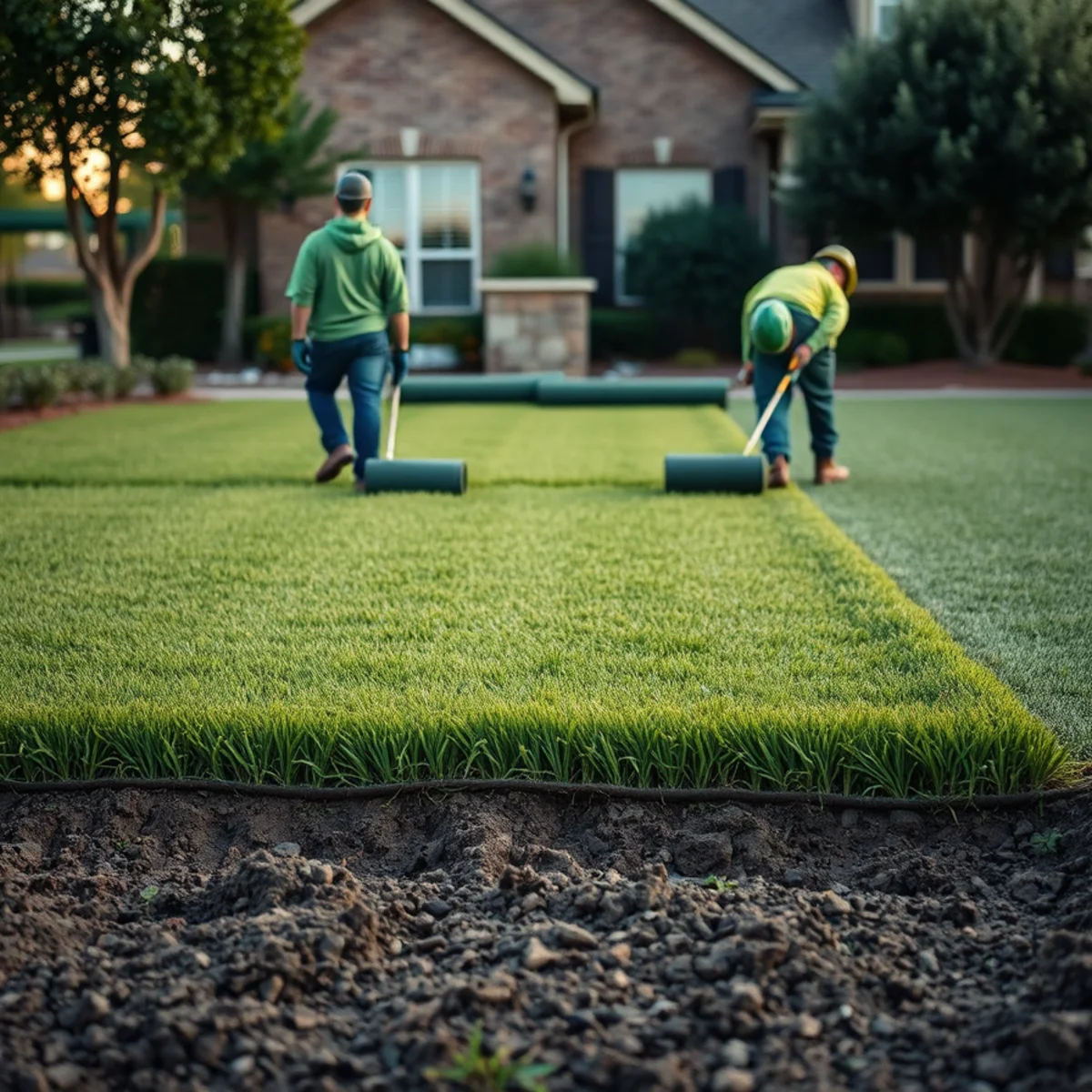
Sod installation in Fort Worth gives you a thick, established lawn in a single day instead of waiting months for seed to fill in. At Sion Tree Service, we handle the whole job the right way: stripping out the old grass and weeds, grading and prepping the soil that our North Texas clay demands, and laying healthy, fresh-cut sod tight so it knits in fast. We run a compact track loader to move material and shape the ground efficiently, which keeps the work clean and the timeline short.
Sod installation in Fort Worth gives you a thick, established lawn in a single day instead of waiting months for seed to fill in. At Sion Tree Service, we handle the whole job the right way: stripping out the old grass and weeds, grading and prepping the soil that our North Texas clay demands, and laying healthy, fresh-cut sod tight so it knits in fast. We run a compact track loader to move material and shape the ground efficiently, which keeps the work clean and the timeline short.
Whether you're starting fresh on a new build, patching out drought-killed or freeze-damaged turf, or just tired of a patchy, weedy yard, we'll match the right grass to your sun, soil, and how you use the space. Bermuda, St. Augustine, and Zoysia each have a place in DFW lawns, and we'll walk you through the tradeoffs before any sod hits the ground. As a licensed and insured, locally owned crew, we treat your property like our own and clean up like we were never there.
What's Included
- On-site evaluation of sun, drainage, soil, and the right turf type for your space
- Removal and haul-away of old grass, weeds, and surface debris
- Grading and leveling, with our compact track loader for larger or uneven yards
- Loosening or amending compacted North Texas clay soil where needed
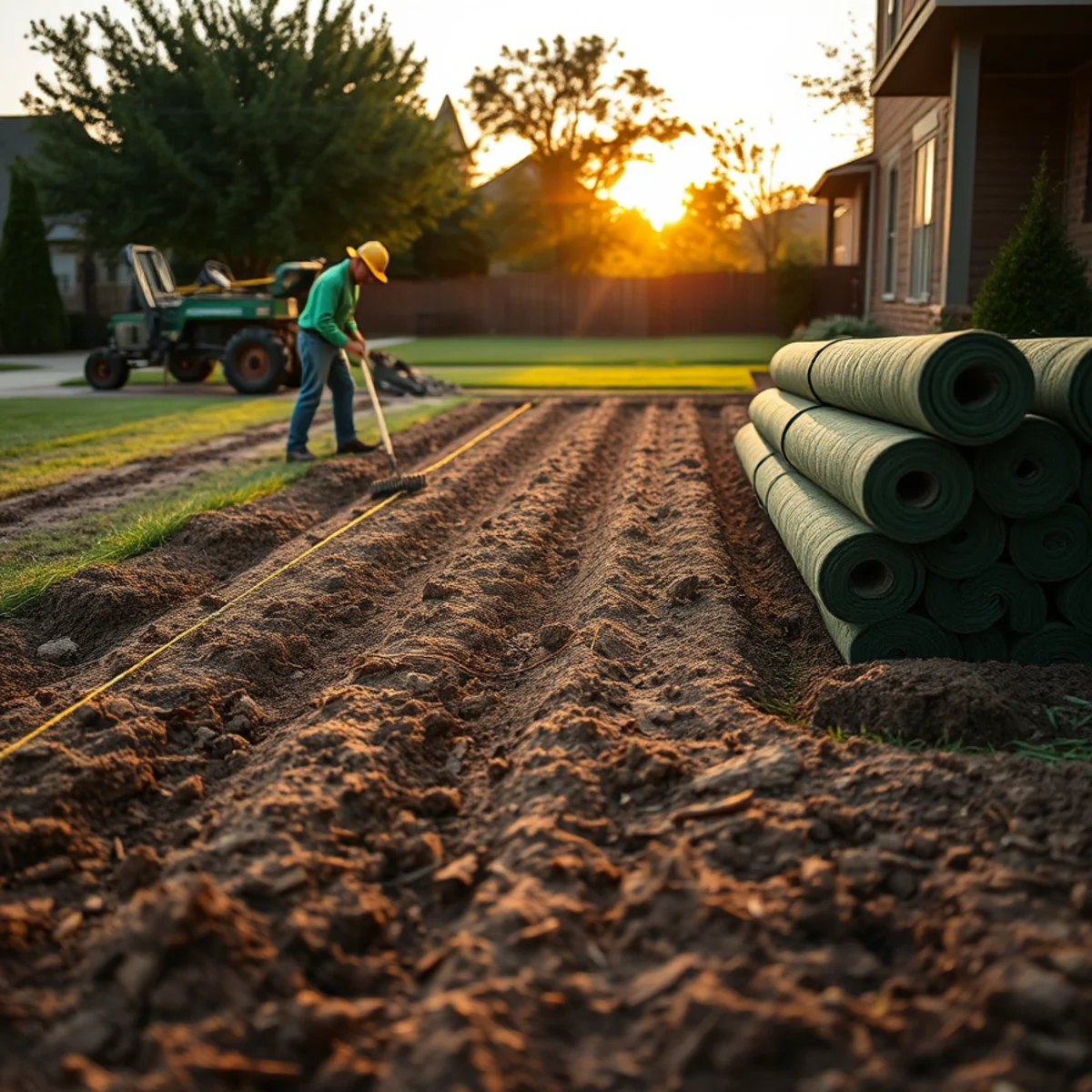
- Smoothing and final raking of the seedbed for tight sod contact
- Fresh-cut Bermuda, St. Augustine, or Zoysia sod sourced and delivered
- Staggered-seam installation with edges trimmed clean around beds, walks, and trees
- Initial rolling or pressing and a clear watering and aftercare plan
- Topsoil and compost amendment worked into the top 4 to 6 inches where the existing Blackland clay is thin, scraped, or builder-compacted
- Coordination with your in-ground sprinkler system, including flagging and capping heads before grading and a zone-by-zone run-time check after install
- Cultivar-level turf selection by name (Tifway 419 Bermuda, Palmetto or Raleigh St. Augustine, Palisades, Empire, or Zeon Zoysia) matched to your sun map
- Roller pass with a weighted lawn roller to press out air pockets and lock sod roots against the seedbed for faster knit-in
- Clean sod cuts and fitted seams around irrigation heads, valve boxes, downspout splash zones, and tree root flares
When to Call for Sod Installation
- Your existing lawn is patchy, weed-choked, or thinned out beyond repair
- New construction or a remodel left you with bare dirt or scraped subsoil
- Drought stress or the lingering effects of past freezes killed large sections of turf
- Bare or eroding spots are forming on slopes or in heavy-traffic areas
- You're regrading for drainage and want fresh sod laid right after the soil work
- You are putting in or repairing an irrigation system and want fresh sod laid the same week the trenches are backfilled and settled
- A grub or chinch-bug infestation, or a fungal patch like take-all root rot, has thinned your turf and reseeding keeps failing
- You want to convert a thirsty St. Augustine yard to drought-tougher Bermuda or Zoysia before the next North Texas summer
- Your HOA has flagged your lawn for bare dirt or weeds and you need an established green yard fast to come back into compliance
Why Sod Installation Pays Off
Instant, established lawn
Sod gives you a full green yard the day we finish, not a thin stand of seedlings you have to baby for a season. It chokes out weeds, holds soil on slopes, and looks finished from day one.
Right grass for North Texas
We help you pick between Bermuda, St. Augustine, and Zoysia based on your sun and shade, foot traffic, and watering habits. Choosing the correct turf up front is the single biggest factor in a lawn that thrives long term.
Proper soil prep and grading
A lawn is only as good as the ground under it. We strip old grass, address compacted clay, and grade for smooth, positive drainage so water runs away from your foundation instead of pooling.
Compact track loader efficiency
Our compact track loader moves soil, sod, and debris quickly while spreading its weight to limit rutting and damage. That means a faster, cleaner job and less hand labor torn up across your yard.
Tight, professional installation
We lay sod in a staggered, brick-pattern joint with seams pressed tight so the lawn knits together with no gaps or visible lines. Edges are cut clean around beds, walks, and trees for a crisp finished look.
Spotless clean-up and haul-away
Every scrap of old turf, soil, and pallet gets hauled off. We leave your driveway swept and your lawn ready to water, so the only thing you notice is the new grass.
How Our Sod Installation Works
Free on-site estimate
We walk the yard with you, check sun, drainage, and soil, and recommend the best turf for the space. You get a clear, honest quote up front with no obligation.
Soil prep and grading
We strip out old grass and weeds, address compacted clay, and grade the surface for a smooth, well-draining base. Our compact track loader handles the heavy moving so the bed is ready and even.
Sod installation
Fresh-cut sod is laid tight in a staggered pattern with seams pressed together and edges trimmed clean. We roll or press it to lock the roots against the soil for fast establishment.
Water, aftercare, and clean-up
We give you a simple watering schedule to root the new lawn in, then haul off every pallet and scrap and sweep up. You're left with a finished yard and a clear plan to keep it green.
What Drives Your Sod Installation Cost in Fort Worth
The biggest factors are the square footage you're covering, the turf type you choose, and how much prep the site needs, such as removing old grass, fixing grading, or amending compacted clay. Tight access, slopes, and haul-away of existing turf can also affect the total. We give honest, free estimates with quoted-equals-final pricing, so the number we hand you is the number you pay.
Total square footage and pallet count
Sod is priced by area and bought by the pallet, with each pallet covering roughly 450 square feet. Larger yards lower the cost per square foot, while small odd-shaped patches cost more per foot to cut and fit.
Grass cultivar
Bermuda is usually the most economical turf, St. Augustine sits in the middle, and Zoysia is the premium option. The cultivar you choose can swing the per-square-foot price more than any other single factor.
Old turf removal and disposal
Stripping and hauling away dead grass, weeds, and surface debris adds labor and dump cost. Heavily matted or rocky ground takes longer to clear than thin, bare dirt.
Grading, topsoil, and clay amendment
Fixing low spots, building positive slope away from the foundation, and working compost or topsoil into thin or compacted Blackland clay adds material and machine time. Builder-scraped new-construction lots usually need the most soil work.
Site access and slope
Tight gates, backyards a loader cannot reach, and steep grades force more hand labor and slower pallet movement. Slopes also need pinning or extra rolling to keep sod from sliding.
Irrigation coordination
Capping and resetting sprinkler heads, adjusting coverage for new turf, or laying sod right after irrigation work adds time. A working, properly zoned system is essential for the turf to survive establishment.
The local details most companies skip — what every Fort Worth homeowner should understand about sod installation before the work begins.
Prepping Fort Worth's Blackland Clay So Sod Actually Roots
The single biggest reason a new lawn fails in Fort Worth is not the sod, it is the ground under it. Much of Tarrant, Johnson, and eastern Parker County sits on heavy, expansive Blackland clay that swells when wet and shrinks rock-hard in our summers, and on new-construction lots the good topsoil is often scraped off and the subsoil compacted by heavy equipment. Sod laid on bare, slick, compacted clay sheds water instead of soaking it in, and the roots never get the oxygen they need to knit down.
What proper prep looks like
- Strip or kill and remove all existing grass, weeds, and runners so nothing competes with the new turf for water and nutrients
- Loosen the top 4 to 6 inches of compacted clay rather than laying sod on a slick, troweled surface
- Work in topsoil and compost where the native soil is thin, so roughly the top few inches hold moisture and feed new roots
- Grade for positive drainage with a gentle slope that carries water away from the foundation, walks, and the house, not toward them
- Rake and firm the seedbed smooth so every piece of sod makes tight contact with no air gaps or low spots that will scalp later
This is also the stage to fix drainage problems for good. Because our clay holds water against foundations and expands and contracts with the seasons, we shape low spots and swales before a single pallet is laid. Doing it now, with a compact track loader spreading its weight to limit rutting, is far cheaper than tearing up an established lawn to regrade later.
Choosing Bermuda, St. Augustine, or Zoysia for a North Texas Lawn
There is no single best grass for DFW, only the best grass for your sun, your water habits, and how you use the yard. We map the sun across your property first, because that one factor decides more than anything else. As a rule, full-sun front yards favor Bermuda, heavily shaded yards under live oaks and pecans push you toward St. Augustine, and homeowners who want a dense, low-mow lawn that splits the difference lean Zoysia.
How the three warm-season grasses compare
- Bermuda (often Tifway 419): loves full sun, shrugs off heat and foot traffic, and is the most drought-tolerant and economical choice, but it thins badly in shade and goes dormant brown in winter
- St. Augustine (Palmetto or Raleigh): the best shade tolerance of the three and a lush wide blade, but it drinks the most water, dislikes heavy traffic, and is prone to chinch bugs and take-all root rot in our heat
- Zoysia (Palisades, Empire, or Zeon): a dense, slow-growing turf that needs less mowing and handles sun to part shade, with a higher up-front cost and a slower knit-in than Bermuda
Cultivar names matter, not just the species. A shade-rated St. Augustine like Palmetto behaves differently than older Raleigh, and Zoysia varieties range from fine-bladed Zeon to tougher Palisades. We also factor in your HOA rules, since some DFW associations specify approved grasses or drought standards, and your irrigation, because St. Augustine on a yard with weak sprinkler coverage is a recipe for a thin, buggy lawn within two summers.
Watering and Aftercare Schedule for New Sod in DFW Heat
Sod lives or dies on water in the first month, and our North Texas summers are unforgiving. Roots have to grow down out of the sod and into the prepped soil before the turf can survive on a normal schedule, and a single missed day in July can brown out freshly laid pieces. Before we leave, we hand you a clear, taperable schedule and walk your sprinkler zones with you so there is no guessing.
A realistic establishment timeline
- First half hour: soak the sod immediately after it is laid so the soil beneath gets wet, not just the surface
- Week 1 to 2: water daily, often split into a morning and a late-day cycle, keeping the soil consistently moist but not swampy
- Week 3 to 4: taper to every other day as roots take hold, watering deeper and less often to pull roots downward
- Week 5 and beyond: shift to deep, infrequent watering, roughly one to one and a half inches per week in summer, ideally in the early morning to beat evaporation and reduce disease
Hold heavy traffic, pets, and play off the lawn for the first two to three weeks, and wait to mow until you can tug a corner and the sod resists lifting, usually around the same point. Make that first cut high and with a sharp blade so you do not scalp or peel the pieces. Hold off on heavy fertilizer until the lawn is rooted, then feed on a North Texas warm-season schedule. Follow the plan closely and the seams disappear within a few weeks into one solid, knitted lawn.
Smart Homeowner Tips Before You Hire Anyone
A few habits that protect your wallet, your property, and your insurance claim — whether you hire us or not.
Get a simple soil pH and sun reading before you commit to a grass, since St. Augustine struggles below about 30 percent sunlight and Bermuda thins out fast in shade no matter how much you water it.
Insist that old grass and weeds be physically stripped or killed and removed, not buried under fresh sod, because old runners and clay hardpan are the top reason new lawns fail to root.
Ask any contractor for proof of liability and workers comp insurance and a Texas irrigation license before they trench for sprinklers, and confirm it covers the crew on your property.
Have the installer flag and cap your sprinkler heads before grading so a skid steer or loader does not crush risers and valve boxes hidden under the old turf.
Water within the first half hour of sod being laid and keep it consistently moist for the first two weeks, because a single hot, dry afternoon can kill freshly laid pieces before they root.
Avoid sodding oaks back too close to the trunk and never let new irrigation keep a tree root flare soggy, since chronic wet soil and oak wilt pressure are both real risks in North Texas yards.
Sod Installation Across Fort Worth & DFW
Serving Fort Worth and the surrounding Dallas–Fort Worth metroplex, seven days a week.
Fort Worth neighborhoods we work in often:
Trusted by Local Homeowners
“Sion Tree Service did an outstanding job trimming the trees at my home. The crew of 6 came in and quickly removed all the dead limbs and trees that needed to come out. Their cleanup was amazing! Highly recommend them!”
“Very fast work, arrived right on time, workers very professional and cleaned up before leaving. The price was what was quoted. I'd recommend them to anyone needing tree trimming. I'll be using them again!”
“Great communication and super responsive. Squeezed me in the next day and did an awesome job removing and grinding a large tree that had fallen in a storm. Have used them twice with great service both times.”
Sod Installation FAQs
It depends on your sun and how you use the yard. Bermuda loves full sun and handles heat and traffic well, St. Augustine tolerates more shade but needs more water, and Zoysia is a dense, slower-growing middle ground. We'll match the grass to your conditions during the free estimate.
Spring through early fall is ideal because the warm-season grasses we use are actively growing and root in quickly. Sod can be installed in other months, but it establishes more slowly in cold weather. We'll advise on timing based on your specific lawn and the current conditions.
New sod needs to stay consistently moist for the first couple of weeks while the roots take hold, which usually means watering daily or more in our heat. We give you a clear, step-by-step schedule that tapers off as the lawn establishes. Following it closely is the key to a lawn that knits in and thrives.
Yes. We strip out the existing grass and weeds, haul it away, and prep the soil so the new sod makes solid contact with the ground. Laying fresh sod over old turf is a common shortcut that leads to poor rooting, and we don't cut that corner.
Keep foot traffic light for the first two to three weeks so the roots can anchor without being disturbed. You can usually give it a first mow once it's rooted enough that the sod doesn't lift, often around the two-to-three-week mark. We'll let you know what to watch for so you don't get ahead of it.
Sod gives you an established, weed-resistant lawn the day it is laid, while seed takes a full warm season to fill in and competes hard with our aggressive local weeds. St. Augustine and most premium Zoysia cultivars are only sold as sod or plugs, not viable seed, so sod is often the only practical route for those grasses. Seed can work for common Bermuda on a tight budget, but on expansive clay and slopes it washes and germinates unevenly.
Most DFW sod jobs land in a per-square-foot range that bundles the turf, soil prep, and labor, with the grass itself sold by the pallet that covers roughly 450 square feet. Bermuda is typically the most affordable turf, Zoysia the priciest, and St. Augustine in between, so your cultivar choice moves the number as much as the size of the yard. We quote per square foot after walking the site, and the quote we hand you is the price you pay.
Replacing turf with turf normally does not require a city permit in Fort Worth, but tying into or adding an irrigation system does require a licensed irrigator and a city permit under Texas rules. Many DFW HOAs and deed restrictions specify approved grass types, drought-tolerance standards, or front-yard appearance, so check your covenants before you pick a cultivar. We work within whatever your association allows and keep the site immaculate while we are there.
If more than roughly half the yard is bare, weed-choked, or scalped subsoil, sod almost always outperforms patching because new sod establishes a uniform root mat instead of competing with surviving weeds and old runners. Fungal damage, repeated grub feeding, or hardpan clay that will not hold seed are also signs to start over with prepped soil and fresh turf. We evaluate the yard honestly and will tell you if a smaller repair makes more sense than a full install.
In the North Texas growing season, sod usually knits down in two to three weeks and is fully rooted in about four to six weeks once you tug a corner and it resists lifting. Keep heavy foot traffic, pets, and play off it until then, and hold the first mow until the roots anchor so the mower does not peel the pieces up. Cool-weather installs root more slowly, so the timeline stretches if you sod in late fall or winter.
Related Tree & Yard Services
French Drain Installation
Stop standing water and protect your foundation with a properly built French drain.
Learn MoreYard Cleanup
Seasonal & post-storm yard cleanups, leaf and debris hauled away clean.
Learn MoreLand Clearing
Lot, pasture & brush clearing with full haul-away, ready for your next project.
Learn MoreReady for Sod Installation in Fort Worth?
Call Sion Tree Service for sod installation done safely, affordably, and cleanly — with a free, no-obligation estimate.
Open daily 6 AM–7 PM · Serving Fort Worth & the DFW metroplex