Arborist Services in Fort Worth, TX
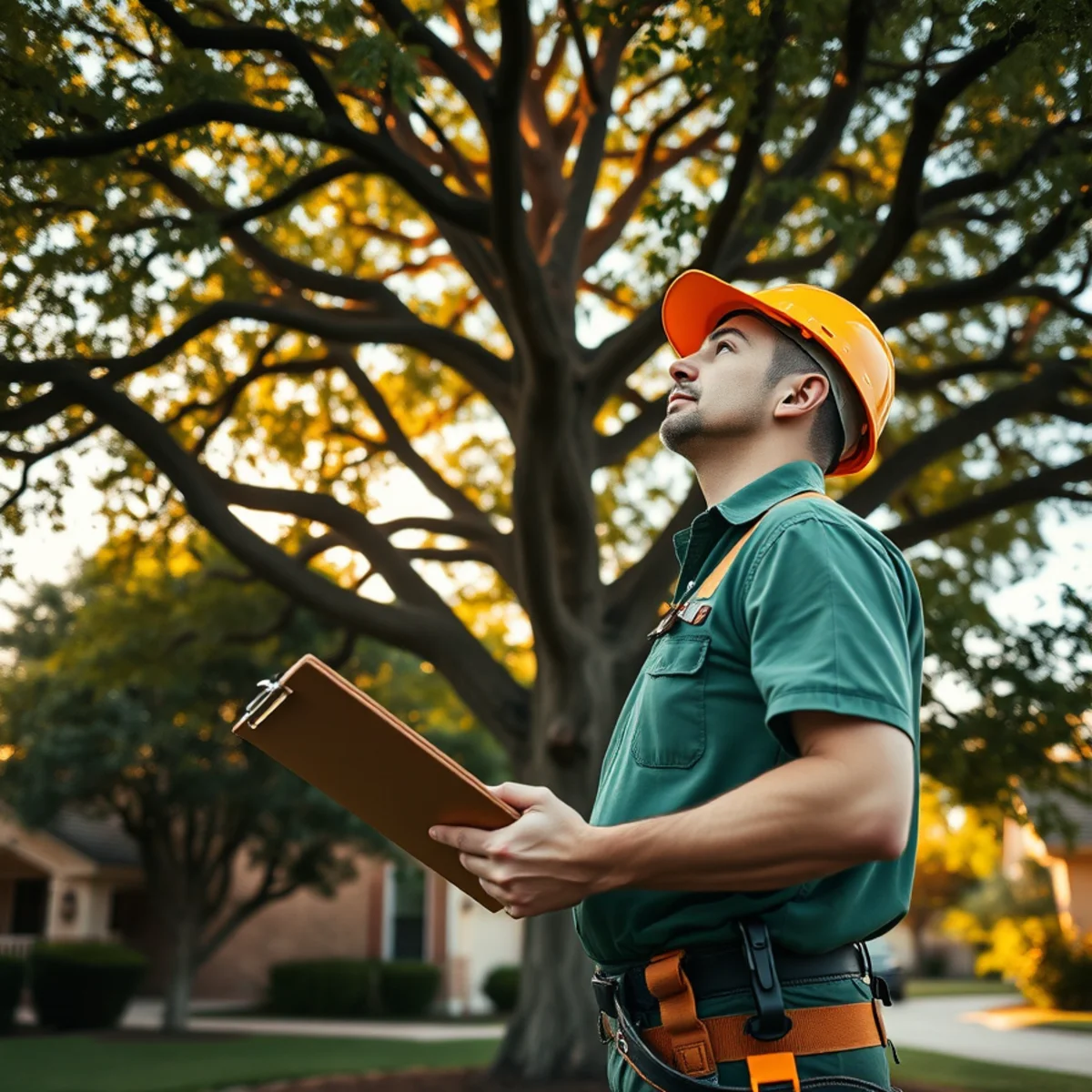
Arborist Services in Fort Worth start with a trained eye and an honest answer. At Sion Tree Service, we walk your property, read what your trees are telling us, and give you a clear plan you can actually use, whether that means a targeted pruning schedule, a hazard evaluation before storm season, or a straight second opinion on work someone else recommended.
Arborist Services in Fort Worth start with a trained eye and an honest answer. At Sion Tree Service, we walk your property, read what your trees are telling us, and give you a clear plan you can actually use, whether that means a targeted pruning schedule, a hazard evaluation before storm season, or a straight second opinion on work someone else recommended.
North Texas is tough on trees. Expansive clay soil, recurring drought, the lingering effects of the February 2021 freeze, and the constant threat of oak wilt all shape how a post oak, live oak, cedar elm, or pecan grows and fails here. Owner-led by Edgar and backed by 146 Google reviews and a roughly 4.9-star rating, our team brings years of hands-on DFW experience to every assessment so you get advice grounded in this region, not a generic checklist.
What's Included
- On-site walkthrough and visual inspection of each tree of concern, including trunk, canopy, and root flare
- Species identification and condition rating for your post oaks, live oaks, cedar elms, pecans, and other natives
- Risk and hazard evaluation covering lean, cracks, cavities, weak branch unions, and deadwood
- Assessment of common DFW stressors: drought, clay-soil compaction, freeze damage, and signs of oak wilt
- Custom pruning plan with species- and season-appropriate timing recommendations
- Tree-preservation guidance for construction, grading, or landscaping projects
- Independent second-opinion review of removal or treatment recommendations from other contractors
- Clear written summary of findings, priorities, and suggested next steps with a free estimate for any work
- Formal level-based risk evaluation following the industry tree-risk framework: likelihood of failure, likelihood of hitting a target like your house or driveway, and consequences if it does, so a 'scary-looking' tree over open lawn is rated differently than a smaller defect over a bedroom
- Critical root zone and root protection zone mapping for trees you want to keep, with the standard 1-foot-radius-per-inch-of-trunk-diameter calculation used to set tree protection fencing before any digging starts
- Documentation an arborist report can supply for a Fort Worth removal or development permit, including a written hazard finding for a dead, dying, diseased, or genuinely hazardous tree
- Decay and defect investigation at the trunk base and root flare, including sounding for hollows, checking for fungal conks, mushrooms, and root-collar rot that visual canopy looks alone will miss
- Soil and root-zone diagnosis on our expansive clay, covering compaction, grade-change burial of the root flare, girdling roots, and chlorosis from high-pH soils common across Tarrant and Parker County
When to Call for Arborist Services
- You see leaning, large cracks, hanging limbs, or sudden canopy dieback after a storm or freeze
- Another company recommended removing a tree and you want an honest second opinion first
- You are planning construction, a pool, or grading near mature trees you want to keep
- Your oaks show wilting, leaf discoloration, or you are worried about oak wilt spreading in the neighborhood
- You are buying or selling a property and need an experienced read on the trees before you commit
- You received a Fort Worth tree-removal notice or are starting a development, addition, or lot split and need to know whether a permit applies before a bulldozer arrives
- A contractor or neighbor told you a tree is 'fine' or 'dead' and you want a documented, defensible opinion in writing before money or a permit is on the line
- Construction fencing, trenching, or a new driveway already went in near a mature post oak or live oak and you want to know if the root zone was compromised
- Mushrooms, conks, or soft spongy bark have appeared at the base of a large tree near your house, patio, or where kids and cars sit
Why Arborist Services Pays Off
Catch problems early
A thorough tree-health assessment spots decay, root issues, drought stress, and early disease before they turn into a failed limb or a dead tree, saving you money and protecting what is around it.
Reduce real risk
We evaluate lean, cracks, weak unions, deadwood, and proximity to your home or driveway, then tell you plainly which trees are sound, which need work, and which are genuine hazards.
Smarter pruning plans
Instead of over-cutting, we build a pruning plan matched to the species and season, including the rule of not pruning oaks February through June to limit oak wilt exposure.
Protect trees during construction
Before you build, add a pool, or grade a lot, we help you set protection zones so heavy equipment, trenching, and soil changes do not quietly kill the trees you want to keep.
Honest second opinions
If another company says a tree has to come down, we will give you an independent read so you can remove with confidence or save a healthy tree that did not need to go.
Advice you can act on
Every visit ends with clear, written-out recommendations and priorities, not vague worry, so you know exactly what to do now and what can wait.
How Our Arborist Services Works
Free estimate and scheduling
Call us and tell us what you are seeing. We set up a visit fast, often same-day or next-day, and the assessment estimate is free and clearly explained up front.
On-site assessment
We walk the property, inspect each tree of concern, identify the species, and evaluate health, structure, and any hazards specific to your site and soil.
Plan and recommendations
You get a clear, written summary of findings with prioritized recommendations, whether that is a pruning plan, monitoring, treatment, preservation steps, or removal, plus a free quote for any work.
Work and full cleanup
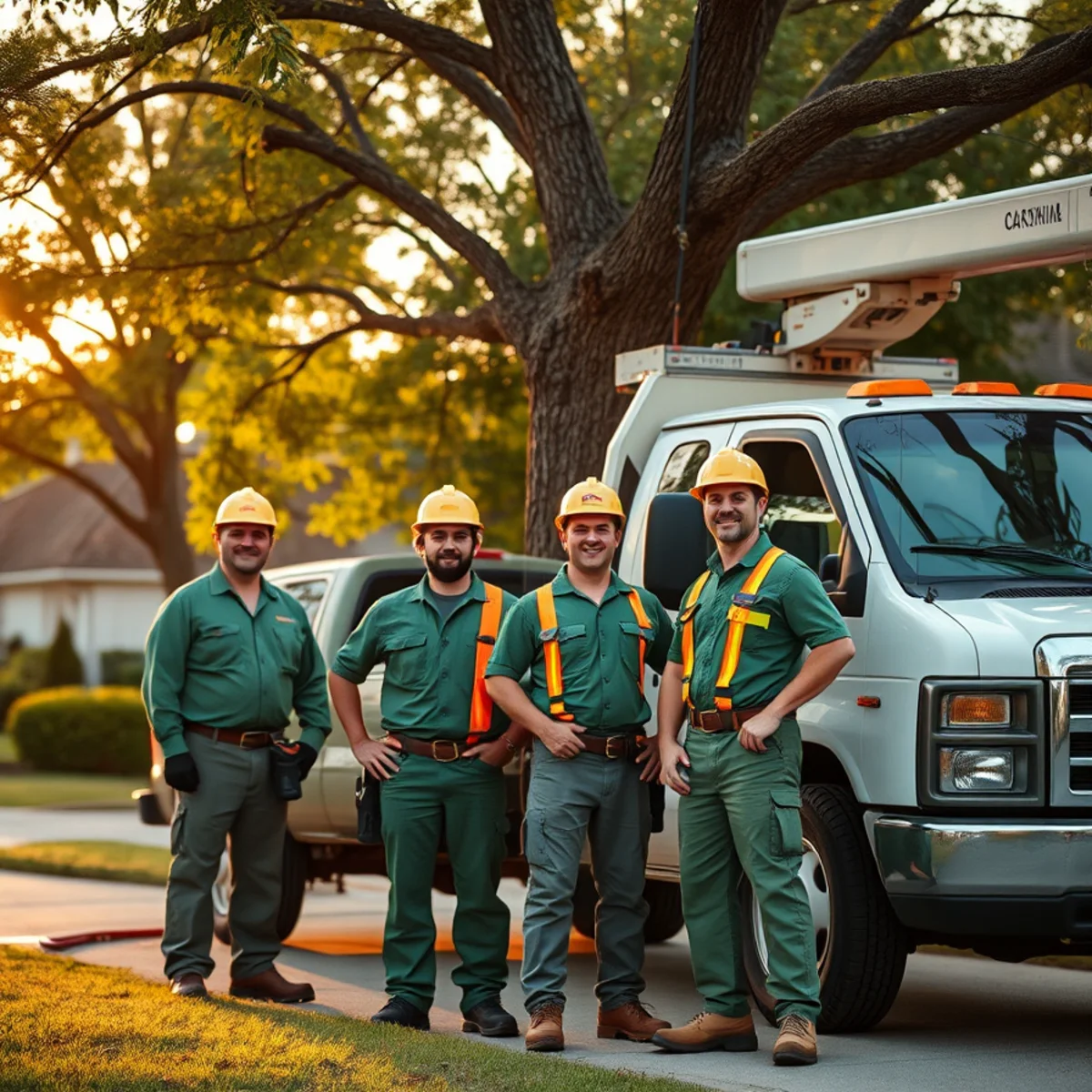
If you move forward, our trained climbers complete the work safely, then haul everything away and leave the site spotless, like we were never there.
What Drives Your Arborist Services Cost in Fort Worth
The cost of an arborist visit depends on the number and size of the trees, how detailed the evaluation needs to be, whether it covers construction preservation, and how far the site is within the DFW metroplex. A quick second-opinion look is far simpler than a full multi-tree health and risk survey, so the scope drives the price. We offer free estimates and quote honestly up front, so the number we give is the number you pay.
Scope of the visit
A quick single-tree second opinion is far simpler than a full multi-tree health and risk survey of an entire property. The number of trees and the depth of evaluation drive the cost more than anything else.
Written report and documentation
A verbal walkthrough with recommendations is the baseline. A formal written assessment, hazard letter, or documentation packaged to support a city permit or an insurance or real-estate transaction takes more time and is priced accordingly.
Construction and preservation planning
Mapping root protection zones, specifying fencing locations, and writing a preservation plan for a build or lot grading is more involved than a standard health check and reflects the added site work.
Tree size and access
Large mature oaks, pecans, and elms with high canopies and difficult access take longer to evaluate thoroughly than small ornamentals like crepe myrtles in an open front yard.
Further diagnostics
Most assessments are visual, but if a tree needs deeper decay investigation or a soil and root-zone evaluation, that added step is quoted separately and only done with your approval first.
Location within DFW
How far the site sits within the metroplex, across Tarrant, Parker, Johnson, Denton, and Dallas counties, affects travel and scheduling and can factor into the quote.
The local details most companies skip — what every Fort Worth homeowner should understand about arborist services before the work begins.
Fort Worth Tree Removal Permits and How an Arborist Protects You
One of the most expensive mistakes a Fort Worth homeowner can make is cutting down a protected tree without checking the city ordinance first. Fort Worth's urban forestry rules protect a long list of native species at specific trunk-diameter thresholds, and unauthorized removal of a protected tree can carry penalties charged per inch of diameter, which on a large oak adds up fast. Knowing where you stand before the saw comes out is exactly the kind of question a good assessment answers.
When a permit usually applies
- Single-family lots under one acre can generally remove one dead, dying, diseased, or genuinely hazardous tree without a permit, but additional or healthy trees may not qualify
- Lots over one acre, multifamily properties, and any tree tied to construction or development fall under the ordinance and often need approval
- Native species such as post oak are given heightened protection, with lower diameter thresholds in parts of the city, which is worth confirming before you assume a tree is fair game
- Heritage and larger-diameter trees can be protected regardless of property type, so size alone does not make a tree removable
We will not pull a city permit for you, but we will tell you honestly whether your tree looks like a hazard, document its condition in writing, and direct you to Fort Worth's Urban Forestry office to confirm the current rules and fees. That written hazard finding is the document city reviewers and many HOAs want to see, and it is far cheaper than a penalty for removing the wrong tree.
Protecting Mature Trees During Construction on North Texas Clay
Most tree loss from construction is invisible at the time. The crew finishes, the addition or pool looks great, and then one to three years later a mature live oak or cedar elm thins out and dies because its roots were crushed, severed, or smothered. On Fort Worth's expansive clay, where roots run wide and shallow to find water, the damage is easy to do and almost impossible to undo, so the only real fix is preventing it before ground breaks.
The three ways construction kills trees
- Soil compaction: heavy equipment, material storage, and even repeated foot traffic over the root zone squeeze the air out of our clay and suffocate roots
- Root severance: trenching for utilities, footings, irrigation, or a new driveway cuts the structural and feeder roots a tree depends on
- Grade change and fill: adding or stripping soil over the roots, or piling fill against the trunk and burying the root flare, slowly rots and starves the tree
How we set up a protection zone
We map the critical root zone using the accepted standard of about one foot of protection radius for every inch of trunk diameter, then specify sturdy fencing placed at that line before any equipment arrives. Inside that fence there is no driving, digging, storing, or grade change. Where a utility line truly must cross the root zone, we recommend boring under the roots rather than open trenching through them, and we lay out a watering and monitoring plan to carry the tree through the stress of the project.
If you bring us in during the planning stage, you have leverage to adjust a driveway, footing, or trench location while it is still lines on paper. Once the trench is dug, the conversation is only about damage control.
What a Certified Arborist Actually Does and How to Verify One
The word 'arborist' is not regulated, so anyone with a chainsaw can use it. A certified arborist is something more specific: a person who has passed a standardized exam through a recognized body such as the International Society of Arboriculture and keeps that credential current with continuing education. Some arborists also hold a separate tree-risk assessment qualification focused specifically on evaluating hazard. Understanding the difference is the first layer of protection against bad actors, especially the storm-chasers who flood DFW after spring hail and wind.
How to verify any arborist before you hire
- Ask directly which credentials they currently hold, and for the name on the certificate, rather than accepting a logo on a truck
- Check that credential yourself using the ISA's free public 'verify a credential' tool online
- Request a current certificate of insurance and confirm the company is licensed and insured, since tree work is high-risk and an uninsured injury on your property can become your problem
- Get the assessment and any recommendation in writing, with the reasoning, not just a verbal 'it needs to come down'
At Sion Tree Service we keep our own claims simple and truthful: we are locally owned, licensed and insured, owner-led by Edgar, with trained climbers and well-maintained equipment, and 146 Google reviews behind us at roughly 4.9 stars. We would rather teach you how to vet anyone in this trade than ask you to take a logo on faith, because an honest assessment only means something if you can trust who is giving it.
Smart Homeowner Tips Before You Hire Anyone
A few habits that protect your wallet, your property, and your insurance claim — whether you hire us or not.
Verify any arborist yourself through the ISA's public credential-verification tool and ask for a current certificate of insurance before work starts, rather than trusting a certification logo on a truck or flyer.
Be cautious of any company that recommends removing a large oak or topping it on a same-day door-knock, especially right after a storm, because pressure tactics and lowball verbal quotes are common red flags here.
Never let anyone prune your oaks February through June except for a true storm-broken hazard, and have any necessary cut painted immediately to reduce oak-wilt beetle exposure.
Before any construction, addition, pool, or new driveway, set tree protection fencing at roughly one foot of radius per inch of trunk diameter and keep all equipment, fill, and material storage outside it.
Watch the root flare: if soil, mulch, or new grade is piled against the trunk so you cannot see the root collar widen at ground level, that buried flare can slowly rot the tree from the base.
Get a tree's condition documented in writing before you remove it, because a hazard letter from an arborist can support a Fort Worth permit and protect you from costly penalties for removing a protected tree without authorization.
Arborist Services Across Fort Worth & DFW
Serving Fort Worth and the surrounding Dallas–Fort Worth metroplex, seven days a week.
Fort Worth neighborhoods we work in often:
Trusted by Local Homeowners
“Sion Tree Service did an outstanding job trimming the trees at my home. The crew of 6 came in and quickly removed all the dead limbs and trees that needed to come out. Their cleanup was amazing! Highly recommend them!”
“Very fast work, arrived right on time, workers very professional and cleaned up before leaving. The price was what was quoted. I'd recommend them to anyone needing tree trimming. I'll be using them again!”
“Great communication and super responsive. Squeezed me in the next day and did an awesome job removing and grinding a large tree that had fallen in a storm. Have used them twice with great service both times.”
Arborist Services FAQs
Our team brings years of real, hands-on tree-care experience across the Fort Worth and DFW area. If a specific certification matters for your project, ask us directly and we will tell you exactly what current credentials we hold so you can verify them, rather than relying on a claim.
An estimate is a free quote for a specific job you already have in mind, like removing a tree or trimming a few limbs. A full assessment is a deeper walkthrough where we evaluate the health, structure, and risk of your trees and give you a written plan, which is ideal when you are unsure what the trees actually need.
Yes, and it is one of the most common reasons people call us. We give you an honest, independent read on whether the tree is truly a hazard or can be saved, so you can make the decision with confidence instead of pressure.
In North Texas, fresh pruning cuts on oaks from roughly February through June can attract the beetles that spread oak wilt, a serious disease that can kill trees and move between them. We plan oak pruning for safer windows and only cut in spring when a genuine safety hazard makes it necessary, sealing wounds when we do.
The biggest threats are soil compaction, trenching through roots, and grade changes from heavy equipment, and most tree loss from construction happens out of sight at the roots. We assess your trees before work begins and help you set protection zones and limits so the trees you want to keep have a real chance of surviving the project.
It depends on your property and the tree. A single-family lot under one acre can generally remove one dead, dying, diseased, or hazardous tree without a permit, but larger lots, multifamily, and any tree tied to construction or development fall under the city ordinance, which protects many native species at specific trunk-diameter thresholds. We can document a tree's condition in writing to support your permit application and point you to the city's Urban Forestry office to confirm current rules before you cut.
A certified arborist has passed a standardized exam through a professional body like the International Society of Arboriculture (ISA) and keeps the credential current with continuing education; some also hold a separate tree-risk assessment qualification. You can verify any arborist's standing yourself through the ISA's public 'verify a credential' tool and should always ask for it directly rather than trusting a logo on a truck. Whatever you hire, also ask for a current certificate of insurance and confirm the company is licensed and insured before work begins.
A structured risk assessment weighs three things together: how likely the tree or limb is to fail, how likely it is to hit a target like your roof or a parked car, and how bad the damage would be if it did. That is why a large dead limb over a play set can rate as a higher priority than a leaning trunk over an empty back corner. You leave with a documented rating and a recommendation, not just a gut reaction or an automatic 'take it down.'
No. An assessment is non-invasive: we walk the property on foot, inspect the trunk, root flare, and canopy, sound the wood for hollows, and note defects without climbing spikes or cutting healthy tissue. If a tree needs a closer look, we explain any further diagnostic step and what it costs before we do anything.
Yes, because most construction-related tree death happens out of sight at the roots and shows up one to three years later, long after the crew has gone. Soil compaction from equipment, trenching through roots, and burying the root flare under fill or new grade are the usual culprits on our tight clay soils. An independent assessment before ground breaks sets protection fencing at the right distance and gives you leverage if the plan threatens a tree you want to keep.
Helpful Reading
 Cost & Planning
How to Choose a Tree Service Company in Fort Worth
A practical guide to vetting a tree service company in Fort Worth, from insurance and reviews to written estimates, cleanup, and the warning signs that should send you looking elsewhere.
Read Article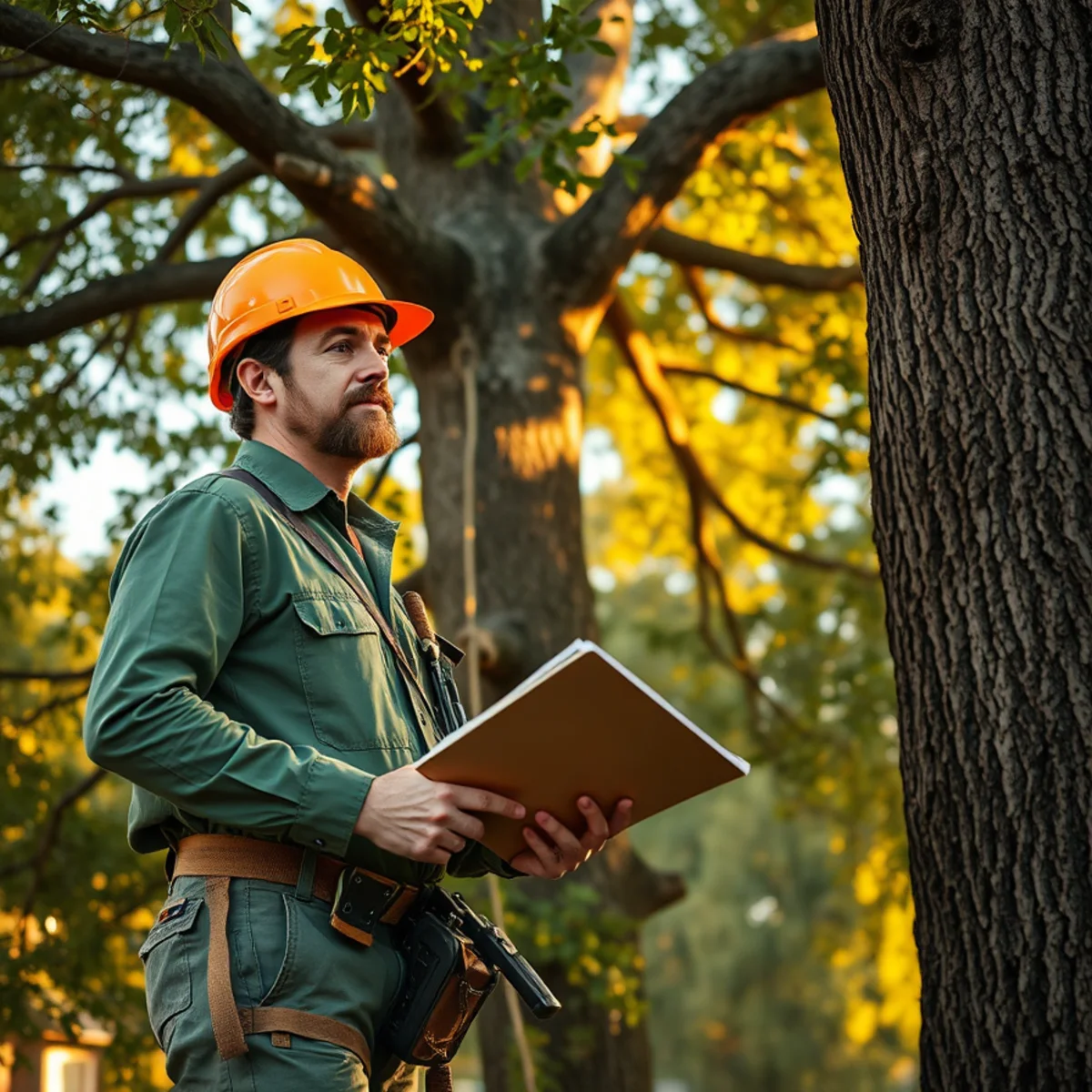 Tree Care
What Does an Arborist Do? Tree Care Explained
Wondering what a certified arborist actually does? Here's how trained tree experts assess, prune, diagnose, and preserve trees across the DFW area.
Read ArticleRelated Tree & Yard Services
Tree Health Care & Disease Treatment
Arborist-minded care for sick, stressed, and storm-weary North Texas trees
Learn MoreTree Pruning
Precise structural and health pruning that keeps your trees strong, safe, and beautiful.
Learn MoreTree Removal
Safe removal of dead, storm-damaged & large trees, with full cleanup and haul-away.
Learn MoreReady for Arborist Services in Fort Worth?
Call Sion Tree Service for arborist services done safely, affordably, and cleanly — with a free, no-obligation estimate.
Open daily 6 AM–7 PM · Serving Fort Worth & the DFW metroplex