How to Choose a Tree Service Company in Fort Worth
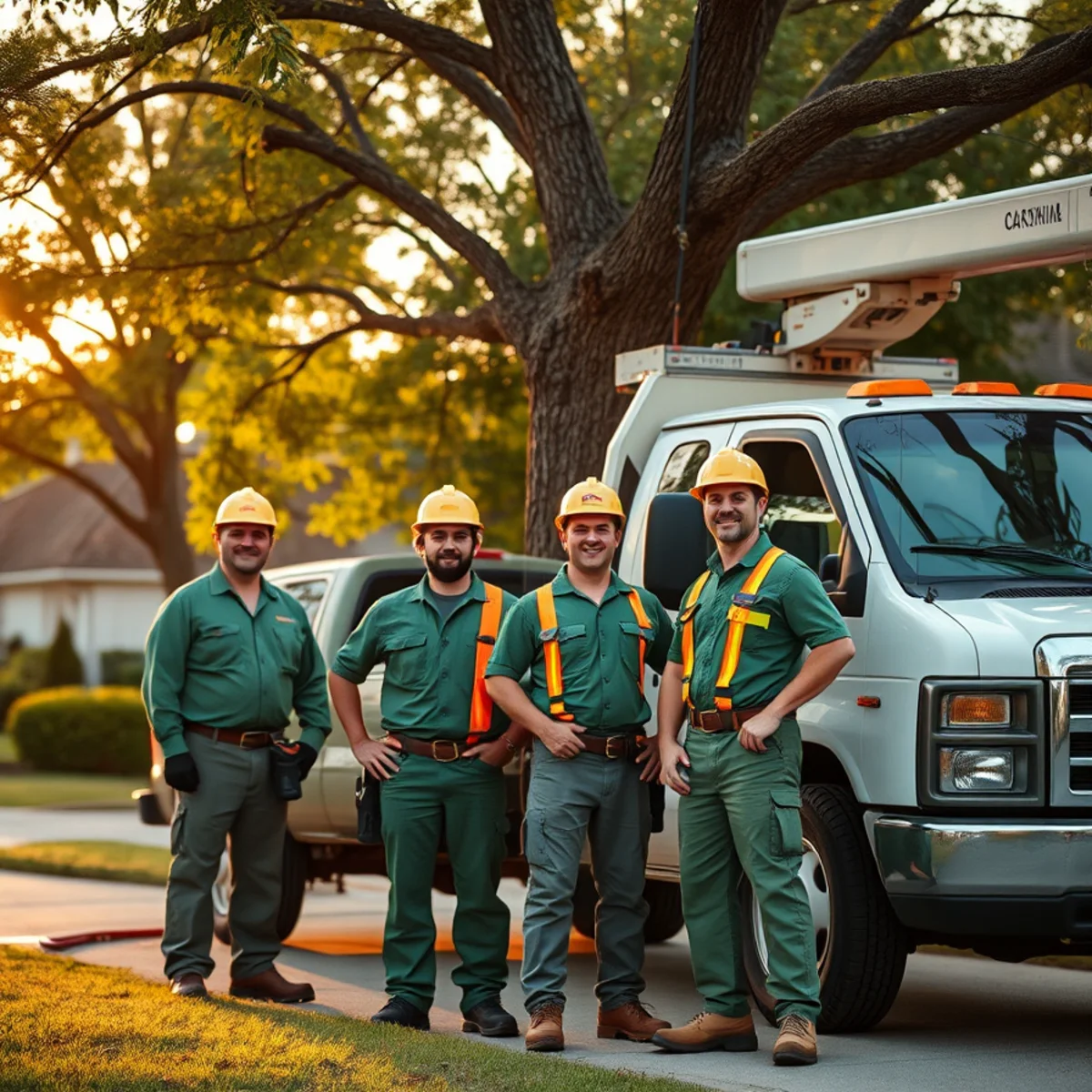
Tree work in Fort Worth is not a one-size-fits-all job. A mature post oak hanging over your roof, a storm-split cedar elm, or a row of crepe myrtles that need shaping all call for different skills and equipment. Picking the right tree service company protects your property, your trees, and your wallet, so it pays to slow down before you sign anything.
The good news is that you can sort the professionals from the risky operators with a short checklist. Here is what experienced North Texas homeowners look at before they hire, and the warning signs that should make you keep looking.
Start with reviews and real local reputation
Online reviews are the fastest way to see how a company actually treats customers in the DFW area. Look for volume and consistency, not just a high star rating. A handful of perfect reviews can be misleading, while dozens of detailed reviews across years tells a much truer story.
When you read through them, watch for a few specific things:
- Reviews that name the owner or crew lead by name, which usually means real, repeat relationships rather than anonymous one-off jobs
- Comments about cleanup and the price matching the quote, since those are the two areas where homeowners most often get burned
- A pattern over time, not a cluster of reviews all posted in the same week
- How the company responds to any criticism, because that tells you how they will treat you if something goes wrong
At Sion Tree Service, our reputation in Fort Worth is built on 146 real Google reviews and an owner, Edgar, whom customers mention by name again and again. That kind of track record is hard to fake and worth looking for in anyone you hire.
Confirm insurance and licensing before anyone climbs
This is the single most important check, and it is the one homeowners skip most often. Tree work involves chainsaws, climbing, heavy limbs, and sometimes cranes near your home and power lines. If a worker is hurt on your property or a falling limb damages your roof or your neighbor's fence, you do not want to be the one absorbing that cost.
A legitimate tree service company carries both general liability insurance and workers' compensation coverage. Do not just take a verbal yes. Ask for a current certificate of insurance, and if the job is large, you can request to be added as a certificate holder so you are notified if coverage lapses.
Texas does not require a statewide license simply to cut trees, so be wary of anyone who waves a vague credential as proof of legitimacy. What matters far more is verifiable insurance and demonstrated experience. Sion Tree Service is licensed and insured, and we are glad to show proof before work begins.
Look for experience with North Texas trees
Local knowledge is not a nice-to-have here. Our trees and our climate create problems a general crew may not recognize. A company that knows Fort Worth will understand the issues that come with our expansive clay soil, drought stress, and storm season.
A few examples of why local experience matters:
- Oak wilt is a serious threat in the area, so oaks should generally not be pruned from February through June when the disease-spreading beetles are most active
- Post oaks and live oaks are sensitive to root disturbance and soil compaction, which a careless crew can cause without ever touching the canopy
- Lingering damage from the February 2021 freeze still shows up as dead wood and weak limbs in older trees
- Spring hail, wind, and storms regularly leave hangers and split branches that need prompt, safe removal
Ask any company how they would approach your specific tree. A pro will talk about timing, species, and tree health. Someone who only wants to talk about getting the saw running should give you pause.
Insist on a written, detailed estimate
A handshake number scribbled on a business card is not an estimate. Before work starts, you should have a written quote that spells out exactly what is included so there are no surprises when the invoice arrives.
A clear estimate should cover:
- The specific trees and the exact scope, such as full removal, crown thinning, deadwood pruning, or stump grinding
- Whether stump grinding and root cleanup are included or priced separately
- Whether haul-away and debris removal are part of the price or an add-on
- Any conditions that could change the cost, like crane access or limited yard entry
Pricing depends on real factors: tree size and species, how close it is to structures and power lines, access for equipment, and how much debris there is to haul. Be skeptical of a quote that seems far lower than everyone else's, because that gap often reappears as add-ons later. Our promise is simple: the price we quote is the price you pay.
Don't forget about cleanup and haul-away
The job is not finished when the tree comes down. Cleanup is where good companies separate themselves, and where cut-rate operators leave you with a yard full of wood chips, ruts, and sawdust to deal with yourself.
Before you hire, ask plainly what your property will look like when the crew leaves. Will they rake and blow the area, haul off the brush, and grind the stump if that was part of the deal? Clean-up and haul-away on every job is a core part of how we work at Sion Tree Service. The goal is for your yard to look like we were never there, except for the problem we solved.
Watch for these red flags
Most of the trouble homeowners run into traces back to a handful of warning signs. If you see any of these, slow down and get other bids.
- Door-knockers who show up after a storm with high-pressure pitches and no local references
- No proof of insurance, or excuses about why they cannot provide a certificate
- A large up-front deposit demanded before any work begins, especially in cash
- No written estimate, or a price that keeps changing as you talk
- Out-of-area crews with no verifiable local reviews or address
- A quote far below every other bid, which usually means corners will be cut or costs will be added later
None of these means a company is automatically dishonest, but together they are the classic profile of an operation to avoid. A reputable Fort Worth tree service will happily answer your questions, put things in writing, and give you time to decide.
Get a free estimate from Sion Tree Service
If you are weighing a tree job in Fort Worth or anywhere across the DFW metroplex, we would be glad to take a look. We are a locally owned, licensed and insured tree service with honest pricing, careful local crews, and meticulous cleanup on every job, and we are open daily from 6 AM to 7 PM. Call (208) 635-2100 for a free, no-pressure estimate and a written quote you can trust.
Ask whether your tree needs a Fort Worth removal permit
Here is a step most homeowners never think about: the City of Fort Worth regulates a lot of tree removal, and the rules are not the same in every yard. A company that does this work every week should know when a permit is required and should bring it up before any wood hits the ground. If a crew shrugs the question off, that tells you something about how they operate.
The general framework on residential lots looks like this:
- A single-family lot under one acre can usually remove one dead, dying, diseased, or genuinely hazardous tree without a permit, which covers many routine storm-damage and dead-tree jobs
- Larger lots, multi-unit properties, and any removal tied to construction or new development typically do need an Urban Forestry review
- Significant and Heritage trees are protected by size and species, and large post oaks in much of the city fall into that category, so a healthy mature oak is not something you can quietly take down
- Removing enough trees to wipe out more than about 75 percent of a site's canopy triggers permit requirements regardless of the reason
This matters to your wallet, not just your paperwork. Fort Worth raised its penalties for unpermitted removal of protected trees in 2025, and the fines are charged per inch of trunk diameter, so a single mature oak taken down the wrong way can cost far more than the removal itself. A reputable Fort Worth tree service will tell you honestly whether your job is exempt or whether a permit is the smart move, and will never push you to skip a step that protects you.
Listen for the workmanship red flags, not just the scam red flags
Plenty of crews show up insured, polite, and on time, and still do real damage to your trees because they use outdated or lazy techniques. These warning signs are about competence rather than honesty, and they are easy to miss if you do not know what to listen for.
Be wary if a company suggests any of the following:
- Topping a tree, meaning cutting the main limbs back to stubs to reduce height, which is poor practice that invites decay and forces weak, hazard-prone regrowth instead of solving anything
- Climbing a tree you are keeping with spikes or spurs strapped to their boots, because each spike wound is an open door for disease on a tree that is supposed to survive the job
- Heavy lion-tailing or stripping the interior growth off a live oak or post oak, which leaves bare limbs that sunburn and snap in our summer heat and spring wind
- Pruning your oaks during oak wilt season from February through June without a clear, necessary reason and proper wound treatment
A skilled crew prunes at the branch collar, varies its approach by species, and can explain why it is making each cut. That kind of judgment is exactly what an ISA Certified Arborist is trained to provide, and it is fair to ask whether anyone on the company has that credential or comparable hands-on experience with North Texas species. The goal is not just to get the tree cut, but to leave it healthier and safer than the crew found it.
FAQs
Start with proof of general liability insurance and workers' compensation, then review the company's local reputation through detailed Google reviews. Ask for a written estimate that spells out scope, stump grinding, and haul-away, and confirm the crew has experience with North Texas trees like oaks, cedar elms, and pecans.
Be cautious. Door-knockers using high-pressure tactics, demanding large cash deposits up front, or unable to show insurance are a common warning sign, especially after spring storms in the DFW area. Take your time, get a written estimate, and verify reviews and insurance before signing anything.
Local trees have specific needs. Oaks should generally not be pruned from February through June because of oak wilt risk, and species like post oak and live oak are sensitive to root and soil disturbance. A crew that understands our clay soil, drought stress, and storm damage will protect your trees rather than harm them.
Often you do not for a single dead, dying, diseased, or hazardous tree on a single-family lot under one acre, but larger lots, protected Significant and Heritage trees, and removals that clear most of a site's canopy commonly require an Urban Forestry permit. Many large post oaks are protected by size and species, so confirm before you cut. A knowledgeable local tree service can tell you which category your tree falls into.
Topping cuts a tree's main limbs back to stubs, which removes too much of the canopy at once and starves the tree. It triggers a flush of weak, fast-growing shoots that are poorly attached and far more likely to fail in a storm, and the large open wounds invite decay. A qualified arborist will recommend proper crown reduction or thinning instead.
Yes, it is a fair and useful question. ISA certification signals that someone on the team has passed a comprehensive exam and met an experience requirement, which usually means better pruning judgment and species-specific care. Even where a crew leans on long local experience instead, they should be able to explain their approach to your specific trees rather than just running a saw.