
Stump Grinding in Fort Worth, TX
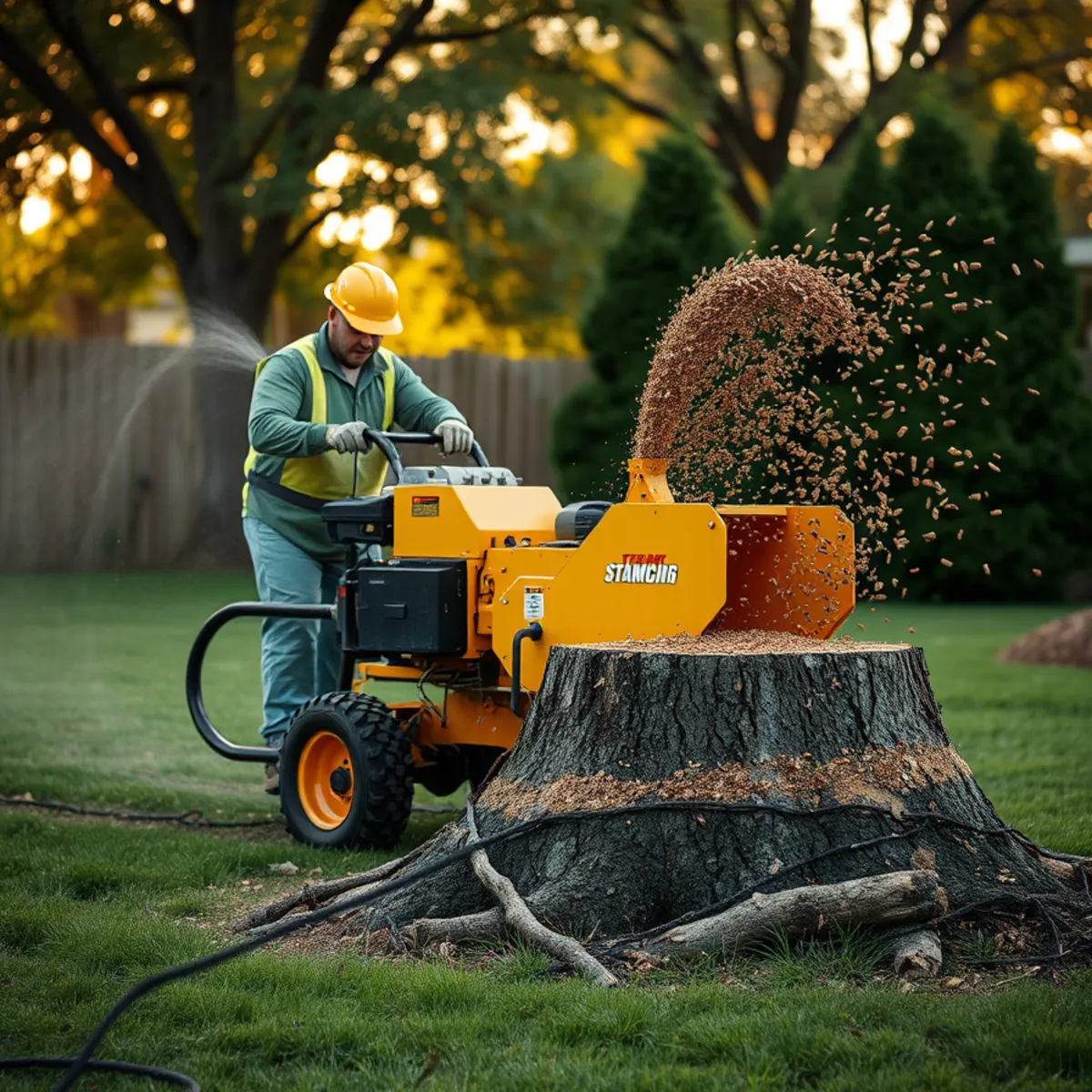
Stump grinding in Fort Worth removes the leftover eyesore after a tree comes down, and Sion Tree Service grinds each stump several inches below grade so the spot is ready for sod, mulch, or a fresh planting. A flush-cut stump that just sits in the yard still trips mowers, sprouts suckers, draws termites and ants, and quietly settles as it rots. Our crew turns that obstacle back into usable lawn the same day in most cases.
Stump grinding in Fort Worth removes the leftover eyesore after a tree comes down, and Sion Tree Service grinds each stump several inches below grade so the spot is ready for sod, mulch, or a fresh planting. A flush-cut stump that just sits in the yard still trips mowers, sprouts suckers, draws termites and ants, and quietly settles as it rots. Our crew turns that obstacle back into usable lawn the same day in most cases.
We work across the entire DFW metroplex on everything from a single crepe myrtle stub to a row of stubborn post oak and cedar elm stumps with thick surface roots. With trained operators and well-maintained grinders, we reach tight backyards through standard gates, protect your sprinkler heads and utilities, and clean up so thoroughly it looks like the stump was never there. Honest, quoted pricing means the number we give you is the number you pay.
What's Included
- On-site evaluation of stump diameter, number, root spread, and access before we start
- Marking and avoiding sprinkler heads, irrigation lines, and visible utilities in the work zone
- Grinding the main stump four to eight inches below grade so the spot can be replanted or sodded
- Grinding protruding surface and lateral roots that ridge through the lawn or buckle walkways
- Multiple-stump and full-row grinding handled in a single visit
- Raking and collecting the wood chips and grindings from the work area
- Backfilling the hole with grindings or full haul-away of debris, your choice
- Final walk-through to confirm the area is clean, level, and ready for your next step
- Optional Texas811 utility-locate request before we grind, so gas, electric, water, and cable lines near the stump are flagged first
- Grinding the chip pile down into the cavity and tamping it so the spot does not leave a soft, sunken pocket in your turf
- Crown-flare and buttress-root reduction on wide live oak and pecan stumps where the flare spreads several feet past the trunk
- Spreading excess grindings as a thin mulch layer over a bed at your direction instead of hauling, when you can use the material
- Cutting the grind deeper to eight to twelve inches in spots where you plan to set sod, run a new irrigation line, or pour a slab
When to Call for Stump Grinding
- A tree was cut down and you are left with a flush-cut stump in the lawn
- Stumps are sprouting suckers or shoots that keep coming back no matter how often you cut them
- Surface roots are ridging through the grass, cracking a sidewalk, or catching your mower deck
- You want to plant new sod, a flower bed, or a replacement tree where the old tree stood
- You have multiple stumps or a fence-line row to clear before a landscaping or hardscape project
- A storm-toppled or freeze-killed tree was removed and the remaining stump is now blocking a fence repair, shed pad, or driveway extension
- You are selling the home and a buyer or inspector flagged a decaying stump near the foundation or septic field
- A live oak, hackberry, or cedar elm stump keeps throwing root sprouts ten or fifteen feet out into the lawn from buried lateral roots
- You need a fence-line or property-line row of stumps cleared before a new fence, retaining wall, or compact-loader grading job
Why Stump Grinding Pays Off
Ground below grade
We grind each stump four to eight inches below the surrounding soil so grass roots, sod, or new plantings can take hold without hitting old wood underneath.
Reclaim usable yard space
Removing the stump and surface roots frees up the footprint for lawn, a flower bed, a patio, or a replacement tree, instead of mowing around a dead obstacle.
Stops regrowth and pests
A ground stump can no longer send up suckers from cedar elm, hackberry, or crepe myrtle, and removing the rotting wood discourages termites, carpenter ants, and fungus near your home.
Surface roots taken down too
We grind out the lateral roots that ridge up through the lawn and crack walkways, not just the trunk, so the area mows and walks smooth again.
Immaculate cleanup
Every job ends with the grindings raked up and hauled away or backfilled into the hole at your choice, leaving the area tidy and ready to use.
Same-day and next-day service
Most stump jobs are quick, so we often grind the same day or next day after your free estimate, with no long waits.
How Our Stump Grinding Works
Free on-site estimate
We come out, measure stump diameter and count, check access and root spread, and give you a clear written price with no obligation.
Mark and protect
Before grinding we flag sprinkler heads, irrigation lines, and utilities, and set up to keep flying chips contained and your property safe.
Grind below grade
Our operator grinds the stump and surface roots several inches below the soil line, working through tight gates and around obstacles as needed.
Cleanup and backfill
We rake up the grindings, then either backfill the hole or haul the debris away, and finish with a walk-through so you approve a clean, level result.
What Drives Your Stump Grinding Cost in Fort Worth
The biggest price factors are stump diameter, the number of stumps, and how easy the equipment can reach them, plus whether you want surface roots ground out and the grindings hauled away versus backfilled. A single small stump in an open yard costs far less than a wide oak or a tight backyard row that needs a gate-access machine. We give every stump job a free, no-obligation estimate up front, and the quoted price is the price you pay.
Stump diameter at grade
Grinders charge by the inch of wood they chew through, so a wide oak or pecan measured across the cut face costs several times what a slender crepe myrtle stub does. We measure at grade, not at chest height, because the flare is what we actually grind.
Number of stumps and root spread
A single stump carries the cost of mobilizing the machine, but each added stump in the same visit is far cheaper than a separate trip. A whole fence-line row priced together is the best value per stump.
Equipment access and gate width
An open front yard lets us bring a larger, faster grinder, while a stump reached only through a standard thirty-six-inch gate needs a compact machine and more time. Backyards behind narrow side yards, decks, or AC units cost more to reach.
Grind depth requested
A standard lawn grind runs four to six inches below grade, but sodding, replanting, or running irrigation calls for eight to twelve inches, which means more passes and time. Deeper always costs more than a flush below-grade cut.
Surface and lateral root grinding
Grinding the ridged roots that buckle walkways and snag the mower adds linear footage beyond the stump itself. Wide-flared live oak, pecan, and hackberry roots add the most because they travel far from the trunk.
Soil conditions and debris handling
Tight North Texas clay, rocky fill, or dry summer ground slows the cut and wears teeth faster than loose bed soil. Hauling the grindings off site costs more than backfilling the cavity, so your cleanup choice also moves the number.
The local details most companies skip — what every Fort Worth homeowner should understand about stump grinding before the work begins.
Why Stump Grinding in Fort Worth Starts With a Utility Locate
A stump grinder cuts a foot or more into the soil, which is deep enough to clip the shallow utilities that run through North Texas yards. Texas law requires a Texas811 locate before any digging or grinding, even when you are working in your own backyard, and the request is free. We treat that step as non-negotiable on stump work near the house, the meter, or the street.
What 811 covers and what it does not
After a request, the public utilities send a locator to paint or flag their lines, usually within about two business days. The catch most homeowners miss is that 811 only marks public lines up to the meter. The private lines on your side, the ones that cause the most grief, are not their job.
- Sprinkler mains and irrigation laterals, often only a few inches down
- Low-voltage landscape lighting and invisible pet-fence wire
- A gas drop running out to a pool heater, grill, or fire pit
- The service line from the meter to a detached garage or shop
Our crew hand-probes and flags those private lines before the grinder ever spins, because a clipped water or irrigation line is exactly how a DFW yard ends up pooling water days later. Grinding blind is cheap right up until it is not.
What Happens to the Hole, the Chips, and Your Lawn After Grinding
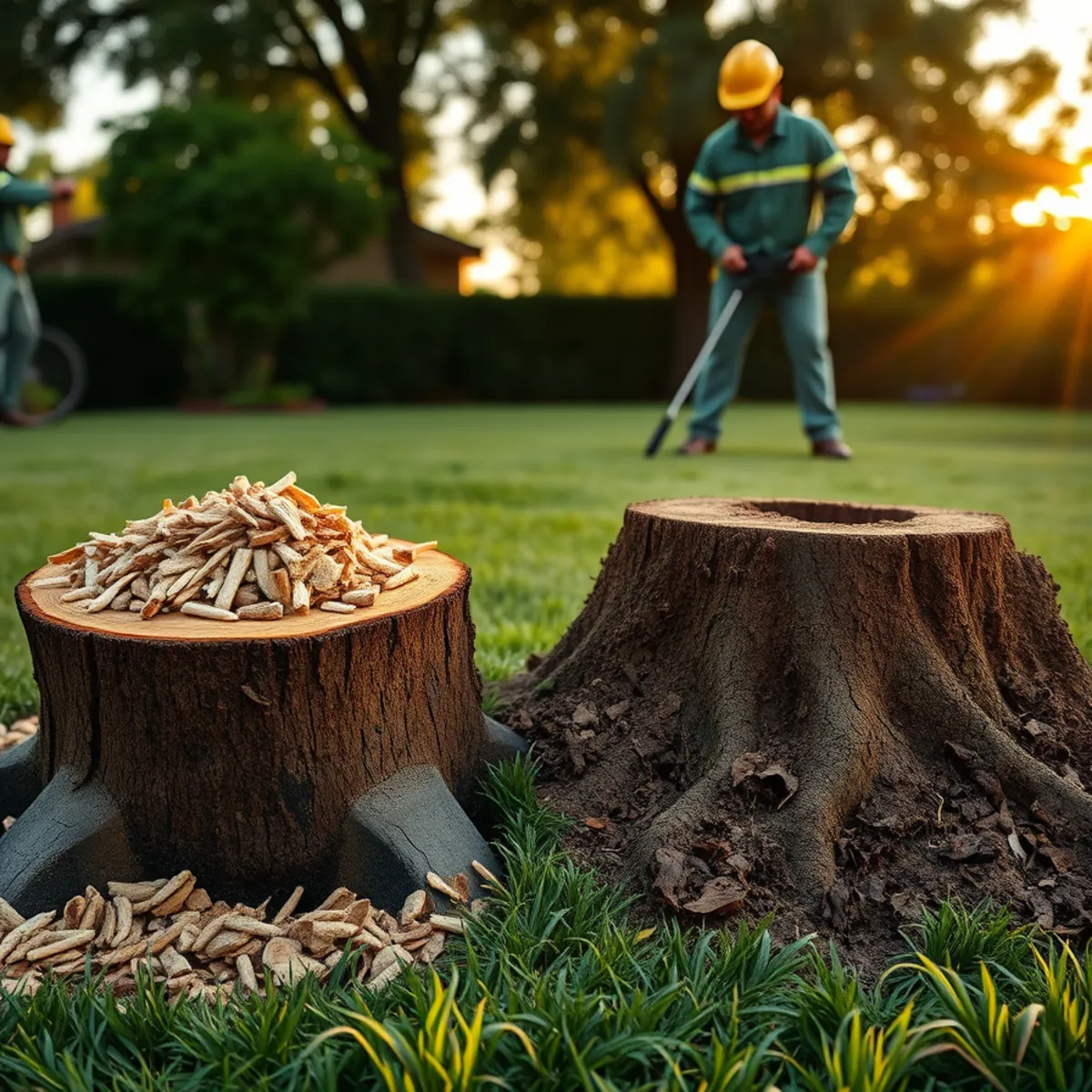
Grinding turns a stump into a cone of wood chips and soil, and what you do with that pile decides whether the spot becomes clean lawn or a sunken, weedy patch. A single mature oak can produce a surprising volume of grindings, far more than the original stump footprint suggests, so the cleanup plan matters as much as the cut.
Backfilling versus hauling the grindings
You choose at the estimate. Backfilling the cavity with the grindings is free and convenient, but raw wood chips settle and shrink for six to eighteen months as they rot, so you should expect to top the spot with topsoil once or twice. If you want immediate clean turf or a planting bed, hauling the grindings off and bringing in soil gives a firmer, more level result.
If you plan to replant in the same footprint
- Decomposing wood pulls nitrogen from the soil, so seed and new plants in a chip-filled pocket often yellow and stall
- Buried chips swing between too wet and too dry, stressing a young root ball or fresh sod
- Shifting a replacement tree a few feet off the old trunk center, or excavating the grindings down to clean soil, gives roots real dirt to grow into
- Excess grindings spread two to three inches thick as surface mulch over a bed feed the soil slowly instead of starving it
We will walk the spot with you and recommend backfill, haul-away, or full soil replacement based on whether you want lawn, a bed, or a new tree there.
Stump Grinding vs. Full Removal for North Texas Hardwoods
Homeowners often ask whether to grind the stump or excavate the entire root system. For the vast majority of Fort Worth yards, grinding is the right call: it is faster, far less destructive to the surrounding turf and irrigation, and it costs a fraction of digging out a full root plate with a loader.
When grinding is the better choice
- You want to reclaim lawn or a bed without tearing up the whole area
- The stump sits near a driveway, walkway, foundation, or sprinkler zone you do not want disturbed
- You are clearing a crepe myrtle, cedar elm, hackberry, or a row of fence-line stumps
- Budget and a quick, clean finish matter more than removing every anchor root
When full excavation may make sense
- You are pouring a foundation, slab, or pool where buried roots cannot remain
- A massive live oak or post oak root plate sits exactly where a structure must go
- You need every trace of a known root-disease or fungal stump pulled, not just ground
Grinding leaves the deep anchor roots in place to rot down naturally, which is normal and rarely a problem for landscaping. The species that occasionally root-sucker after grinding, like hackberry, cedar elm, and some live oaks, run down their reserves within a season or two of clipping. We will tell you straight which method your stump actually needs rather than upselling the more expensive dig.
Smart Homeowner Tips Before You Hire Anyone
A few habits that protect your wallet, your property, and your insurance claim — whether you hire us or not.
Always confirm your tree company places a Texas811 locate before grinding, and ask specifically whether they will hand-probe for private sprinkler and low-voltage lines that 811 does not mark.
Get the grind depth in writing, four to six inches for lawn but eight to twelve where you plan to sod, plant, or run irrigation, so you are not surprised by a shallow stub.
Do not let a crew leave the cavity packed only with raw grindings if you want grass there, since the wood robs nitrogen and the spot settles for months.
Walk the yard and count every stump and surface-root ridge before the estimate, because a fence-line row priced as one visit costs far less than calling the crew back twice.
Ask whether buttress and surface roots are included in the quote, as the flare on a mature live oak or pecan can spread several feet and is the part that keeps catching your mower.
Verify the company is licensed and insured and ask for a certificate of insurance, especially for any stump close to your foundation, driveway, or a neighbor's fence.
Stump Grinding Across Fort Worth & DFW
Serving Fort Worth and the surrounding Dallas–Fort Worth metroplex, seven days a week.
Fort Worth neighborhoods we work in often:
Trusted by Local Homeowners
“Sion Tree Service did an outstanding job trimming the trees at my home. The crew of 6 came in and quickly removed all the dead limbs and trees that needed to come out. Their cleanup was amazing! Highly recommend them!”
“Very fast work, arrived right on time, workers very professional and cleaned up before leaving. The price was what was quoted. I'd recommend them to anyone needing tree trimming. I'll be using them again!”
“Great communication and super responsive. Squeezed me in the next day and did an awesome job removing and grinding a large tree that had fallen in a storm. Have used them twice with great service both times.”
Stump Grinding FAQs
We typically grind four to eight inches below the surrounding grade, deeper where you plan to sod or replant. That removes enough wood for grass and roots to establish, though grinding does not pull out every deep anchor root, which is normal and rarely a problem for landscaping.
You choose. We can backfill the hole with the grindings, which settle over time and can be topped with soil, or we can rake up and haul the debris away so you start with a clean spot. Either way we clean the area before we leave.
Yes. We handle single stumps, full fence-line rows, and tight backyard stumps reached through a standard gate. During the free estimate we confirm access so we bring the right grinder and quote it accurately the first time.
We can grind the protruding lateral and surface roots that ridge through your lawn, catch the mower, or buckle a walkway. Removing those along with the stump is what makes the area smooth and easy to mow again, and we discuss the root extent with you up front.
Cost depends mainly on stump diameter, how many stumps you have, equipment access, and whether you want roots ground and debris hauled. Rather than guess, we give a free on-site estimate and a firm quote, so you know the exact price before any work begins.
Yes, and Texas law requires it before any digging or grinding, even on your own property. We can place the free Texas811 locate request so the utilities mark gas, electric, water, and cable lines, which usually takes about two business days; private lines like sprinkler mains, low-voltage lighting, and a gas drop to a pool heater are not covered by 811, so we probe and flag those by hand. Grinding blind over a shallow water or irrigation line is exactly how homeowners end up with a pooling yard and a repair bill.
You can replant nearby, but planting straight into a fresh chip-filled cavity is risky because decomposing wood pulls nitrogen out of the soil and the backfill keeps settling for six to eighteen months. For a replacement tree we recommend shifting a few feet off the old trunk center, or excavating the grindings and bringing in clean topsoil so the new root ball sits in real soil, not a pocket of mulch. We will tell you honestly which approach fits your spot during the estimate.
North Texas blackland clay packs tight around the root collar and dulls grinder teeth faster than sandy soil, which can add noticeable time on a big oak or pecan. Heavily compacted or rocky ground near a driveway or old foundation slows the cut further, so an open stump in loose bed soil grinds quicker than the same diameter buried in dry summer clay. We factor soil and access into the quote up front so the price does not change mid-job.
Grinding removes the stump and the wood the tree needs to push new top growth, so most stumps never sprout again. Vigorous root-suckering species like hackberry, cedar elm, and some live oaks can still send shoots from buried lateral roots for a season or two, which mow or clip off easily and die out as the root reserves run down. If a stump has been suckering aggressively, we will grind the worst surface roots and tell you what to watch for.
We price per job, not per guess, and the main drivers are stump diameter at grade, how many stumps, equipment access through your gate, grind depth, and whether you want surface roots ground and debris hauled. A single eighteen-inch crepe myrtle in an open front yard sits at the low end, while a forty-inch oak with a wide flare in a tight backyard reached through a thirty-six-inch gate costs more because of the machine and time involved. Every stump job gets a free on-site estimate, and the quoted number is what you pay.
Related Tree & Yard Services
Ready for Stump Grinding in Fort Worth?
Call Sion Tree Service for stump grinding done safely, affordably, and cleanly — with a free, no-obligation estimate.
Open daily 6 AM–7 PM · Serving Fort Worth & the DFW metroplex