Land Clearing Cost and Process in Tarrant and Parker County
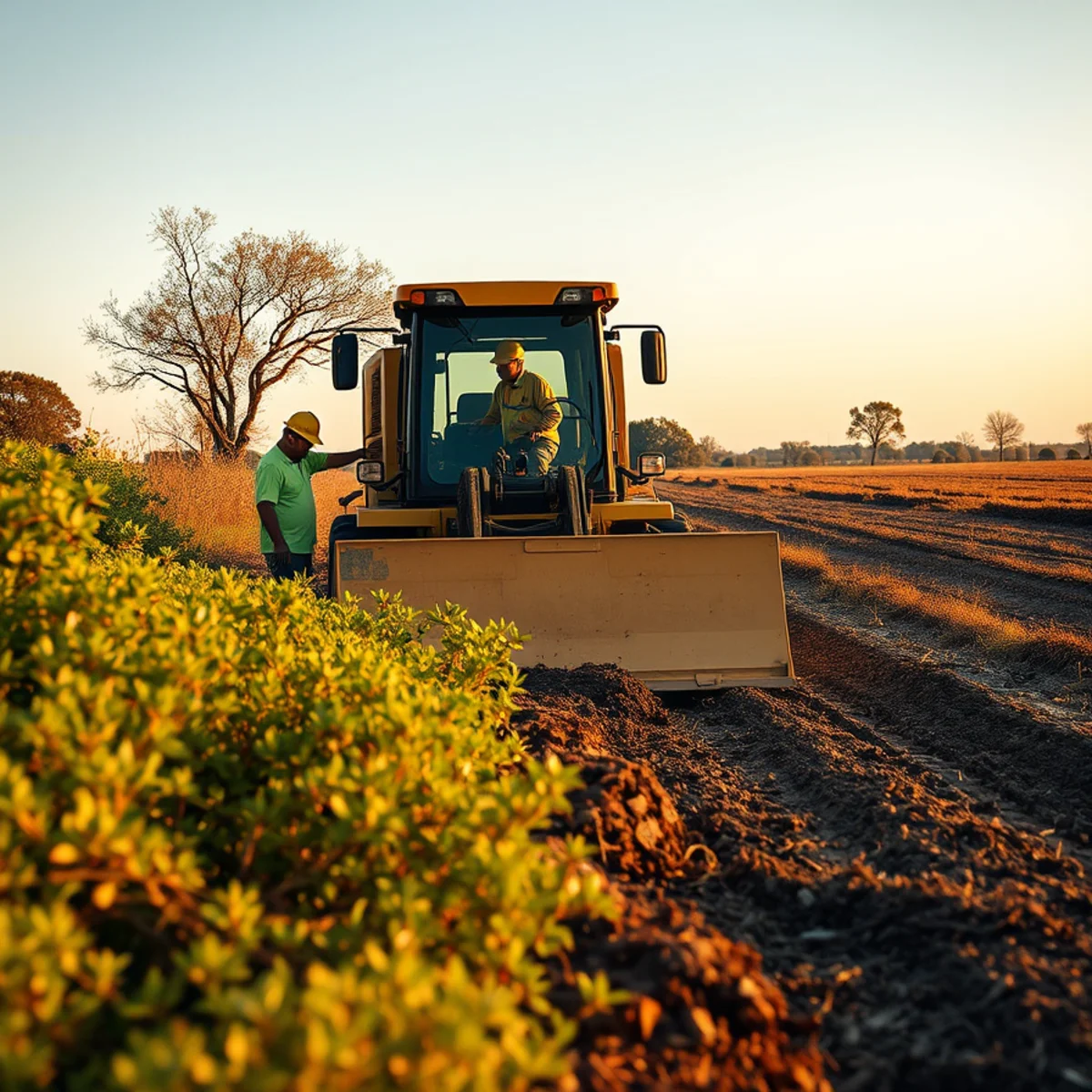
Whether you are prepping a lot for a new build in Fort Worth, opening up a brushed-over pasture near Weatherford, or reclaiming a back acre swallowed by cedar and hackberry, land clearing is rarely as simple as it looks from the road. The cost depends less on the size of the parcel and more on what is actually growing on it, what is under the soil, and where the debris has to go.
This guide walks through the methods we use across Tarrant and Parker County, the real factors that move the price, and what to expect on permits, erosion control, and timeline. We keep dollar talk in honest ranges because no two lots in North Texas clear the same.
Common land clearing methods in North Texas
There is no single way to clear a lot. The right approach depends on the density of growth, the size of the trees, the terrain, and what you plan to do with the ground afterward. Most jobs in the DFW metroplex use one or a blend of these:
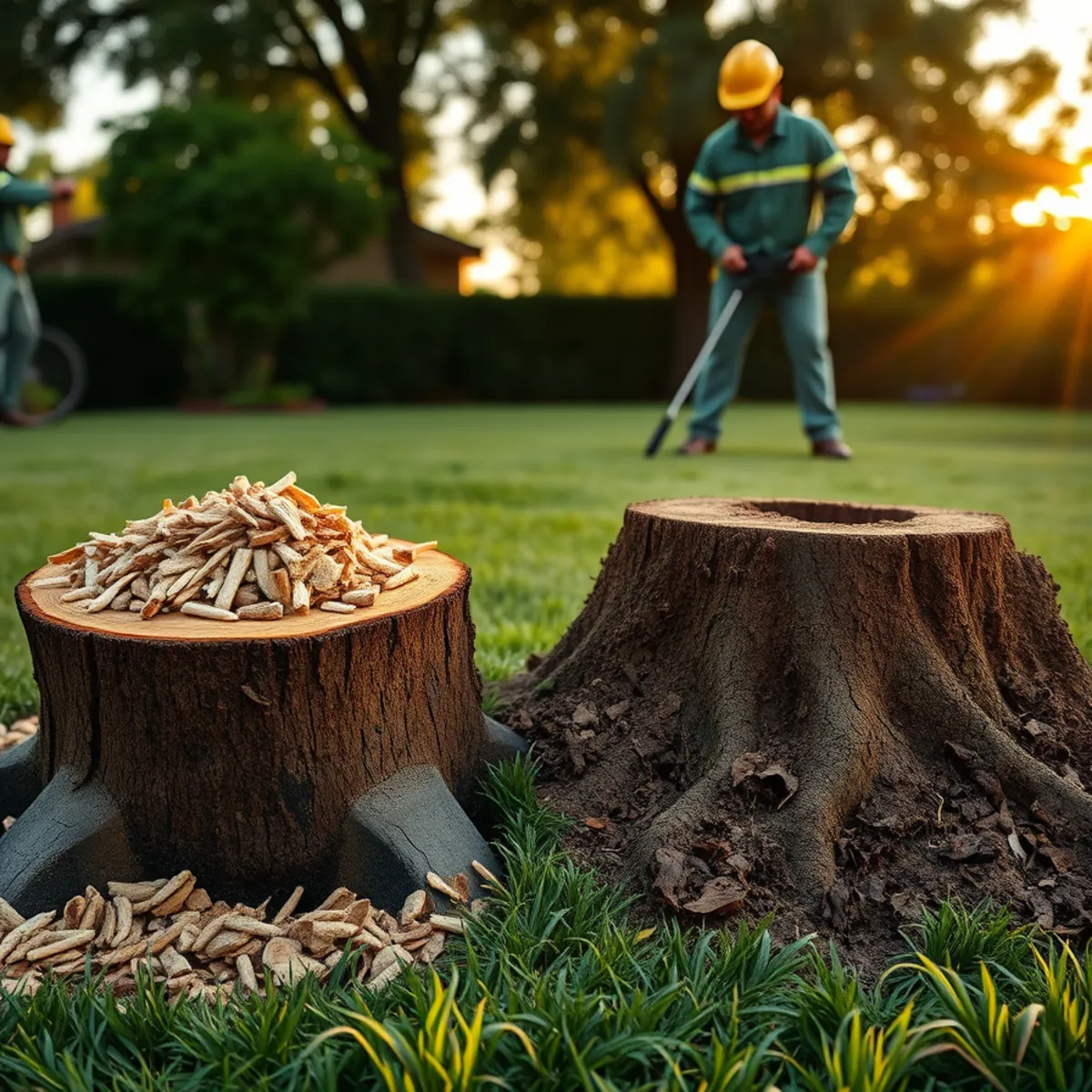
- Forestry mulching: a single machine grinds brush, small trees, and undergrowth into mulch left on site. Fast and low-impact, ideal for cedar thickets and overgrown understory.
- Hand clearing with a crew: selective work around structures, fences, septic, or trees you want to keep. Slower but precise.
- Grubbing and grading: removing stumps and roots and leveling the ground when you need buildable, plantable, or drivable dirt.
- Mechanical removal: excavators and skid steers for larger trees, heavy stumps, and dense post oak or live oak that mulching cannot handle.
- Selective clearing: leaving healthy live oaks, pecans, and bur oaks for shade and value while removing scrub, dead wood, and invasive growth.
On a lot heavy with Ashe juniper (what most folks call cedar) and hackberry, forestry mulching often does the most work for the least money. When mature hardwoods and stumps are involved, mechanical removal and hauling drive the cost up.
What drives the per-acre cost
Two parcels can be the same size and clear for very different numbers. These are the factors that matter most in Tarrant and Parker County:
- Density of growth: light brush clears far faster than a wall of cedar and tangled understory.
- Tree size and species: mature post oak, live oak, and pecan take more equipment and time than scrub.
- Stumps and roots: leaving stumps is cheaper; full grubbing for a build site costs more.
- Terrain and access: rocky limestone, slopes, creek bottoms, and tight gate access all slow a crew down.
- Debris volume and disposal: more material means more grinding, hauling, and dump fees.
- Acreage scale: per-acre rates usually drop on larger acreage tracts versus a single residential lot.
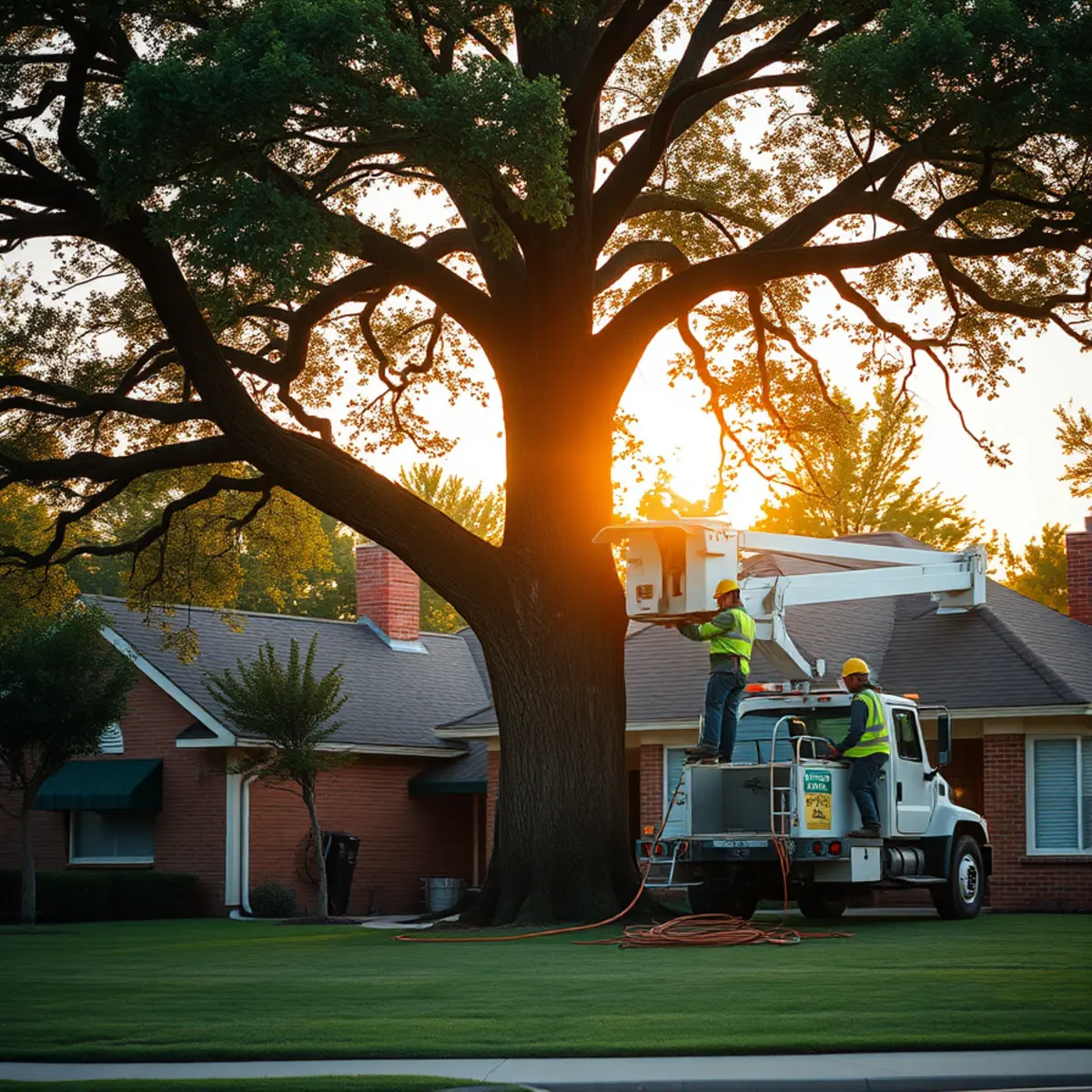
Parker County land tends to carry more cedar and shallow limestone rock, which can favor mulching but complicate grubbing. Tarrant County residential lots are often smaller with structures, fences, and utilities close by, which means more careful, hand-finished work.
Permits, erosion control, and tree ordinances
Clearing rules in North Texas vary by jurisdiction, so this is worth a quick call before any equipment rolls. A few things to keep in mind:
- City lots inside Fort Worth and other municipalities may fall under tree preservation or land disturbance rules; rural Parker County acreage is usually less restricted.
- Disturbing larger areas can trigger stormwater and erosion-control requirements, such as silt fencing, to keep sediment out of creeks and storm drains.
- Work near floodplains, creeks, or drainage easements often carries extra review.
- Underground utilities should be located before any grubbing or grading begins.
We help homeowners and landowners understand what their specific property is likely to require and plan the work to keep the site stable, especially given North Texas expansive clay soil and our heavy spring storm runoff.
A note on oaks and timing
If you are doing selective clearing and keeping live oaks or red oaks, timing matters. Oak wilt spreads most aggressively when oaks are wounded between February and June, so we avoid pruning or cutting healthy oaks during that window whenever possible. Any fresh cuts on oaks should be sealed promptly. Clearing brush and non-oak species can proceed year-round.
Timeline: what to expect
Most residential lots and small acreage jobs in the DFW area move quickly once scheduled. A walkthrough and estimate come first, then the actual clearing. Rough expectations:
- A standard residential lot of light to moderate growth: often a single day.
- One to a few acres of mixed brush and trees with mulching: typically a day or a few days.
- Larger acreage with grubbing, grading, and haul-off: a week or more depending on density and weather.
North Texas weather is the wild card. Wet clay turns a site to mud and can pause grading, so we plan around the forecast and our crews respond fast to keep jobs on schedule.
What actually gets hauled away
One of the biggest differences between a clean job and a headache is what happens to the debris. Depending on the method, material is either ground into mulch and spread on site or loaded out entirely. On a haul-away job we remove trunks and large limbs, brush and undergrowth, stumps when grubbing is included, and the scattered yard waste that comes with it. We finish the way we finish every job: the site raked down and cleaned up like we were never there, not a lot full of piles waiting on someone else.
Get a clear, honest estimate
Because land clearing pricing hinges on what is actually on your property, the only accurate number comes from someone standing on the dirt. Sion Tree Service is locally owned, licensed and insured, and serves Tarrant and Parker County and the wider DFW metroplex. Call us at (208) 635-2100 for a free estimate, and we will walk your property, talk through the right method, and give you a quoted price that holds.
Burning the debris: why it is rarely the right call in DFW
Folks who grew up on rural land often assume the cheapest way to deal with a cleared brush pile is to light it. In Tarrant and Parker County that math almost never works out anymore. Outdoor burning for land clearing is heavily restricted, and Texas rules say burning is only an option when there is no practical alternative such as mulching, chipping, or hauling to a landfill. With a forestry mulcher on site, a practical alternative always exists, which is exactly why mulching and haul-off have become the standard.
Even where a burn is technically allowed, the conditions are strict and the window is narrow. Most local jurisdictions require a permit and an inspection before you light anything, and the rules typically include limits like these:
- A burn ban shuts everything down, and Tarrant, Parker, Johnson, and Denton counties issue them often through our dry summers and droughts.
- Only material grown on that same property may be burned, and only domestic trimmings such as grass, leaves, and branches, not stumps or treated wood.
- Pile size, a cleared safety perimeter, wind-speed limits often around 15 mph, and daylight-only burning all apply.
- Cities such as Azle require a written request and a site inspection by the fire marshal before approval.
Beyond the red tape, a smoldering pile near homes, fence lines, and Oncor lines is a liability most landowners do not want. Grinding the same material into mulch keeps the nutrients on your dirt and the fire department off your driveway.
What to do with the ground once it is bare
Clearing is only half the job. The day the brush comes off, you are left with exposed Blackland or sandy-loam soil that was protected by roots and canopy for years, and our spring storms do not wait for you to figure out the next step. Bare clay on any slope will channel water and start cutting rills the first time a North Texas downpour rolls through. Planning the after-clearing stage up front saves you from watching your topsoil end up in the creek.
A few things worth lining up before the equipment leaves:
- Stabilize bare soil fast: native grass seed, a cover crop, or an erosion-control blanket on slopes holds the dirt while roots establish.
- Account for settling: freshly grubbed and backfilled ground will settle for weeks, so do not pour a slab or set posts on it until it has been compacted in lifts and given time.
- Keep positive drainage: grade the surface to slope away from any structure or pad, not toward it, so water sheds instead of ponding on expansive clay.
- Hold your silt fencing in place until vegetation takes, especially near drainage easements and creek bottoms.
Mulch left on site is not just waste
When we forestry-mulch a lot, that ground-up layer is doing real work, not sitting there as litter. A blanket of mulch shields bare soil from raindrop impact, slows runoff, holds moisture through our dry stretches, and breaks down into organic matter that heavy clay badly needs. On a pasture-reclamation or thinning job, leaving the mulch in place is often the smartest and cheapest erosion control you can get.
FAQs
There is no flat per-acre price. Cost depends on growth density, tree size and species, whether stumps are removed, terrain and access, and how much debris is hauled. Lightly brushed land clears far cheaper than dense cedar thickets or mature hardwoods with full grubbing. The most accurate number comes from an on-site estimate, which we provide free.
It depends on the jurisdiction. City lots may fall under tree preservation or land-disturbance rules, and larger disturbed areas can trigger stormwater and erosion-control requirements. Rural Parker County acreage is usually less restricted. We help you understand what your specific property is likely to need before work begins.
Both options are available. Forestry mulching grinds brush and small trees into mulch that stays on site, which is fast and economical. For a fully cleared, buildable lot we haul off trunks, limbs, brush, and stumps and clean the ground down. We will recommend the right approach for your goals during the estimate.
Usually not, and rarely without a permit. Texas rules only allow burning for land clearing when no practical alternative like mulching or hauling exists, and counties across DFW issue frequent burn bans through dry months. Most cities also require a fire-marshal permit and inspection first, so grinding or hauling the debris is almost always the simpler and safer route.
Stabilize the bare soil before the next storm. On exposed North Texas clay, that means seeding native grass or a cover crop, laying erosion-control blanket on any slope, and keeping silt fencing up until vegetation establishes. If you are building, let freshly grubbed ground settle and get compacted in lifts before pouring anything.
No, it is usually a benefit. The mulch layer protects bare soil from rain impact, slows runoff, retains moisture, and breaks down into organic matter that improves our heavy clay over time. For thinning and pasture jobs it doubles as built-in erosion control at no extra cost.