How to Prepare Your Yard for Sod Installation
New sod can transform a tired, patchy lawn into solid green turf in a single day. But the part that decides whether that sod thrives or dies isn't the laying, it's the prep underneath. In our North Texas clay, with summer heat that arrives early and stays late, sod laid over compacted, uneven, or poorly draining ground tends to brown out within weeks no matter how good the rolls looked on delivery day.
This guide walks through how to prepare your yard for sod installation here in the Fort Worth area, step by step. Do the groundwork right and your new lawn knits in fast, drains well, and stands up to DFW summers. Rush it and you'll be replacing sod next spring.
Start by removing the old grass and debris
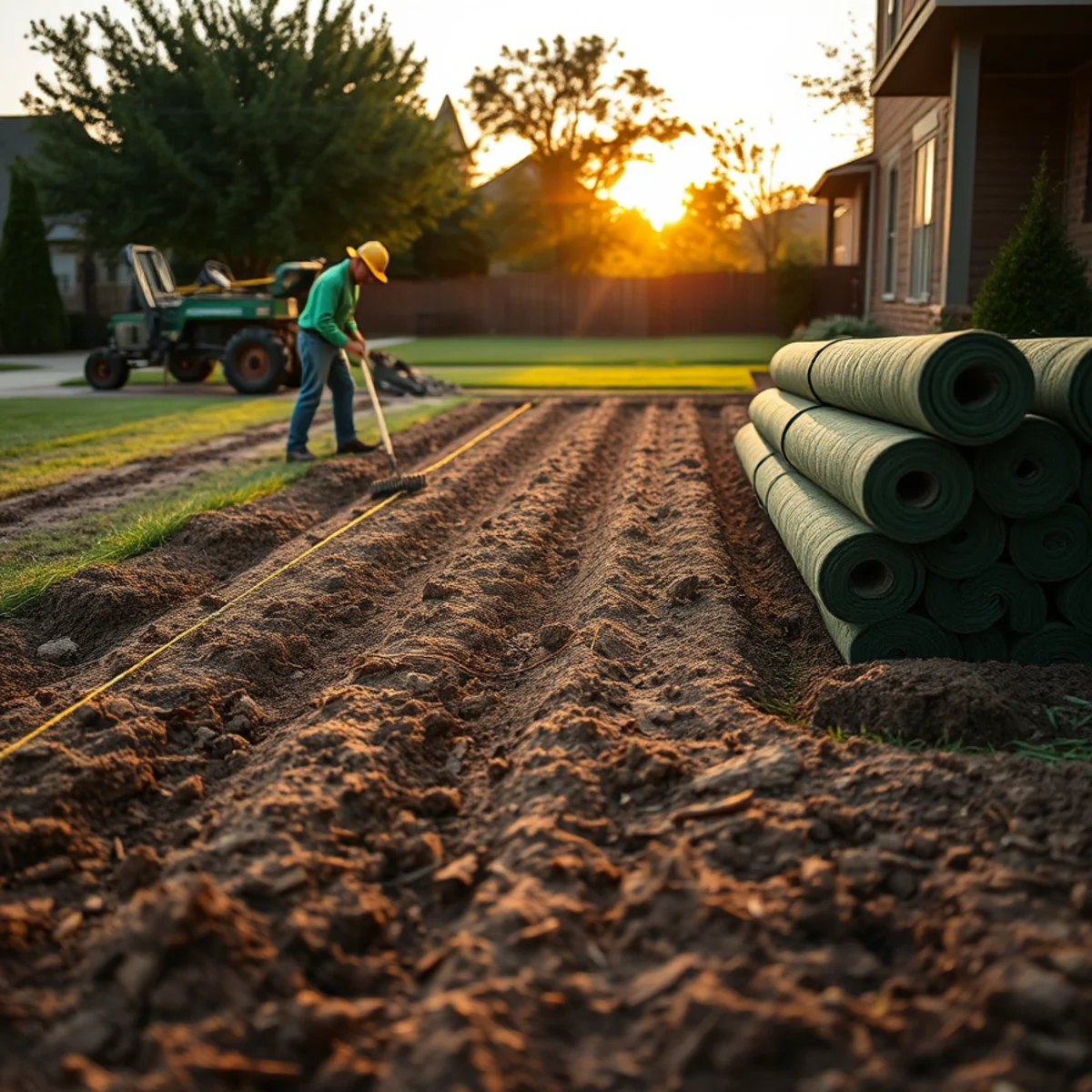
Sod needs to make contact with bare, prepared soil. You can't lay it over existing turf or weeds and expect roots to reach the ground. Clear the area down to soil first.
- For small areas, a sharp spade or manual sod cutter strips the old turf in sections you can roll up and haul off.
- For larger lawns, a powered sod cutter set to skim just under the root layer saves your back and gives a cleaner, more even base.
- Pull out rocks, roots, old landscape fabric, and construction debris. Leftover Bermuda or nutsedge runners will push right back up through fresh sod, so get the roots, not just the tops.
- If a stump or large surface roots are in the way, those need to be ground out and removed before grading so the finished surface stays level.
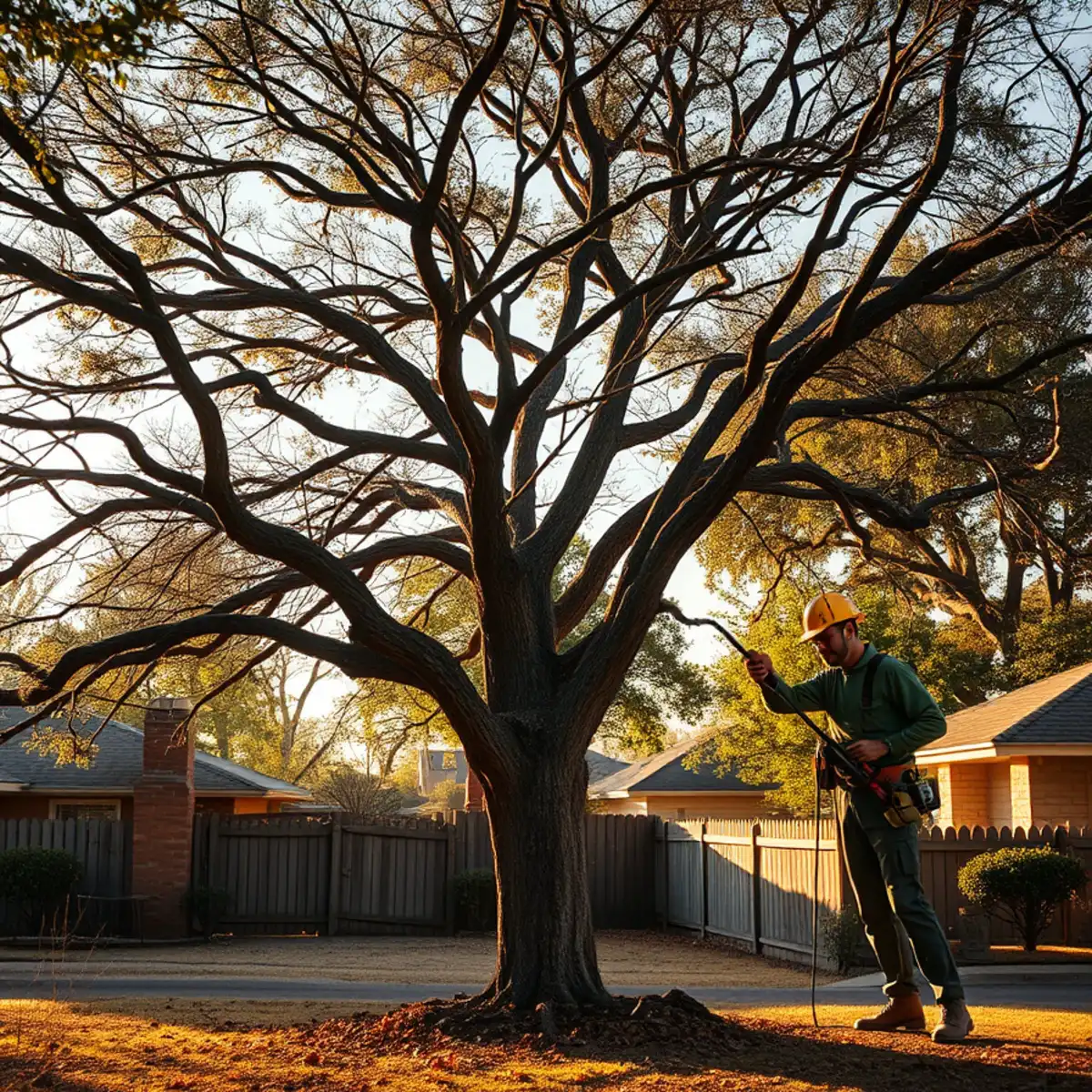
This is also the moment to clear away any tree limbs, brush, or storm debris that's been sitting on the lawn. A clean, open site makes every step that follows faster and more accurate.
Test and amend the soil
Most Fort Worth yards sit on heavy, expansive clay. Clay holds nutrients well but compacts hard, drains slowly, and swells and shrinks with our wet-dry cycles. That's a tough rooting environment for new sod, so a little soil work pays off for years.
A basic soil test tells you your pH and what your ground is short on. The Texas A&M AgriLife Extension office runs affordable soil testing, and it takes the guesswork out of what to add. North Texas soils often run slightly alkaline, which is worth knowing before you choose a grass and a fertilizer.
- Loosen the top few inches with a tiller or hard rake so roots can penetrate instead of hitting a compacted pan.
- Work in two to three inches of quality compost to improve drainage, feed soil life, and help clay hold structure.
- Mix in a starter fertilizer matched to your soil test results, not a guess.
- If the test flags a pH or nutrient problem, correct it now, while the amendments can actually be tilled in, rather than fighting it later through an established lawn.
Grade for drainage, then level
Grading and leveling are where most do-it-yourself sod jobs go wrong. Grading is about slope: water has to move away from your house and off the lawn, not pool against the foundation. On our expansive clay, standing water and a foundation are a bad combination.
Aim for a gentle, consistent fall away from the home, roughly a couple of inches of drop over the first ten feet. Fill low spots that collect water and knock down high spots that the mower will scalp. Pay attention to where roof downspouts release and make sure that water has a clear path to the street, a drain, or a swale.
Once the slope is right, level the surface. Rake the soil smooth, break up clods, and remove any remaining rocks. Then lightly firm the bed, a water-filled lawn roller or even just walking it works, so the sod sits on stable ground instead of sinking into soft pockets that turn into ruts. The goal is a firm, smooth, slightly settled surface with no footprints sinking in.
Choose the best sod for North Texas
The grass you pick has to survive DFW heat, occasional drought restrictions, and whatever sun or shade your yard actually gets. Match the sod to the site, not to a photo.
- Bermuda thrives in full North Texas sun, handles heat and foot traffic, and recovers fast, but it needs real sun and won't hold up in shade.
- Zoysia gives a dense, fine-textured lawn with better shade tolerance than Bermuda and good drought hardiness once established, though it's slower to fill in.
- St. Augustine is the go-to for shadier yards under live oaks and pecans, with broad blades and good shade tolerance, but it's thirstier and less cold-hardy.
- Buffalograss is a tough native option for low-water, full-sun areas where you want minimal upkeep.
Lay sod fresh. It's a perishable product, so schedule delivery for the day you're ready to install, not days ahead while it cooks on a pallet in the heat.
Lay it, then water on a real schedule
Stagger the seams like brickwork, butt the edges tight without overlapping, and roll the finished lawn to press roots into contact with the soil. Then watering becomes the single most important thing you do for the next few weeks.
- Days 1 through 14: water lightly two to three times a day to keep the sod and the soil beneath it consistently moist. New sod has almost no roots and dries out fast in our heat.
- Weeks 2 through 3: as roots take hold, cut back to once a day with a bit more water each time, encouraging roots to chase moisture downward.
- After about three to four weeks: shift to deep, infrequent watering, longer soaks a couple of times a week, to build a deep, drought-tolerant root system.
- Water early in the morning to limit evaporation and reduce disease, and check your local watering-day restrictions, which DFW cities adjust seasonally.
Stay off the new lawn while it roots. Tug-test a corner after a couple of weeks: when the sod resists lifting, roots have taken and you can ease back the watering and mow for the first time, removing no more than a third of the blade height.
Aftercare that keeps the lawn alive
The first season sets the lawn up for years. Hold off on heavy fertilizing until the sod is rooted and you've mowed a few times, then feed on a schedule suited to your grass type. Watch for dry edges and corners, which lose moisture first, and water those by hand if needed. Keep mower blades sharp so you cut the grass cleanly instead of tearing stressed new turf.
Prepping a yard for sod is real work, and the grading and drainage piece in particular is easy to get wrong on Fort Worth clay. If you'd rather have it done right the first time, with the old grass hauled off, the bed properly graded and amended, and the site left clean like we were never there, Sion Tree Service can help. We're locally owned, licensed and insured, and we'll walk your yard, talk through the best sod for your conditions, and give you an honest quote. Call us at (208) 635-2100 for a free estimate.
Sort out irrigation before the sod arrives
In most established Fort Worth and Arlington neighborhoods, an in-ground sprinkler system is already part of the yard, and the single most overlooked prep step is making sure it works and sits at the right height before a single roll goes down. New sod needs water within the hour, and our July heat does not wait for you to troubleshoot a stuck valve. Run every zone while the ground is still bare, watch for heads that mist, tilt, or do not pop, and fix them while you can actually reach the pipe.
Height matters as much as function. Sod adds roughly an inch to an inch and a half on top of your prepared bed, so heads that sit flush with bare dirt will end up buried and spraying into grass instead of over it. The cleaner sequence on clay is rough grade, then irrigation, then final grade, setting the spray heads so they finish a touch above the new sod surface.
- Run a full system test on bare soil and flag every head that leaks, leans, or fails to rotate, then repair it before grading.
- Raise or add riser extensions so spray heads finish slightly proud of the sod, not sunk under it where the mower clips them.
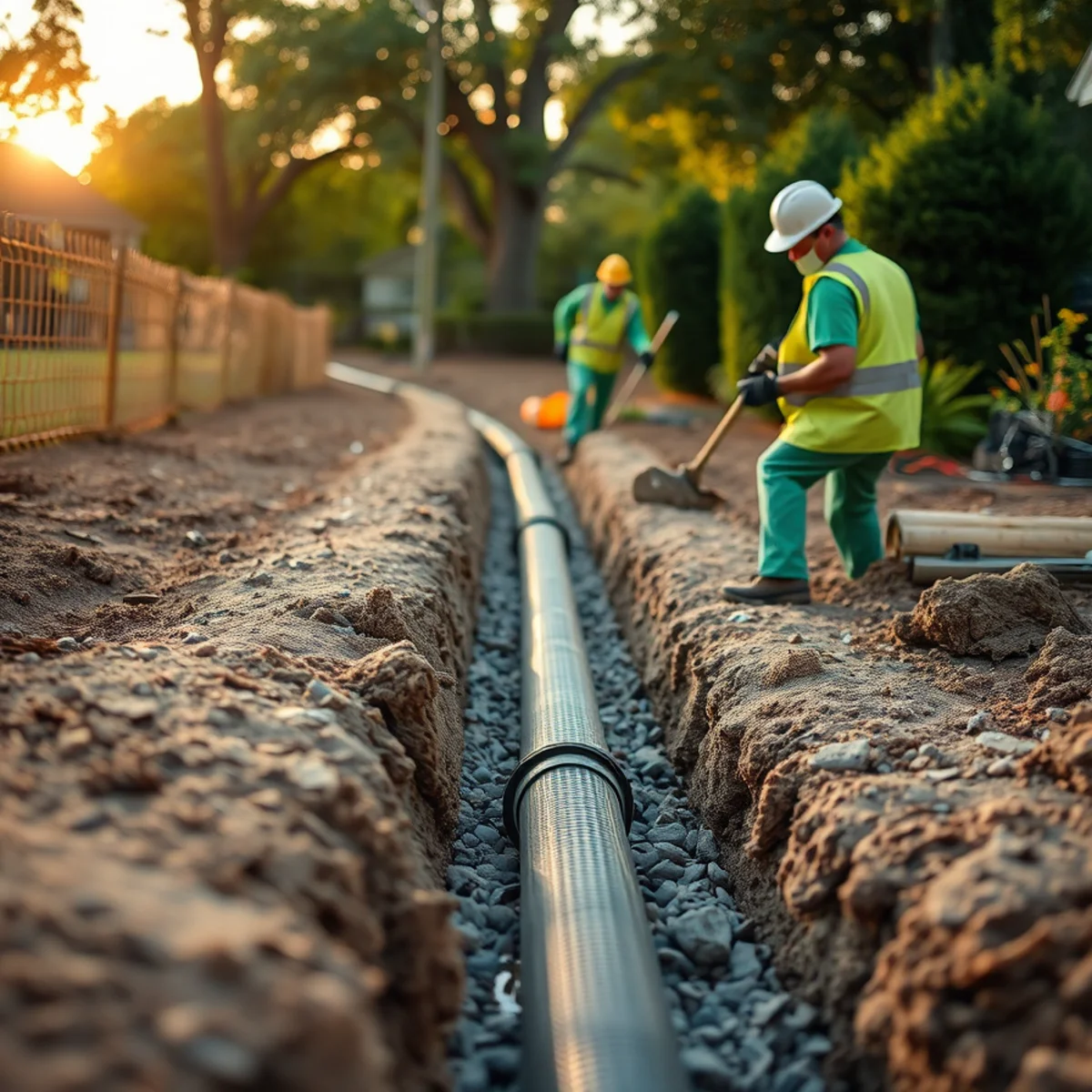
- If you are trenching for a new system or repairs, do that digging before final grade so backfilled trenches can be re-leveled and firmed, not left as settling ruts under the sod.
- Confirm your controller actually runs the short, frequent cycles new sod needs, since many programs are set for established-lawn schedules that will starve fresh rolls.
No in-ground system? Map out where hoses and sprinklers have to reach before install day. A yard with a shaded back corner under a live oak and a baking west-facing strip will not water evenly off one oscillating sprinkler, and dry corners are the first thing to brown out on new sod.
Measure the yard and order the right amount
Running short halfway through a job means bare seams baking in the sun while you wait on a second delivery, and ordering way over means paying for pallets that wilt before you can lay them. A few minutes with a tape measure up front saves both headaches.
Break the lawn into simple rectangles, measure length times width for each in feet, and add them up for your total square footage. For circles and odd curves around beds, trees, or a patio, square them off and round up rather than trying to be exact. Then add ten percent for waste, because every cut around a sidewalk, tree ring, or flower bed leaves a scrap you cannot reuse, and our irregular Texas lot lines generate plenty of cuts.
- A standard pallet holds about 450 square feet of sod and realistically covers closer to 425 once you account for trimming.
- Order grass type by site, not by price, since cheaper Bermuda is wasted in a shady yard that really needs St. Augustine.
- Schedule delivery for install morning, not days ahead, so the rolls go down fresh instead of cooking and yellowing on the pallet in DFW heat.
- Line up enough hands to lay a full pallet the same day it lands, because sod left rolled up past a hot afternoon starts heating and dying from the inside.
If your yard has heavy tree cover, mixed sun and shade, or a slope that funnels runoff, those conditions change both how much sod you need and which variety actually survives, and they are worth walking with someone who installs in this soil regularly before you place the order.
FAQs
Late spring through early fall is ideal, when warm-season grasses like Bermuda and Zoysia are actively growing and root in quickly. Avoid installing during the peak of a heat wave or hard freeze, since extreme conditions stress new sod before it can establish. Spring and early fall give roots the most comfortable window to take hold.
In most North Texas yards, yes. Our expansive clay compacts hard and drains slowly, which makes it tough for new roots to penetrate. Loosening the top few inches and working in compost improves drainage and root growth, and a soil test tells you exactly what else to add. Skipping this step is a common reason new sod struggles.
Stay off the lawn for the first two to three weeks while roots establish. When a tug on a corner meets firm resistance, the sod has rooted and you can mow for the first time, removing no more than a third of the blade height. Until then, foot traffic shifts the rolls and breaks fragile new roots.
Yes. Test every zone and fix or adjust heads while the soil is still bare and the pipe is easy to reach, and set spray heads to finish slightly above the new sod so they are not buried. New sod needs water within about an hour of going down, so a working, correctly-set system has to be ready before install day, not after.
Break the lawn into rectangles, multiply length by width in feet for each, add them together, then add about ten percent for waste from cuts around trees, beds, and sidewalks. A standard pallet covers roughly 425 to 450 square feet after trimming, so divide your total by that to estimate pallets. Irregular lots with lots of curves need the higher end of the waste allowance.
No. Pre-emergent herbicides stop new root and cell growth, which is exactly what fresh sod is trying to do, so they can stall or kill it. Spray out existing weeds and old grass with a non-selective product before you strip the yard, then hold off on any pre-emergent until the sod is fully rooted, which for warm-season grass generally means waiting close to a year.