
Storm Damage Cleanup in Fort Worth, TX
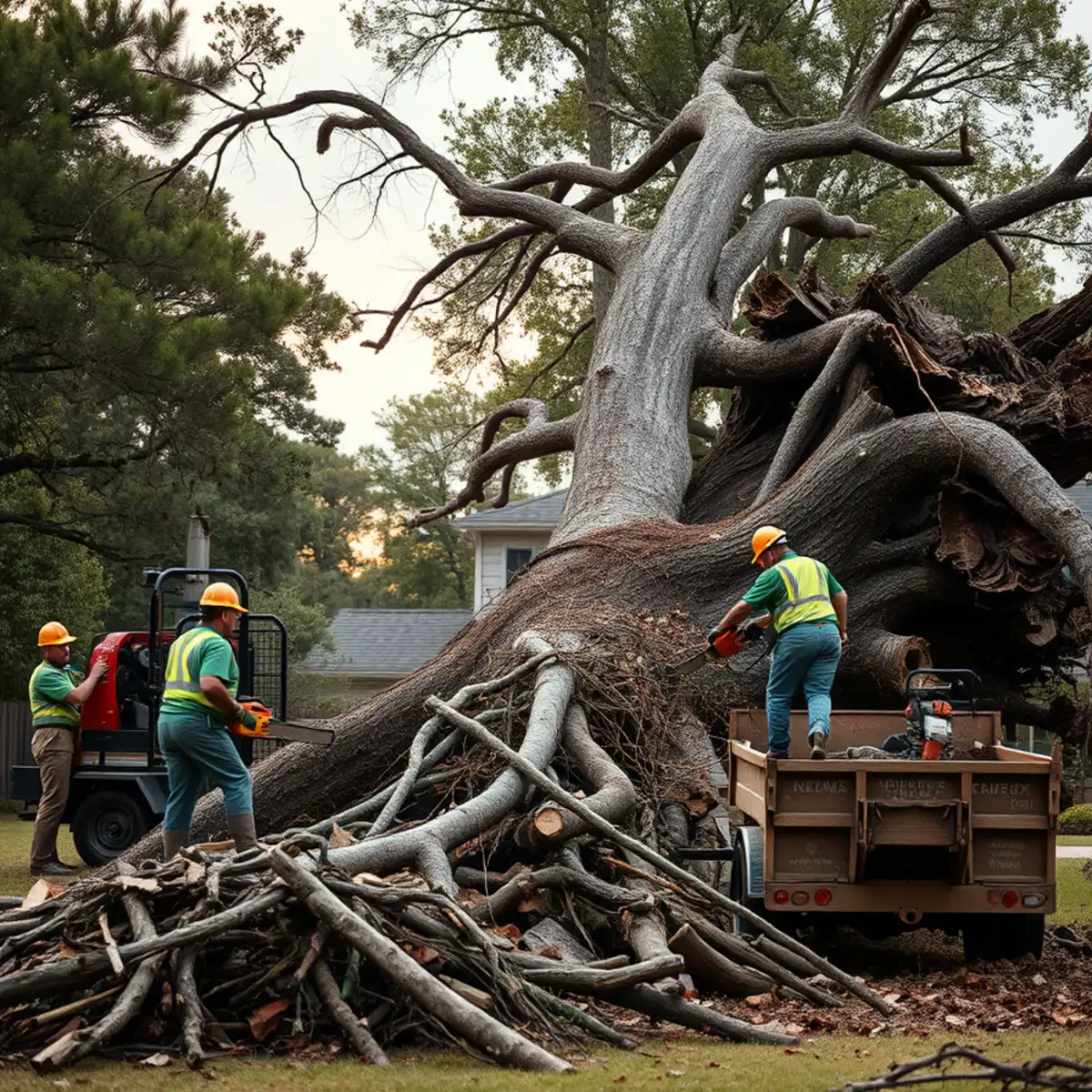
When North Texas weather turns violent, Storm Damage Cleanup in Fort Worth is the service homeowners and property managers call to make their yard safe again. Spring hail, straight-line winds, and the soaked clay soil that loosens root plates can drop limbs or whole trees across driveways, fences, roofs, and power lines in minutes. Sion Tree Service responds fast, often same-day or next-day, to clear the danger and haul off every piece of debris.
When North Texas weather turns violent, Storm Damage Cleanup in Fort Worth is the service homeowners and property managers call to make their yard safe again. Spring hail, straight-line winds, and the soaked clay soil that loosens root plates can drop limbs or whole trees across driveways, fences, roofs, and power lines in minutes. Sion Tree Service responds fast, often same-day or next-day, to clear the danger and haul off every piece of debris.
After a storm, the priority is safety: a hung-up limb, a split fork, or a leaning trunk can fail again at any moment. Our trained climbers assess each hazard before we cut, work methodically around structures and utilities, and document the damage so you have what you need for an insurance claim. When we leave, your property is clear, raked, and tidy, like we were never there.
What's Included
- Emergency removal of fallen and hung-up limbs threatening people, vehicles, or structures
- Removal of uprooted or storm-snapped trees, including those leaning on roofs or fences
- Careful cutting around houses, fences, sheds, and other structures to limit further damage
- Safe work near power lines and utilities, coordinating with the utility when a line is involved
- Sectional take-down of split or cracked trees that are no longer structurally sound
- Full haul-away of logs, branches, and brush from the property
- Raking and ground cleanup of leaves, twigs, and storm scatter in the work area
- Photo documentation and a written scope summary to support your insurance claim
- Emergency tarping and limb support to stabilize a tree resting on a roof or fence until full removal can be staged safely
- Crane-assisted rigging and sectional lowering for large oaks, pecans, or hackberries dropped across structures in tight DFW lots
- Stump grinding and root-plate cleanup where an uprooted tree tore up turf, walkway, or fence-line clay
- Sorting and bundling of storm brush to City of Fort Worth pickup specifications when you want curbside haul-off instead of full removal
- Coordination with Oncor or the city when a fallen limb is tangled in a service drop, in the right-of-way, or over the public street
When to Call for Storm Damage Cleanup
- A limb or tree has fallen on or against your home, garage, fence, or vehicle
- A tree is now leaning, split at the trunk, or showing lifted roots after high wind or rain
- Branches are hung up in the canopy and could drop on people, pets, or property
- Hail or straight-line winds left torn, hanging limbs that need to come down safely
- A fallen tree is blocking your driveway, walkway, or street access after a DFW storm
- You smell gas, see a tree leaning on a powered service line, or hear arcing after a storm and need crews who will stop and call the utility before cutting
- A tree fell into a neighbor's yard or across a shared fence and you need a documented scope to sort out who pays
- The ground around a trunk has heaved, cracked, or formed a soil mound after days of rain on saturated clay, even though the tree is still standing
- An out-of-area storm crew already knocked on your door and you want a second, written estimate from a local company before signing anything
Why Storm Damage Cleanup Pays Off
Rapid storm response
We answer the phone daily from 6 AM to 7 PM and prioritize storm calls, so fallen limbs and blocked driveways get cleared fast, often the same day or the next.
Complete debris haul-away
We don't just cut and leave. Every branch, log, and scrap of brush is loaded out, and the work area is raked clean so your yard is usable again.
Hazard assessment first
Before any saw runs, we walk the site for hung limbs, split forks, leaning trunks, and root-plate lift, then plan the safest way to take the danger down.
Insurance documentation
We photograph the damage and detail the scope in writing, giving you clear records to support a homeowners or commercial insurance claim.
Honest, upfront pricing
You get a clear quote before we start, and the number we quote is the number you pay, no surprise add-ons once the trucks roll in.
Licensed and insured crews
We're a licensed and insured local company with proper equipment, so high-risk storm work near roofs and power lines is handled by people trained for it.
How Our Storm Damage Cleanup Works
Call and free estimate
Reach us daily from 6 AM to 7 PM. We assess the hazard on site, explain the safest plan, and give you a clear, free written estimate before any work begins.
Make it safe
We stabilize and remove the most dangerous limbs and trunks first, working carefully around your roof, fences, and any utilities to prevent further damage.
Document the damage
We photograph the affected trees and structures and write up the scope, so you have organized records ready for your insurance company.
Full removal and cleanup
We haul off all logs, branches, and brush, then rake and tidy the work area so your property is clear, safe, and ready to use again.
What Drives Your Storm Damage Cleanup Cost in Fort Worth
Storm cleanup pricing depends on the size and number of damaged trees, how they fell, and the level of difficulty, such as work over a roof, near power lines, or in a tight access area. Heavy debris volume and haul-away distance also factor in. We give free estimates and a clear quote before we start, and the price we quote is the price you pay.
What the tree landed on
A trunk across an open lawn is straightforward, but a tree resting on a roof, fence, or vehicle requires controlled rigging and slower, structure-protective cuts that add labor and risk.
Crane or rigging requirements
Tight DFW lots and trees over structures often call for crane-assisted lifts or complex rigging instead of a simple felling, which raises the cost compared with a clear drop zone.
Power line and utility involvement
Limbs tangled in a service drop or work inside the Oncor right-of-way require utility coordination and added safety staging, extending the timeline and the price.
Debris volume and haul-away versus curbside
A large uprooted oak or pecan produces far more wood and brush than a few snapped limbs, and full same-day haul-away costs more than stacking debris to city pickup specs.
Access and ground conditions
Backyard-only access, gates too narrow for a track loader, and rain-soaked clay that bogs equipment all slow the crew and factor into the estimate.
Stump grinding and root-plate repair
An uprooted tree that tore up turf, walkway, or fence-line leaves a root plate to grind and backfill, which is priced separately from the removal itself.
The local details most companies skip — what every Fort Worth homeowner should understand about storm damage cleanup before the work begins.
What to Do in the First Hours After a North Texas Storm
DFW spring storms, from May hail to straight-line wind and the occasional derecho, can drop a limb or a whole tree in seconds, but the most dangerous mistakes happen in the cleanup that follows. The right first moves protect your family, your claim, and your wallet before any saw runs.
Make the scene safe before you touch anything
- Treat every downed wire as live, stay back at least 35 feet, and call 911 or Oncor if a tree is touching a service line.
- Keep people, pets, and vehicles clear of any tree that is leaning, split at the fork, or showing a lifted or mounded root plate.
- Do not climb on or under a hung-up limb to 'check' it, since storm-loaded wood can release without warning.
Protect your insurance position
Before a single branch is moved, photograph the tree, the impact point, and any roof, fence, or vehicle damage, wide and close. Texas policies also expect reasonable temporary protection, so tarp an open roof and keep the receipts, those loss-mitigation costs are typically reimbursable. Then call a local, licensed, insured crew rather than the first truck that pulls up to the curb.
Insurance Claims and Avoiding Storm-Chaser Scams in DFW
After every major DFW storm, out-of-area crews flood the metroplex within 24 to 72 hours. A homeowner who understands how coverage and contractor fraud actually work in Texas is far harder to take advantage of, which is exactly why we put this in writing instead of burying it.
How coverage usually works
- Removal is generally covered when a tree strikes a covered structure such as the house, garage, or fence, often with a limited debris allowance.
- A tree that falls in the open yard without hitting anything is frequently not covered, so what it landed on drives the claim.
- Your out-of-pocket is usually your deductible, and the structural repair is a separate line from the tree work.
Red flags that mean walk away
- A crew pushing an Assignment of Benefits before your adjuster has even seen the damage.
- Any offer to waive, absorb, or 'eat' your deductible, which is illegal under Texas Insurance Code 707.002.
- No local address, no proof of insurance, no license, or pressure to sign on the spot.
Verify any arborist the same way every time: ask for their license, a current certificate of insurance, and a local address, then confirm it yourself. We hand you dated photos and a written scope so your records line up cleanly with the adjuster's findings, and we never ask you to sign over your claim.
Debris Haul-Away, Stump Grinding, and Fort Worth Cleanup Rules
Clearing the hazard is only half the job. A storm-snapped post oak or uprooted pecan leaves a heavy volume of wood, brush, and torn-up clay, and how that debris is handled affects both your cost and whether the city will pick it up.
Two ways to clear the debris
- Full haul-away: we load out every log, limb, and scrap of brush and rake the work area the same day, the fastest way to get your lot usable.
- Curbside to city specs: we cut and stack debris to City of Fort Worth bundling and sizing rules so it qualifies for the extra brush pickups the city schedules after major storms, keeping brush separate from bulk waste.
Permits, right-of-way, and the root plate
Most emergency removals on private property are fine, but trees in the front-yard right-of-way, near creeks, or flagged as protected can trigger city permit or notification rules, so we point those out before we grind anything. When a tree uproots, it heaves a root plate that tears turf, walkway, and fence-line, and we grind the stump and backfill so the area is level and ready to reseed once the season is right. Because we are a local Fort Worth crew, not a passing storm chaser, we are here to stand behind that cleanup long after the storm season ends.
Smart Homeowner Tips Before You Hire Anyone
A few habits that protect your wallet, your property, and your insurance claim — whether you hire us or not.
Stay at least 35 feet from any downed line and assume it is live, then call 911 or Oncor before letting a single crew member near a tree tangled in wires.
Photograph the damage from multiple angles before you or any crew moves a single limb, because a cleaned-up scene is much harder to prove to an adjuster.
Never sign an Assignment of Benefits or accept a deductible 'waiver' from a door-knocking storm crew, both are red flags and the latter is illegal in Texas.
Ask any storm contractor for their license, proof of insurance, and a local address, and verify it yourself rather than taking a yard sign at face value.
If a leaning tree shows lifted roots or a cracked, mounded soil plate, keep people and cars away and treat it as an active hazard even if it has not fallen yet.
Tarp an open roof and keep your receipts, since Texas insurers expect reasonable temporary protection and usually reimburse those loss-mitigation costs.
Storm Damage Cleanup Across Fort Worth & DFW
Serving Fort Worth and the surrounding Dallas–Fort Worth metroplex, seven days a week.
Fort Worth neighborhoods we work in often:
Trusted by Local Homeowners
“Sion Tree Service did an outstanding job trimming the trees at my home. The crew of 6 came in and quickly removed all the dead limbs and trees that needed to come out. Their cleanup was amazing! Highly recommend them!”
“Very fast work, arrived right on time, workers very professional and cleaned up before leaving. The price was what was quoted. I'd recommend them to anyone needing tree trimming. I'll be using them again!”
“Great communication and super responsive. Squeezed me in the next day and did an awesome job removing and grinding a large tree that had fallen in a storm. Have used them twice with great service both times.”
Storm Damage Cleanup FAQs
We prioritize storm calls and are reachable every day from 6 AM to 7 PM, so we can frequently get to you the same day or the next day. During major DFW storm events demand spikes across the metroplex, so calling early helps us slot you in sooner.
Yes. We photograph the damage and provide a written scope of the work, which gives you solid documentation to submit with a homeowners or commercial claim. We can't file the claim for you, but we make sure you have the records your adjuster will want.
Yes, these are exactly the high-risk jobs our trained climbers handle. We use proper rigging to lower sections safely instead of dropping them, and when an active power line is involved we coordinate with the utility before work begins.
We haul off everything, including logs, branches, and brush, and then rake the work area clean. You won't be left with a pile to deal with, your yard is returned ready to use.
Spring is the peak for hail, straight-line winds, and saturated clay soil that loosens root plates, so that's when we see the most fallen trees and snapped limbs across DFW. That said, summer thunderstorms and winter ice can cause damage too, so it's worth having a trusted crew ready year-round.
For an emergency hazard on private property, removal of an imminently dangerous tree is generally allowed, but trees in the front-yard right-of-way, near creeks, or designated as protected can trigger permit or notification rules. We assess where the tree sits and flag anything that may need a city check before we grind a stump or remove a parkway tree. When in doubt we recommend a quick call to the city forester so a cleanup does not turn into a code issue.
Most Texas policies cover removal when a tree hits a covered structure such as the house, garage, or fence, and they often include a limited debris-removal allowance, with your cost typically being your deductible. A tree that simply falls in the open yard without striking anything is frequently not covered, so coverage hinges on what it landed on. We photograph everything and hand you a written scope so your adjuster has a clear benchmark, but we cannot waive or absorb your deductible, which is illegal under Texas law.
Be cautious. Out-of-state storm chasers often push an Assignment of Benefits or a deductible 'waiver' on the spot, and signing can hand control of your claim to a stranger or expose you to fraud under Texas Insurance Code 707.002. Never sign an AOB before your adjuster has seen the damage, get the estimate in writing, and verify the company is local, licensed, and insured first.
Before anything is cut or moved, photograph the tree, the point of impact, and any roof, fence, or vehicle damage from several angles, and shoot wide and close-up. Texas adjusters also expect you to make reasonable temporary repairs, like tarping an open roof, and to keep receipts because those loss-mitigation costs are usually reimbursable. We provide dated photos and a written scope of work so your records line up with the structural repair estimate.
We can do either. We will fully load out every log, limb, and scrap of brush, or if you prefer, we will cut and stack the debris to City of Fort Worth bundling and sizing rules so it qualifies for the extra brush pickups the city schedules after major storms. Full haul-away is faster and clears your lot the same day, while curbside can save a little when timing is not urgent.
Related Tree & Yard Services
Emergency Tree Removal
Fast same-day response for fallen, leaning, or storm-damaged trees in Fort Worth.
Learn MoreYard Cleanup
Seasonal & post-storm yard cleanups, leaf and debris hauled away clean.
Learn MoreTree Removal
Safe removal of dead, storm-damaged & large trees, with full cleanup and haul-away.
Learn MoreReady for Storm Damage Cleanup in Fort Worth?
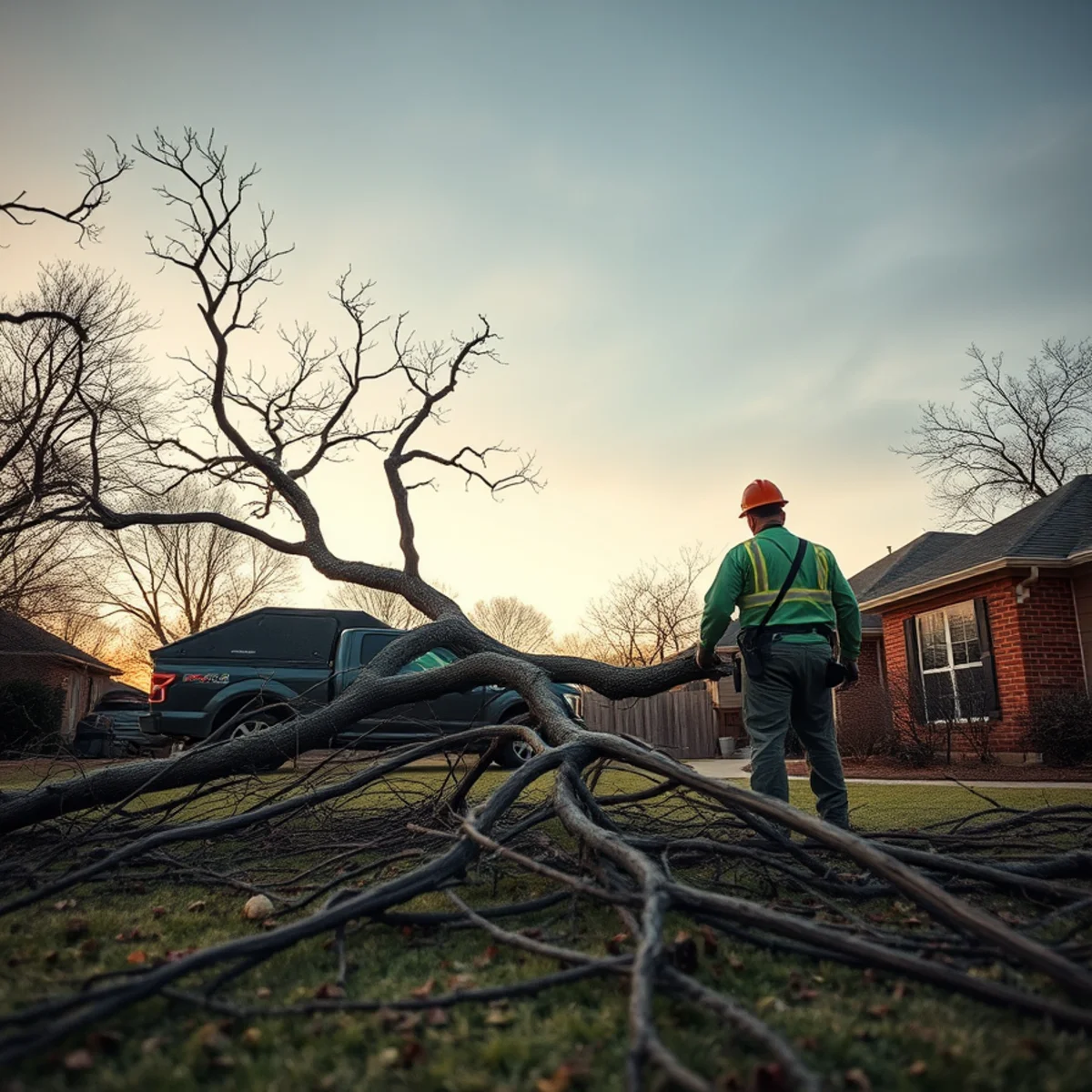
Call Sion Tree Service for storm damage cleanup done safely, affordably, and cleanly — with a free, no-obligation estimate.
Open daily 6 AM–7 PM · Serving Fort Worth & the DFW metroplex