Shrub Removal in Fort Worth, TX
Shrub Removal in Fort Worth is one of the fastest ways to give a tired yard a fresh start, and it's work the crew at Sion Tree Service handles every week across the DFW metroplex. Whether you're staring at an overgrown row of hollies swallowing your windows, a dead boxwood hedge that never bounced back after the February 2021 freeze, or a foundation bed crowded with shrubs planted too close decades ago, we take them out cleanly, pull the roots, and leave the bed ready for whatever comes next.
Shrub Removal in Fort Worth is one of the fastest ways to give a tired yard a fresh start, and it's work the crew at Sion Tree Service handles every week across the DFW metroplex. Whether you're staring at an overgrown row of hollies swallowing your windows, a dead boxwood hedge that never bounced back after the February 2021 freeze, or a foundation bed crowded with shrubs planted too close decades ago, we take them out cleanly, pull the roots, and leave the bed ready for whatever comes next.
Shrubs are tougher to remove than most homeowners expect. Years of growth in North Texas clay means dense, woody root balls that fight a shovel, and tangled hedges often hide fence lines, irrigation, and utilities. We bring the right equipment and trained hands to do it safely, protect what's staying, and haul every bit away. When we're done, the only sign we were there is an open, refreshed bed.
What's Included
- Free on-site assessment of every shrub, hedge, and bed to be cleared
- Cutting and dismantling of overgrown or dead shrubs and full hedge rows
- Excavation and removal of root balls so plants don't resprout
- Careful work around irrigation lines, fences, walkways, and foundations
- Hand-clearing of bed edges and removal of old landscape fabric or weed barrier when present
- Protection of nearby trees, turf, and plants you want to keep
- Full haul-away of all brush, stumps, roots, and green waste
- Final rake, blow-down, and bed cleanup so the area is ready to mulch or replant
- Cut-stump herbicide treatment on stubborn resprouters like ligustrum, privet, and nandina when full root excavation is not practical
- Compact track loader or skid-steer extraction for large, woody root balls and long hedge runs that exceed hand-digging
- Severing and rolling back old landscape-fabric, buried drip line, and decades of compacted mulch layers down to native soil
- Backfilling and tamping the open holes left by pulled root balls so the bed does not sink or heave in our expansive clay
- Optional renovation pruning or hard rejuvenation cutback when a hedge is worth saving instead of removing outright
When to Call for Shrub Removal
- A shrub or hedge has died back, gone half-bare, or never recovered from drought or freeze damage
- Foundation plantings have outgrown their space and are crowding windows, walkways, or the house itself
- You're redesigning a bed and need old shrubs and roots cleared before new landscaping goes in
- Overgrown hedges have become a hiding spot for pests or a blind corner along a driveway or walkway
- You're prepping a home for sale and want fast, dramatic curb appeal without a full landscape overhaul
- Birds keep reseeding nandina or ligustrum from a parent shrub into your beds, fence line, or a neighbor's yard
- A juniper or yaupon row has fused into a dense thicket too matted to thin and you want it gone to bare soil
- Shrub roots have lifted a walkway, cracked a bed border, or wedged into a sprinkler line or slab edge
- An HOA, buyer's inspection, or insurance walk-through flagged overgrown foundation plantings that must come out before a deadline
Why Shrub Removal Pays Off
Instant curb-appeal refresh
Clearing out overgrown or dead shrubs opens up sight lines, lets in light, and makes a house look cared-for again. It's often the single biggest visual improvement you can make to a front yard in an afternoon.
Roots gone, not just tops
We don't just cut shrubs to the ground and walk away. We dig and pull the root balls so they can't resprout, which is the difference between a real removal and a problem that grows back next spring.
Healthier, replantable beds
Removing crowded or diseased shrubs frees up soil, water, and nutrients for the plants you keep, and leaves the bed in shape to replant or mulch right away.
Fewer pests and hiding spots
Dense, neglected hedges harbor rodents, snakes, wasps, and mosquitoes against your foundation. Clearing them out cuts down on pests and removes cover near doors and windows.
Protected foundation and structures
Shrubs planted too close to the house push roots and moisture against the slab and trap humidity on siding. Pulling them back protects your foundation, walls, and any nearby fence.
Spotless cleanup, every time
We rake, blow, and haul away all brush, roots, and debris. You get a clean bed and a tidy yard, like we were never there, not a pile to deal with yourself.
How Our Shrub Removal Works
Free estimate
We walk the property with you, look at every shrub and hedge slated to go, check for irrigation and utilities, and give you a clear, written quote on the spot. No pressure and no obligation.
Schedule and prep
We lock in a time that works for you, often same-day or next-day, and set up to protect nearby plants, turf, and hardscape before any cutting starts.
Removal and root pull
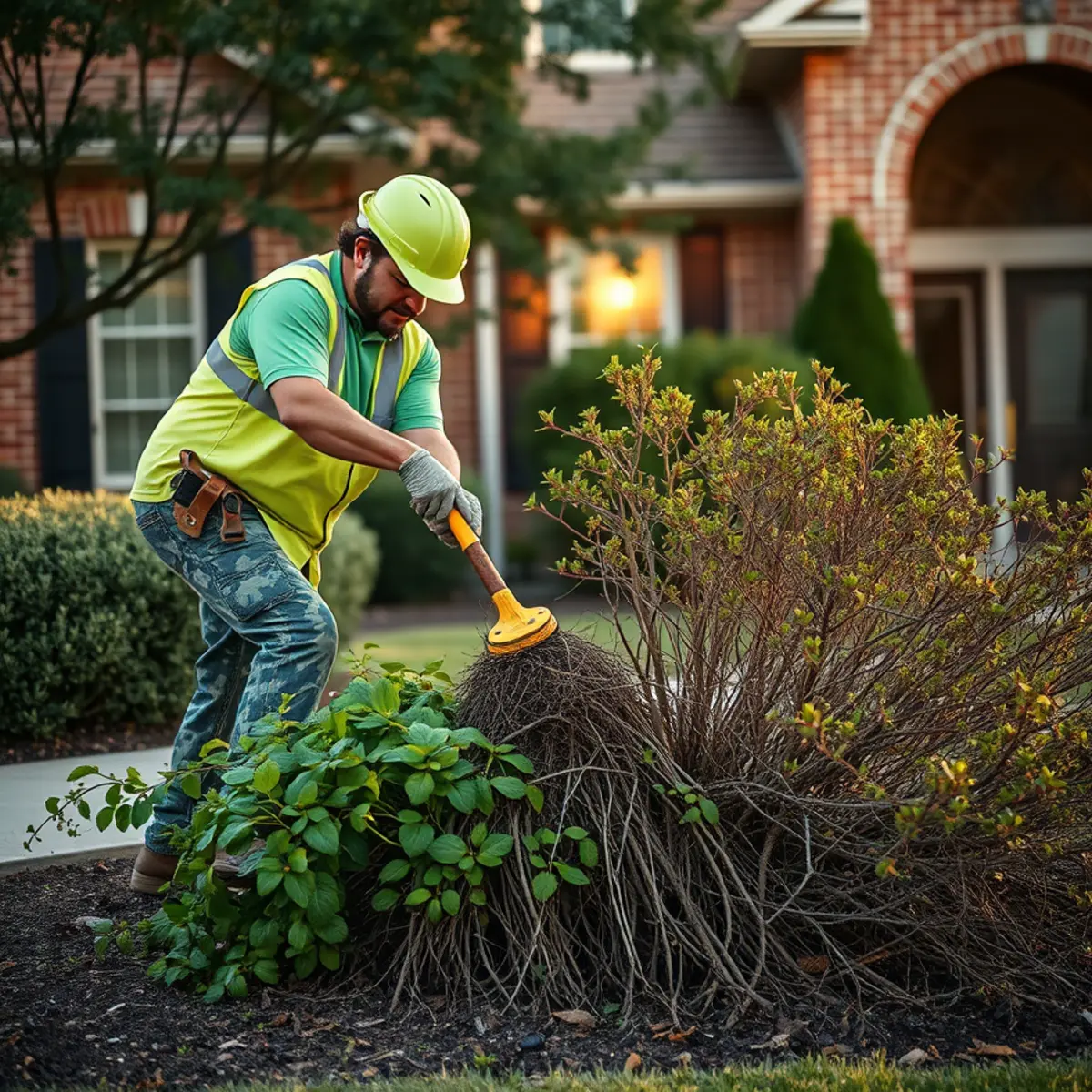
The crew cuts down and dismantles the shrubs, then excavates and removes the root balls so nothing resprouts, working carefully around lines, fences, and the foundation.
Cleanup and haul-away
We rake the bed, blow down the surrounding area, and haul off every bit of brush, root, and debris, leaving you an open, clean bed that's ready to mulch or replant.
What Drives Your Shrub Removal Cost in Fort Worth
The price of shrub removal depends on a handful of honest factors: how many shrubs or how long the hedge row is, the size and depth of the root balls, how dense the North Texas clay is around them, and how tight the access is near foundations, fences, or utilities. Old, established shrubs with large woody roots take more work than young plantings, and full root removal costs more than a simple top cut. We give free, on-site estimates with quoted-equals-final pricing, so the number we hand you is the number you pay.
Shrub count and hedge run length
A single foundation boxwood prices very differently from a forty-foot ligustrum hedge along a fence. Most crews quote per shrub for scattered plants and by the linear foot for continuous hedge rows.
Root-ball size and species toughness
Old junipers, hollies, and ligustrum build dense woody root masses that grip our clay and take real digging. Young or shallow-rooted shrubs pull far faster and cost less.
Removal method chosen
A simple top cut is the cheapest, full root excavation costs more, and cut-stump herbicide treatment on invasive resprouters adds a step. The method that actually prevents regrowth is worth the difference.
Access and proximity to structures
Shrubs tight against a slab, fence, or sprinkler manifold must come out by hand, which is slower than open beds a compact loader can reach. Tight side-yard gates and overhead lines also limit equipment.
Debris volume and haul-away
Pulled root balls and brush from a long hedge fill a trailer fast, and disposal is priced by load and local dump fees. The more green waste and soil that leaves the site, the higher this share of the job.
Bed restoration after removal
Backfilling and tamping voids, removing old fabric and edging, and re-mulching or replanting are add-ons beyond the bare pull. Bundling them into the same visit usually costs less than a separate trip.
The local details most companies skip — what every Fort Worth homeowner should understand about shrub removal before the work begins.
Removing Common North Texas Shrubs: Boxwood, Holly, Juniper, Nandina and Ligustrum
Not every shrub fights back the same way. Across Fort Worth beds we see the same handful of plants again and again, and each one calls for a different approach once you decide it has to go. Knowing the species before the crew arrives is half of pricing the job correctly and making sure it does not come back.
How the usual suspects behave when you pull them
- Boxwood and dwarf yaupon holly: shallow, fibrous root plates that lift fairly cleanly, which makes them good candidates for hard renovation pruning if the hedge is still healthy.
- Juniper (including spreading and upright forms): low, wide, matted root systems that grip our clay; dense old junipers are some of the most labor-intensive shrubs to extract.
- Nandina, or heavenly bamboo: spreads by underground rhizomes and reseeds from berries, so a few missed root pieces rebuild the colony within a season.
- Ligustrum and privet: stubborn resprouters that throw a thicket of new stems from any cut stump left in the ground, which is why a flush cut alone never finishes the job.
- Indian hawthorn and red-tip photinia: often planted as long foundation rows and frequently removed after fungal leaf spot hollows them out.
Because nandina and ligustrum are documented invasives in Texas that birds carry into greenbelts and neighbors' yards, we treat them as removal-first plants rather than candidates for reshaping. When the root ball is too large to dig, a cut-stump herbicide treatment carries down through the roots so the plant dies instead of multiplying.
Better replacements once the bed is clear
- Yaupon holly and dwarf yaupon for evergreen structure that actually belongs here
- Possumhaw holly for winter berries the birds can use without spreading invasively
- American beautyberry for fast, drought-tolerant fill in part shade
- Texas sage or cenizo for a tough, low-water hedge in full sun
Hedge Reshaping vs. Full Shrub Removal in Fort Worth, and How We Stop Regrowth
The cheapest job is not always removal, and the most expensive mistake is paying to cut a shrub that grows right back. Before we quote a teardown, we look at whether the hedge is worth saving and, if it has to go, exactly how we will keep it from returning.
When reshaping or renovation pruning makes more sense
- The hedge is a healthy boxwood, holly, or photinia that is simply overgrown, not diseased or dead
- You want to keep an evergreen screen along a fence or property line and the plants still have live wood low on the stem
- The shrubs are not on the invasive list, so encouraging regrowth is actually the goal
- Budget matters and a hard cutback buys several more years before any removal is needed
When full removal is the honest call
- The shrub is invasive (nandina, ligustrum, privet) and reshaping only makes the thicket denser
- Disease, freeze dieback, or drought has hollowed the plant so it will never refill
- Roots are crowding a slab, sprinkler line, walkway, or another plant you care about more
- You are redesigning the bed and want a clean slate down to bare, workable soil
Our resprout strategy is species-specific: pull the full root ball wherever access allows, switch to a compact track loader or skid-steer for big woody masses and long runs, and use cut-stump treatment on tough resprouters when digging would tear up the bed. We then backfill and tamp every void, which matters in expansive clay because open holes collapse and pond water after the first North Texas downpour. The result is a level, finished bed, not a field of craters and root stubs waiting to sucker.
Hiring Shrub Removal Safely in Fort Worth: Insurance, HOA Rules and Avoiding Bad Actors
Shrub removal looks simple from the curb, which is exactly why it attracts unlicensed crews who flush-cut, skip the roots, and leave you with regrowth and a torn-up bed. A little homeowner due diligence protects your foundation, your irrigation, and your wallet.
How to vet any shrub or hedge contractor
- Ask for a current certificate of insurance with general liability and confirm it is active before anyone digs near your slab or sprinkler manifold.
- Confirm the crew is licensed and insured rather than a day-labor outfit that disappears if a drip line or fence is damaged.
- Get the scope in writing: whether roots come out, whether stumps are ground or treated, and whether haul-away and bed restoration are included.
- Be wary of a price that seems too low to include root removal, disposal fees, and backfill, because those costs do not vanish; they just show up later as regrowth or a sunken bed.
Local rules and timing worth knowing
- Fort Worth's tree ordinance targets protected trees by trunk size, so ordinary shrubs and hedges generally fall outside permit requirements, but always verify HOA and historic-district covenants in areas like Fairmount, Mistletoe Heights, and Ryan Place.
- Check shrubs for active bird nests in spring before removal, since hollies and dense hedges are favorite nesting spots and disturbing an occupied nest can be a problem.
- Pulling shrubs in the brutal July and August heat stresses the plants you keep, so water remaining beds deeply right after a removal to help them recover.
- Know where your irrigation shutoff and controller are before work starts; it is the single fastest way to limit damage if a buried line is nicked.
Sion Tree Service is locally owned and operated here in Fort Worth, licensed and insured, with trained crews who pull roots properly and clean up as if we were never there. We give a written, quoted-equals-final estimate so the number you approve is the number you pay, with no surprise charges once the roots are out and the trailer is loaded.
Smart Homeowner Tips Before You Hire Anyone
A few habits that protect your wallet, your property, and your insurance claim — whether you hire us or not.
Ask any shrub-removal contractor for a current certificate of insurance naming general liability before they dig near your foundation or sprinkler lines.
Replace invasive nandina and ligustrum with native yaupon holly, possumhaw, or beautyberry so the birds stop reseeding the problem.
Insist that woody resprouters like privet and nandina come out roots-and-all, because a flush cut only multiplies the stems next spring.
Locate your irrigation controller and main shutoff before the crew arrives so any nicked drip line can be capped on the spot.
Have the crew tamp and backfill every pulled root hole, since open voids in DFW clay collapse and pond water after the first heavy rain.
Get the resprout-prevention plan in writing for junipers and hedges, not just a promise to cut them down to the ground.
Shrub Removal Across Fort Worth & DFW
Serving Fort Worth and the surrounding Dallas–Fort Worth metroplex, seven days a week.
Fort Worth neighborhoods we work in often:
Trusted by Local Homeowners
“Sion Tree Service did an outstanding job trimming the trees at my home. The crew of 6 came in and quickly removed all the dead limbs and trees that needed to come out. Their cleanup was amazing! Highly recommend them!”
“Very fast work, arrived right on time, workers very professional and cleaned up before leaving. The price was what was quoted. I'd recommend them to anyone needing tree trimming. I'll be using them again!”
“Great communication and super responsive. Squeezed me in the next day and did an awesome job removing and grinding a large tree that had fallen in a storm. Have used them twice with great service both times.”
Shrub Removal FAQs
We remove the root balls, not just the tops. Cutting a shrub to the ground usually leads to resprouting within a season, so we dig and pull the roots to make the removal permanent. If you'd prefer a lower-cost top cut for any reason, we can talk through that during the free estimate.
Yes. We handle everything from a single overgrown boxwood to full hedge rows of hollies, ligustrum, or photinia along a fence or property line. We'll give you one clear quote for the whole job, roots and cleanup included.
No, done right it protects your foundation rather than harming it. Our crew works carefully by hand around slabs, irrigation, and utilities, and shrubs planted too close to a house actually push moisture and roots against the foundation, so removing them is usually a benefit. We always check for lines before we dig.
Always. Spotless clean-up is a core part of how we work, so we rake the bed, blow down the area, and haul off all brush, roots, and debris. You're left with an open, tidy bed, not a pile to deal with yourself.
We leave the bed fully cleared and ready to replant or mulch, and we offer landscaping services as well, so we can talk about a refresh during your estimate. Many homeowners have us pull the old shrubs and re-mulch in the same visit for a clean, finished look.
Fort Worth's tree-preservation rules are aimed at protected trees above a certain trunk size, not ordinary landscape shrubs, so routine shrub and hedge removal on a residential lot typically needs no city permit. If you live under an HOA or in a historic district like Fairmount or Mistletoe Heights, check your covenants first, since some require approval to change street-facing landscaping. We can talk through what we are seeing on site, but you should always confirm HOA rules yourself before we dig.
They will if any live root or crown is left behind, because privet and nandina both resprout aggressively from cut stumps and root fragments. We pull the root ball whenever access allows, and on large established stems we can apply a cut-stump herbicide treatment so the roots die instead of throwing up a thicket of new shoots. For these species we strongly recommend full removal over reshaping, since trimming only encourages denser regrowth.
It depends on the species and how far gone it is. A healthy boxwood or holly hedge that is simply too tall can often be saved with a hard renovation cutback rather than removal, while a half-dead, hollowed-out, or invasive hedge is usually cheaper to take out than to keep nursing. We will give you an honest read during the free estimate instead of removing something that could be rescued.
We hand-probe the bed and trace visible heads before any digging, and near foundations and irrigation mainlines we excavate by hand instead of forcing equipment through. North Texas beds often hide shallow poly drip line buried under old mulch, so we work slowly along the slab edge and cap or flag anything we expose. Knowing where your controller and shutoff are before we start helps us protect the system.
We backfill the holes left by the root balls and tamp them so the bed does not settle or pond water after the next storm, which matters in our shrink-swell clay. We rake the bed level, haul off the roots and debris, and leave it ready to mulch or replant the same day if you choose. We do not leave open craters or loose root piles behind.
Related Tree & Yard Services
Ready for Shrub Removal in Fort Worth?
Call Sion Tree Service for shrub removal done safely, affordably, and cleanly — with a free, no-obligation estimate.
Open daily 6 AM–7 PM · Serving Fort Worth & the DFW metroplex